


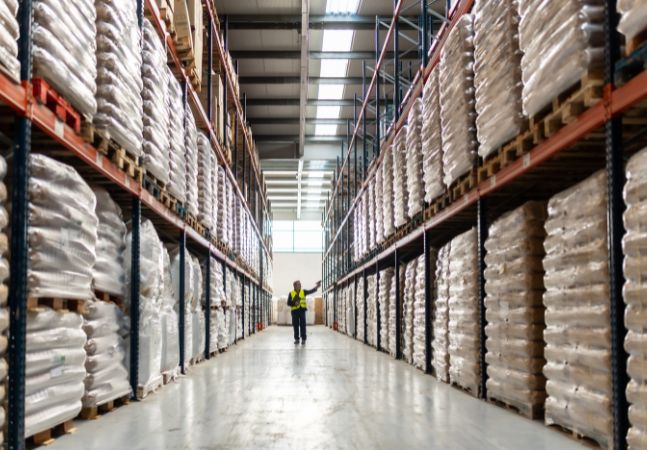
The Hidden Environmental Costs of Modern Fulfillment Centers
Explore how the hidden environmental impact of energy use, packaging waste and logistics is reshaping the future of modern warehouse operations.
Modern fulfillment centers are the backbone of fast delivery systems. Customers expect quick shipping, same-day delivery and accurate order handling. Behind this speed lies a complex system of warehouses, transportation networks and packaging processes.
While these centers improve efficiency, they also create environmental pressure that often goes unnoticed. Many companies focus on productivity and output, but the environmental cost of these operations continues to grow quietly.
From energy consumption to packaging waste, fulfillment centers carry hidden environmental risks that organizations must address. Understanding these risks helps businesses move toward more responsible operations without slowing down performance.
Energy Consumption That Never Stops
Fulfillment centers operate 24 hours a day in many cases. Lighting systems, conveyor belts, automated picking machines and climate control systems run continuously.
Large facilities consume massive amounts of electricity to keep operations moving. Heating and cooling systems alone can account for a major portion of this energy use, especially in extreme weather conditions.
Over time, this constant demand increases carbon emissions and puts pressure on local energy resources.
What This Really Means: Continuous operations can quietly increase a company’s environmental footprint if energy use is not carefully managed.
Packaging Waste Beyond Expectations
Packaging plays a key role in protecting products during delivery. However, excessive packaging has become a major environmental concern in fulfillment operations.
Many shipments include oversized boxes, plastic fillers and multiple layers of wrapping. These materials often end up as waste shortly after delivery. Even when recyclable materials are used, not all consumers dispose of them properly. This leads to growing landfill waste and environmental pollution.
What This Really Means: Small packaging decisions at scale can create massive waste problems across entire supply chains.
Transportation Emissions Add Up Quickly
Fulfillment centers depend on the constant movement of goods. Trucks, vans and delivery vehicles operate daily to move products between warehouses and customers. Frequent deliveries increase fuel consumption and contribute to air pollution. Urban areas feel this impact more due to traffic congestion and repeated delivery routes.
Even short-distance deliveries, when multiplied thousands of times, create significant environmental pressure.
What This Really Means: Faster delivery expectations often come with higher environmental costs that are not immediately visible.
Water Usage in Daily Operations
Water use in fulfillment centers is often overlooked. Facilities require water for cleaning, maintenance and sometimes cooling systems.
Large warehouses also need water for sanitation and employee facilities. Over time, this usage can become significant, especially in regions facing water shortages. Leaks or inefficient systems can increase water waste without being noticed.
What This Really Means: Water consumption may seem minor, but it becomes a serious issue when multiplied across large facilities.
Inventory Waste and Product Returns
Returned products create another hidden environmental challenge. Many items that are returned cannot be restocked or resold.
These products may end up in landfills or require additional transportation for disposal or recycling. This adds both waste and emissions to the system. Overproduction also contributes to inventory waste when items remain unsold and eventually get discarded.
What This Really Means: Returns and unsold inventory increase both environmental waste and operational inefficiency.
Land Use and Environmental Impact
Building large fulfillment centers requires significant land. These facilities are often developed on previously undeveloped land or agricultural areas. Construction activities can disturb natural habitats and reduce green spaces. Over time, this affects local ecosystems and biodiversity.
The expansion of warehouse networks increases pressure on land resources in growing urban and suburban areas.
What This Really Means: Expanding warehouse infrastructure can affect ecosystems and reduce the natural environmental balance.
The Overlooked Role of Fulfillment Design
Many environmental issues begin at the design stage of fulfillment centers. Layout decisions, material choices and system planning all influence environmental impact.
Poor design can lead to inefficient movement of goods, higher energy use and increased waste. On the other hand, smart design choices can reduce these risks. Companies are now adopting sustainable fulfillment practices that focus on energy efficiency, waste reduction and better resource management.
What This Really Means: Early planning decisions often define long-term environmental performance.
Operational Habits That Increase Environmental Risk
Daily routines inside fulfillment centers also affect environmental outcomes. Small actions such as leaving equipment running, improper waste handling or inefficient loading practices can increase resource use.
When these habits repeat across shifts and teams, their impact grows significantly. Workers may not always realize how their actions contribute to environmental problems.
What This Really Means: Everyday behavior inside warehouses can shape the overall environmental impact of operations.
Moving Toward More Responsible Fulfillment
Organizations can reduce environmental costs by taking practical steps. Energy-efficient lighting, better packaging strategies and optimized delivery routes can lower impact.
Training employees on environmental awareness also plays a key role. When workers understand the impact of their actions, they become more responsible in their daily tasks.
Technology can also support better monitoring of energy use, waste generation, and resource consumption.
Improvement does not require a complete system overhaul. Even small changes can create meaningful results over time.
Conclusion
Fulfillment centers support modern supply chains, but they also carry hidden environmental costs that cannot be ignored. Energy use, packaging waste, transportation emissions and operational habits all contribute to this growing challenge.
Many of these issues remain unnoticed because they develop slowly over time. However, their long-term impact on the environment is significant. By recognizing these hidden risks, organizations can take steps toward more responsible operations. A balanced approach that supports both efficiency and environmental awareness will define the future of fulfillment systems.
Understanding the full picture allows businesses to move forward with smarter, more sustainable strategies that benefit both operations and the environment.
About the Author
Daniyal is an industry writer focused on occupational health, safety, and environmental topics. He writes practical and research-based articles that help safety professionals understand workplace risks, compliance challenges, and industry trends. His work covers construction safety, OSHA regulations, environmental liability, and worker protection strategies.
