


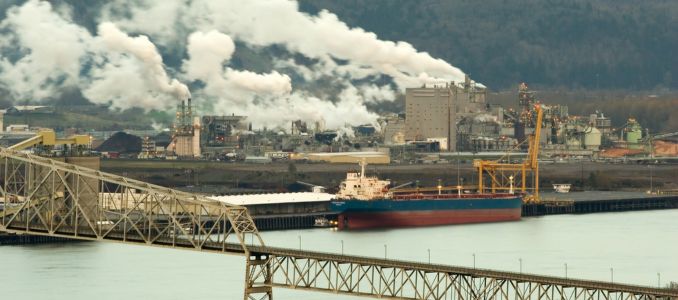
Deadly Chemical Tank Rupture at Washington Paper Mill Spills 500,000 Gallons of Corrosive Liquid
A chemical tank rupture in Longview spilled 500,000 gallons of corrosive liquid, marking one of the nation’s deadliest workplace disasters in years.
Eleven people are presumed dead and eight others remain injured following a chemical tank rupture at a southwestern Washington pulp and paper mill, authorities reported Wednesday.
The death toll rose to 11 after a second hospitalized victim succumbed to injuries. Emergency officials stated there is no longer hope of finding survivors among the nine workers who remain missing inside the debris of the Nippon Dynawave Packaging Co. facility. According to report details from the Associated Press, the disaster ranks as one of the deadliest industrial accidents in the United States in recent decades.
The incident occurred when a 900,000-gallon circular tank buckled and failed, releasing more than 500,000 gallons of “white liquor.” The highly corrosive chemical mixture of sodium hydroxide and sodium sulfide is utilized at high heat to dissolve wood fibers for manufacturing packaging products.
AP reported that first responders initially paused search-and-rescue operations due to fears that the compromised tank might completely collapse or leak further toxic fluids. Crews resumed search efforts during daylight hours Wednesday after structural engineers determined the remaining hull was stable enough for entry.
The AP coverage further stated the force of the rupture caused severe trauma, chemical burns and inhalation injuries among those near the site. One responding firefighter was treated at a local hospital and subsequently released.
Environmental officials confirmed that some of the spilled chemical mixture entered local drainage ditches and reached the nearby Columbia River. Testing remains ongoing, though municipal authorities noted the air and drinking water quality for the city of 40,000 residents has not been compromised. Residents have been warned to avoid nearby dikes and waterways.
The cause of the structural failure is currently unknown. The media outlet included how state labor and industry records indicate the facility faced separate health and safety complaints earlier this year, though regulators noted those inquiries were unrelated to the specific tank involved in the rupture.
About the Author
Jesse Jacobs is assistant editor of OHSOnline.com.
