


NEWYou can now listen to Fox News articles!
The leading causes of death have changed dramatically since America’s founding 250 years ago, highlighting how far medicine has come.
Diseases that once devastated communities have largely given way to chronic conditions, data shows, reflecting centuries of breakthroughs in public health, prevention and treatment.
“The amount of changes that have happened over the past 250 years are immeasurable when it comes to life expectancy and disease,” Kenneth J. Perry, M.D., an emergency physician in Charleston, South Carolina, told Fox News Digital.
5 OF AMERICA’S GREATEST MEDICAL BREAKTHROUGHS REVEALED AS THE NATION MARKS 250 YEARS
“Our life expectancy as a country increased from roughly 30 years at the time of the country’s founding to close to 80 years today.”
Check out the following details.
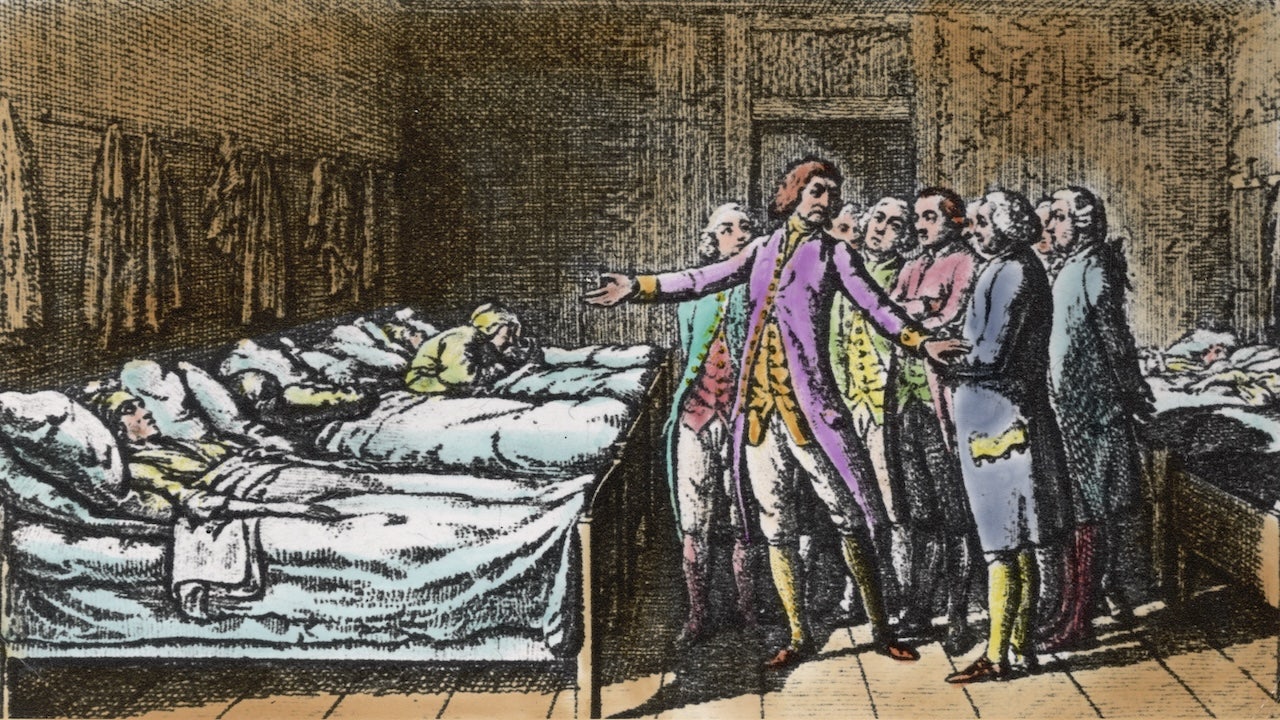
An illustration of an 18th century hospital. The leading causes of death have changed dramatically since America’s founding 250 years ago. (Hulton Archive/Getty Images)
What killed Americans in 1776?
Although there were no official national mortality records in 1776, historians agree that the following illnesses were responsible for the largest number of deaths.
- Smallpox: This viral disease, which causes fever and a blistering rash, had about a 30% fatality rate before the first vaccine became available in 1796. Historians estimate the North American epidemic killed at least 100,000 to 130,000 people over several years.
- Tuberculosis: Also known as consumption, this bacterial infection primarily attacks the lungs. It was one of the leading chronic causes of adult death in the colonies, according to the National Library of Medicine (NLM).
- Pneumonia: A lung infection that fills air sacs with fluid or pus, pneumonia was frequently fatal in 1776 because no antibiotics or effective treatments existed, per the National Institutes of Health (NIH).
- Dysentery and diarrheal diseases: Intestinal infections, which caused severe diarrhea and dehydration, were common in 1776 because of poor sanitation and contaminated food and water, especially in military camps, per NIH and NLM.
- Malaria: This mosquito-borne parasitic disease causes recurrent fever and chills. It was endemic throughout much of the Southern colonies, the CDC states.
- Yellow fever: A mosquito-borne viral disease, yellow fever can cause liver failure and bleeding. Periodic epidemics struck colonial port cities in the late 1700s, NLM records show.
- Typhoid fever: This bacterial infection spreads through contaminated food and water. Recurring outbreaks were common in places where sanitation was poor, historians confirm.
- Childbirth complications: Maternal deaths from hemorrhage, infection or obstructed labor were common in 1776. This was a major cause of death among women of childbearing age, the NLM states.
- Wound infections: In colonial times, cuts or injuries often led to bacterial infections. These could prove fatal because antisepsis therapies, germ theory and antibiotics did not yet exist.
- Infant mortality: It was extremely common for children to die before age 1, with roughly 10% to 30% of infants not living to their first birthday in many colonial communities, historical records show.
These conditions had much higher fatality rates in 1776 because Americans had no antibiotics, few vaccines, no understanding of germ theory, no sterile surgical techniques and limited access to hospitals, experts note.

Yellow fever epidemic in Philadelphia, 1793. Carriages rumbled through the streets to pick up the dying and the dead. (Getty Images)
There was also a lack of safe drinking water, modern sewage systems and refrigeration — making it more likely for foodborne and waterborne illnesses to spread.
Patients also did not yet have access to blood transfusions, anesthesia and other lifesaving medical advances, according to the CDC, NLM and NIH.
Common causes of death in the 1900s
The first official national mortality statistics were published by the U.S. Census Bureau in 1900.
The data points to the following leading causes of death in the 1900s.
- Influenza & pneumonia: Viral flu and bacterial/viral lung infections were responsible for about 40,000 to 65,000 deaths per year during the period between 1900 and 1910, according to the CDC’s National Center for Health Statistics (NCHS).
- Tuberculosis: The bacteria lung infection claimed about 35,000 to 40,000 lives per year during that same time frame, per the above source.
- Diarrhea/enteritis: Intestinal infections causing severe dehydration led to approximately 25,000 to 35,000 annual deaths between 1900 and 1910.
- Heart disease: Diseases affecting the heart and circulatory system killed between 27,000 and 40,000 Americans per year in this time frame, according to NCHS.
- Stroke: Strokes, which interrupt the flow of blood to the brain, took between 20,000 and 30,000 lives annually.
- Kidney disease: Diseases that impair kidney function (also called nephritis), killed between 17,000 and 25,000 people in the U.S. each year, data shows.
- Accidents: Between 15,000 and 22,000 Americans died each year from unintentional injuries at work, home and in transportation, per NCHS.
- Cancer: Various types of cancer, in which malignant tumors invade surrounding tissues, contributed to between 13,000 and 20,000 deaths annually in this time frame.
- Senility: This was a historical diagnosis for deaths attributed to old age in the early 1900s. It was listed as the cause of death for about 12,000 to 18,000 people per year.
- Diphtheria: The bacterial throat infection, which can block the airway, led to 8,000 to 12,000 deaths per year, mortality data highlights.
Nearly one-third of all deaths were caused by pneumonia, tuberculosis and diarrheal diseases, and about 30% of all deaths occurred in children younger than age 5, records show.
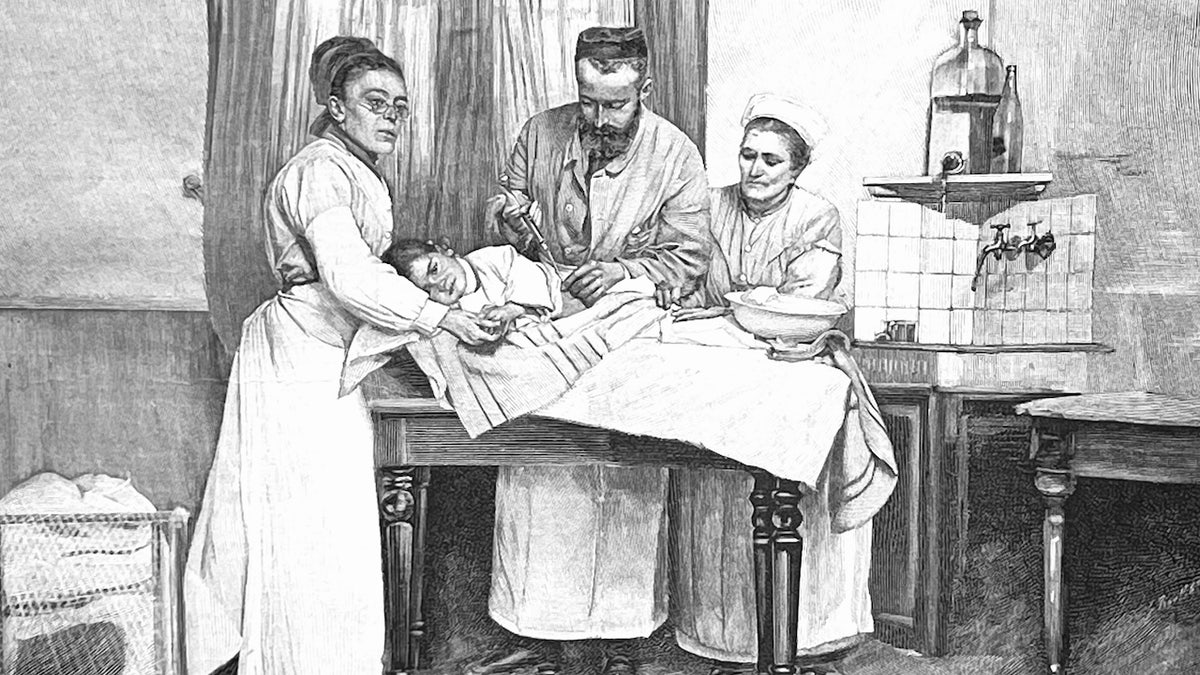
A diphtheria vaccination is administered in the 1900s in this illustration. (Getty Images)
Medical breakthroughs that transformed survival
The introduction of vaccines dramatically reduced certain diseases, including smallpox, polio, diphtheria, measles and whooping cough.
In 1980, smallpox became the first human disease ever eradicated worldwide.

The introduction of vaccines dramatically reduced certain diseases, including smallpox, polio, diphtheria, measles and whooping cough. (iStock)
Improvements in clean water and sanitation also contributed to greater longevity, as cities built sewage systems, water treatment plants and indoor plumbing, according to the CDC. As a result, deaths from cholera, dysentery and typhoid fever fell dramatically.
Germ theory also emerged in the late 1800s, in which scientists discovered that germs caused disease. This led to vast transformations in surgery, childbirth, handwashing, sterilization and infection control, per NIH and the Science History Institute.
In the 1940s, the widespread use of penicillin allowed for the treatment of diseases that were once fatal.
Routine screening has enabled earlier detection of breast, cervical and colorectal cancers, while improvements in surgery, radiation therapy, chemotherapy, targeted therapies and immunotherapy have helped many patients live longer.
A recent analysis by the National Cancer Institute found that prevention and screening accounted for about 80% of the cancer deaths averted over the past 45 years for five major cancer types.
TEST YOURSELF WITH OUR LATEST LIFESTYLE QUIZ
In the 1940s, the widespread use of penicillin allowed for the treatment of diseases that were once fatal, including pneumonia, strep infections, wound infections and sepsis.
Advances in childbirth — including prenatal care, Cesarean sections, blood transfusions, antibiotics and neonatal intensive care — also dramatically improved maternal and infant survival compared with colonial America.

The use of CPR, defibrillators, coronary care units, bypass surgery, stents, statins and blood pressure medications helped to reduce cardiovascular deaths. (iStock)
The mid-20th century also ushered in improvements in heart disease treatments. The use of CPR, defibrillators, coronary care units, bypass surgery, stents, statins and blood pressure medications helped to reduce cardiovascular deaths, according to the American Heart Association.
What’s killing Americans today?
In a vast contrast to 1776, chronic diseases now account for most American deaths, because people generally live long enough to develop them.
CLICK HERE TO SIGN UP FOR OUR HEALTH NEWSLETTER
Current U.S. health data indicates that the following conditions are now the leading causes of death.
- Heart disease: Disorders affecting the heart and blood vessels, including coronary artery disease and heart attacks, killed more than 638,000 Americans in 2024, according to NCHS data.
- Cancer: Approximately 619,876 people died of cancer in the U.S. in 2024.
- Unintentional injuries: Accidental deaths, including drug overdoses, motor vehicle crashes and falls, were the causes of more than 197,440 deaths that same year, records show.
- Stroke: Interruption of blood flow to the brain, which causes brain damage, claimed 166,852 American lives in 2024, per NCHS.
- Chronic lower respiratory disease: Long-term lung diseases — such as COPD, emphysema and chronic bronchitis — killed 145,643 people in the U.S. that year.
- Alzheimer’s disease: The most common type of dementia, which destroys memory and cognitive function, was responsible for 116,022 deaths in 2024, NCHS data shows.
- Diabetes: The chronic disease, which impairs the body’s ability to properly regulate blood sugar, contributed to 94,445 deaths that year.
- Kidney disease: Diseases that damage the kidneys and impair their ability to filter blood were blamed for 55,081 deaths in 2024.
- Chronic liver disease/cirrhosis: Progressive liver damage caused by conditions such as hepatitis, alcohol misuse or fatty liver disease were responsible for 52,274 deaths that year, per NCHS.
- Suicide: Death caused by intentional self-harm claimed 48,824 lives in 2024. (If you or someone you know is having thoughts of suicide, please contact the National Suicide Prevention Lifeline at 1-800-273-TALK (8255).)
CLICK HERE FOR MORE HEALTH STORIES
“The transformation of deaths in the last 250 years, largely from infectious diseases to currently chronic debilitating diseases, represents both success and new challenges Americans will have to face,” Dr. Omer Awan, a physician and professor at the University of Maryland School of Medicine, told Fox News Digital.

“The chronic disease epidemic has been fueled by a lack of exercise, as well as by diets rich in fats, salts and ultraprocessed foods,” a doctor told Fox News Digital. (iStock)
The uptick in chronic diseases is driven not only by an increasingly aging population, but by people’s lifestyle behaviors, according to the doctor.
“The chronic disease epidemic has been fueled by lack of exercise, as well as diets rich in fats, salts and ultraprocessed foods,” he told Fox News Digital. “This has also led to the rise of obesity, which contributes to many of the chronic medical conditions that are among the top killers for Americans in the modern era.”
CLICK HERE TO DOWNLOAD THE FOX NEWS APP
Public health advances can change the course of health for millions of Americans, Awan said.
“Just as vaccines and antibiotics prolonged life centuries ago, so can lifestyle changes, exercise and new therapies that target obesity — like GLP-1 drugs and medications that promote better metabolic health.”
