


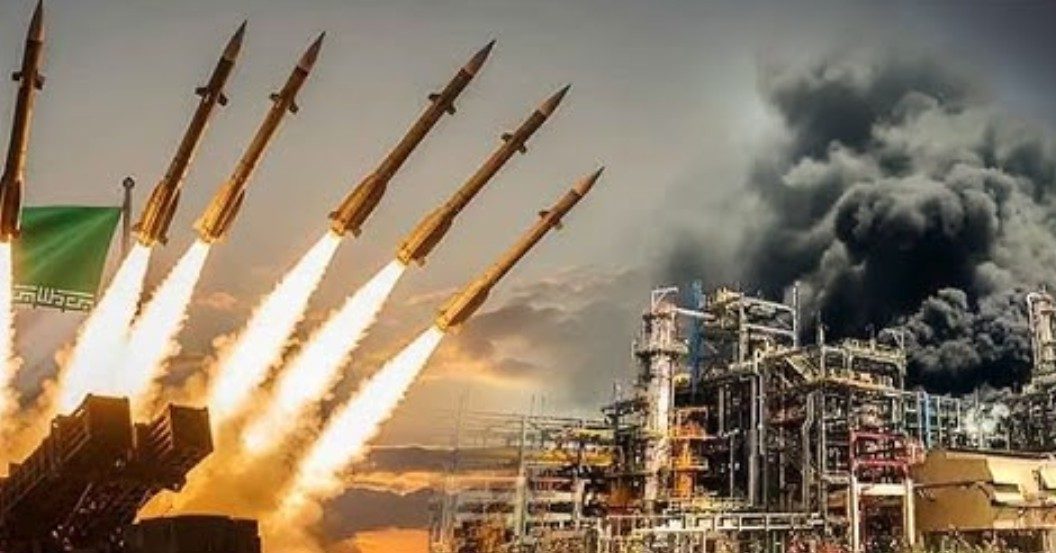
KUWAIT CITY/WASHINGTON – Tensions between US and Iran escalated sharply amid fresh military strikes, retaliatory actions, and heightened air defense activity across parts of the Gulf region.
US forces conducted new strikes targeting an Iranian military site that Washington believed posed a threat to American forces and commercial shipping in the Strait of Hormuz. The operation comes amid already heightened friction in the region over maritime security.
Iranian state media said strike occurred near Bandar Abbas port. Iranian sources said there were no reported casualties or significant damage resulting from the incident.
In response to rising regional security concerns, Kuwait activated its air defense systems on Thursday after what it described as “hostile missile and drone threats.” Kuwaiti armed forces did not specify the origin of the threats but said any explosions heard were due to air defense systems intercepting incoming projectiles.
Iran’s Islamic Revolutionary Guard Corps (IRGC) later said it had carried out a retaliatory strike on a U.S. air base following the reported American attack near Bandar Abbas airport. The IRGC warned that any repetition of such actions would prompt a stronger response.
US Treasury Department announced new sanctions targeting Iran’s Persian Gulf Strait Authority, the agency responsible for regulating maritime traffic through the Strait of Hormuz and collecting transit fees. The department warned that entities cooperating with the authority could face sanctions exposure due to alleged links to Iran’s Islamic Revolutionary Guard Corps.
The developments had an immediate impact on global energy markets, with oil prices rising more than 3%, including gains in both Brent crude and West Texas Intermediate futures.
US launches fresh strikes in Iran despite ceasefire amid diplomatic efforts
