


TEHRAN – The United States and Iran traded fresh military actions as tensions in the region continued to escalate, while Pakistan hosted Iran’s interior minister for talks focused on preventing further deterioration of the crisis.
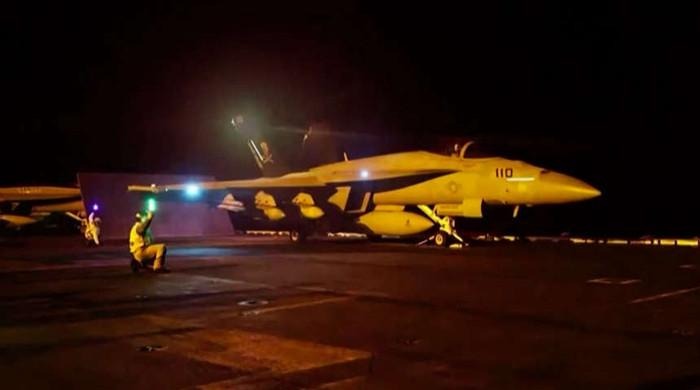
The U.S. Central Command (CENTCOM) said it carried out another round of strikes against Iran at 9 p.m. ET on July 20. According to CENTCOM, the operation targeted Iranian military command centers, missile and drone launch sites, maritime capabilities and air defense systems in an effort to reduce Iran’s ability to attack commercial shipping passing through the Strait of Hormuz.
CENTCOM also said commercial traffic through the strategic waterway remains active, adding that since early May, U.S. forces have facilitated the transit of around 900 commercial vessels carrying approximately 450 million barrels of crude oil. The command stated that American forces remain prepared to respond to what it described as threats against civilian maritime traffic.
Meanwhile, Iran’s military claimed it had launched surface-to-surface missiles at U.S. HIMARS missile systems stationed at Camp Arifjan in Kuwait. According to Iran’s Tasnim News Agency, the strike was carried out on Monday. There was no immediate confirmation or denial of the claim from U.S. or Kuwaiti authorities.
Separately, Iran’s Fars News Agency reported that a Greek oil tanker was hit in waters off southern Iran in an unidentified attack, leaving the vessel stranded at sea. The agency also said another tanker previously struck by an unidentified projectile in the Strait of Hormuz had been identified as a Kuwaiti vessel.
Amid the rising tensions, Iranian Interior Minister Eskandar Momeni arrived in Islamabad for high-level meetings aimed at addressing the worsening regional security situation. He was received by Pakistan’s Interior Minister Mohsin Naqvi and is scheduled to meet Prime Minister Shehbaz Sharif and Chief of Army Staff Field Marshal Syed Asim Munir.
According to officials, the talks will focus on bilateral cooperation, border security, the evolving regional situation and continued diplomatic coordination. Momeni is also expected to consult Pakistani officials who were involved in mediation efforts that helped secure a temporary ceasefire between Iran and the United States before that agreement later collapsed.
The visit comes as military tensions continue to rise across the Middle East. The United States has expanded operations inside Iran, while Tehran has responded with retaliatory actions across the region. The Islamic Revolutionary Guard Corps (IRGC) has claimed responsibility for strikes on sites in Bahrain, Jordan and Syria, although Bahraini authorities have accused Iran of targeting the kingdom’s air navigation infrastructure.
