


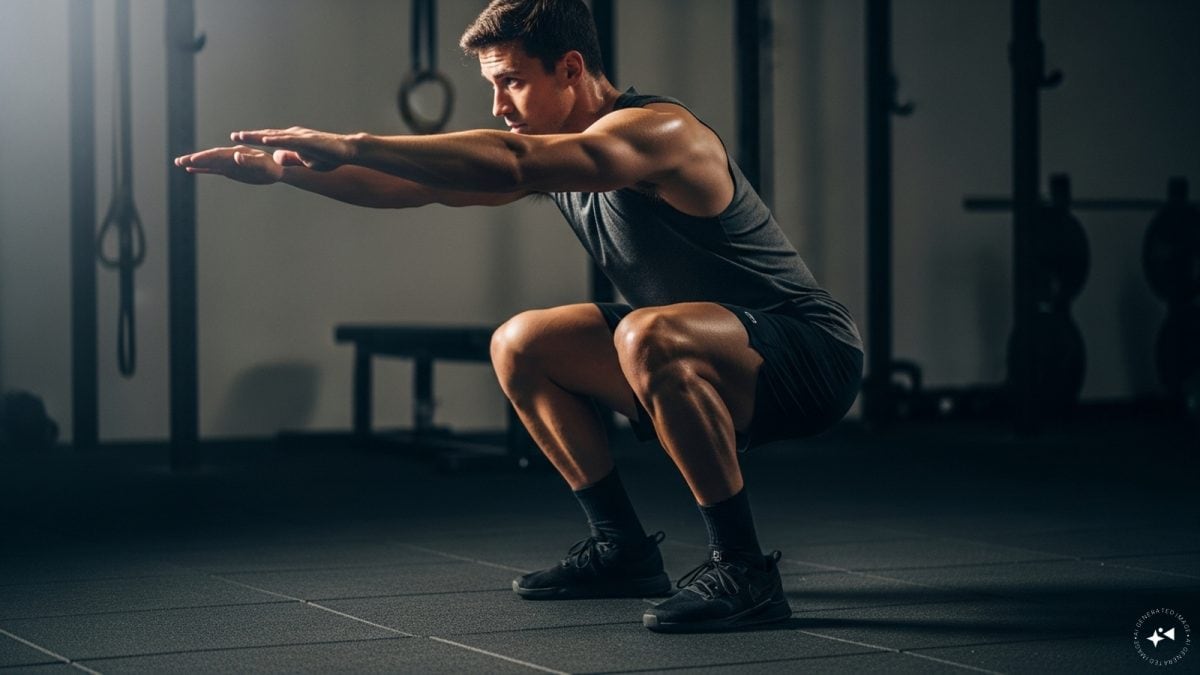
The new year always brings a wave of resolutions, and fitness often tops the list. In 2026, experts emphasize that the most effective way to begin is not through extreme workouts or costly gym memberships, but by building a consistent, enjoyable routine at home. For beginners, this means simple exercises that improve strength, flexibility, and endurance while laying the foundation for long-term health.
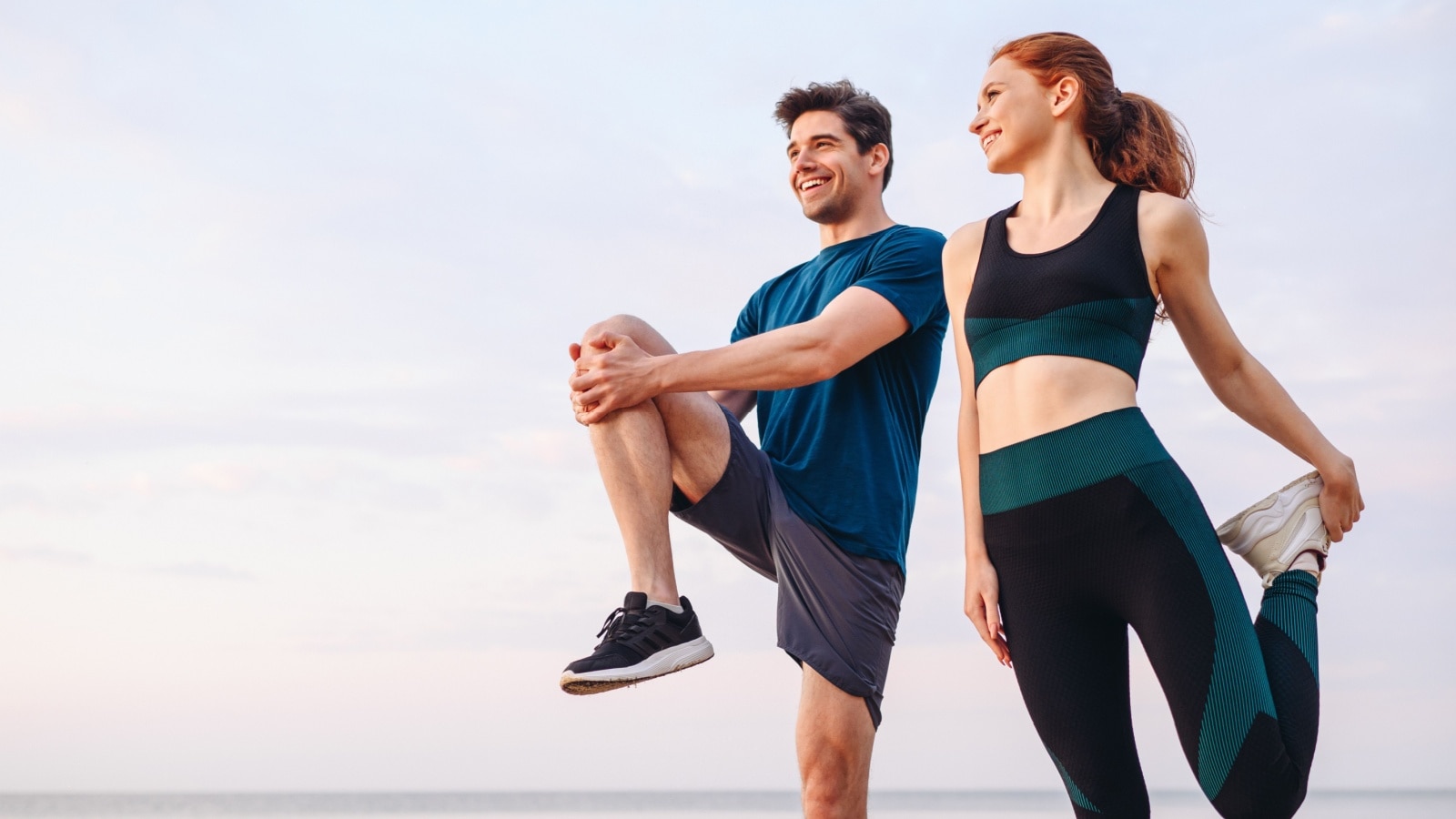
Home workouts are accessible, affordable, and adaptable. They eliminate the intimidation of crowded gyms and allow you to exercise at your own pace. With wearable technology and mobile apps becoming mainstream in 2026, tracking progress has never been easier. More importantly, home routines encourage consistency, which is the key to lasting results.
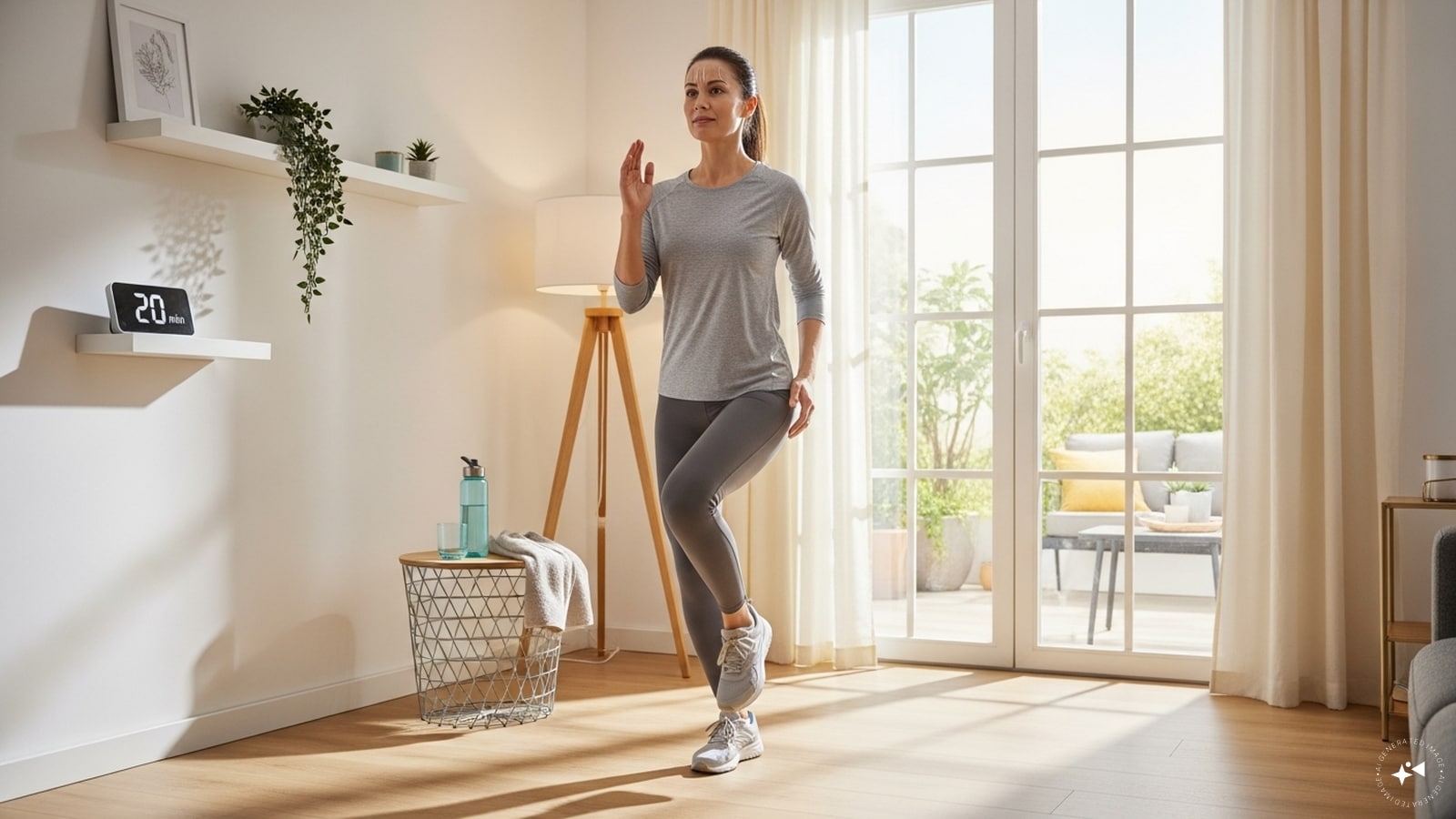
Brisk Walking or Marching in Place: Walking remains one of the most underrated exercises. A brisk 20-30 minute walk around your home, terrace, or even marching in place can elevate your heart rate, improve circulation, and boost mood. For beginners, this is a gentle yet effective way to meet the recommended 150 minutes of weekly aerobic activity. (Image: AI-Generated)
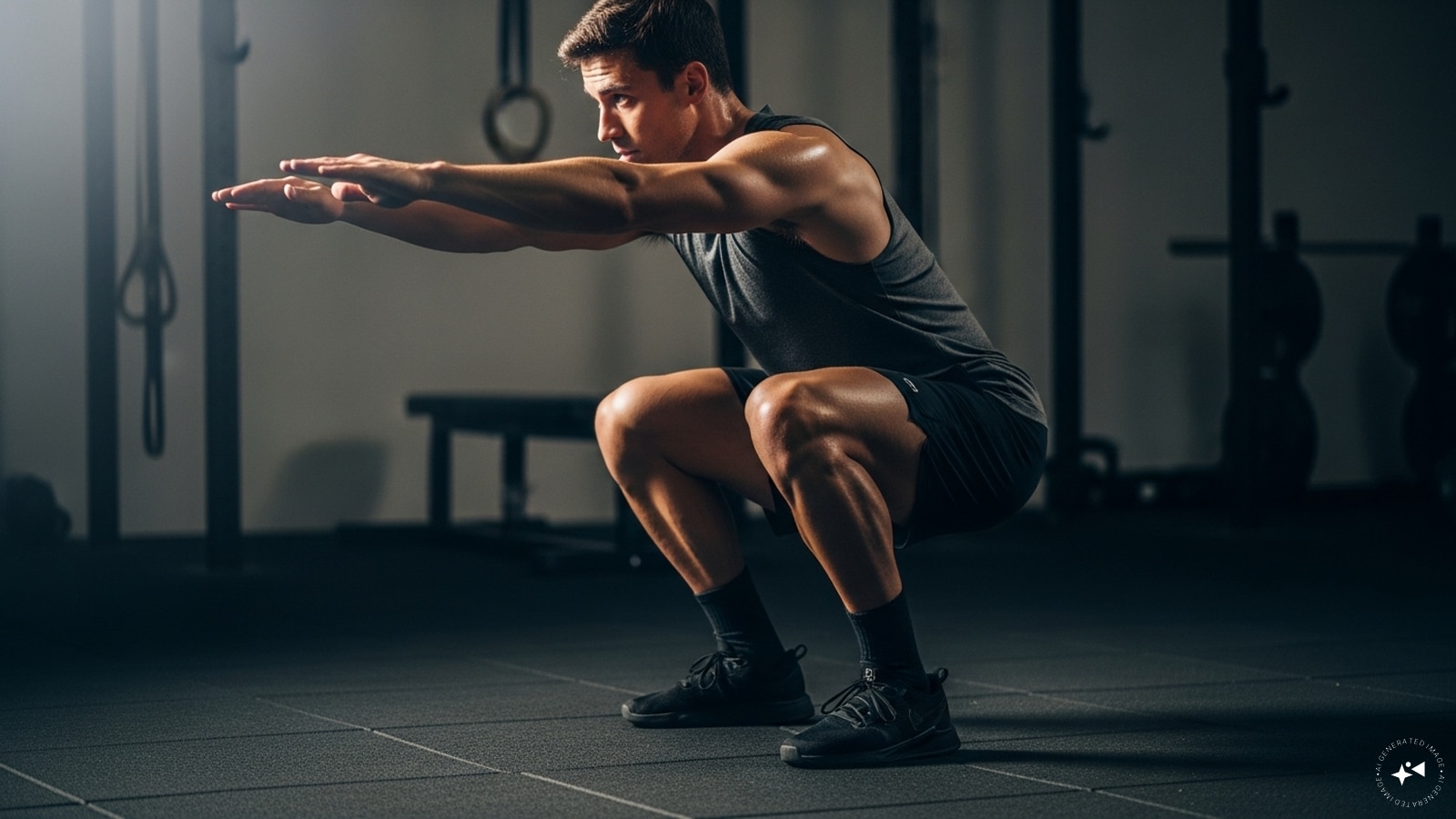
Bodyweight Squats: Squats are a cornerstone of strength training. They target the legs, hips, and core, building functional strength for everyday movements. Beginners can start with 10-12 slow squats, focusing on form rather than speed. Over time, adding repetitions or holding light weights can increase intensity. (Image: AI-Generated)
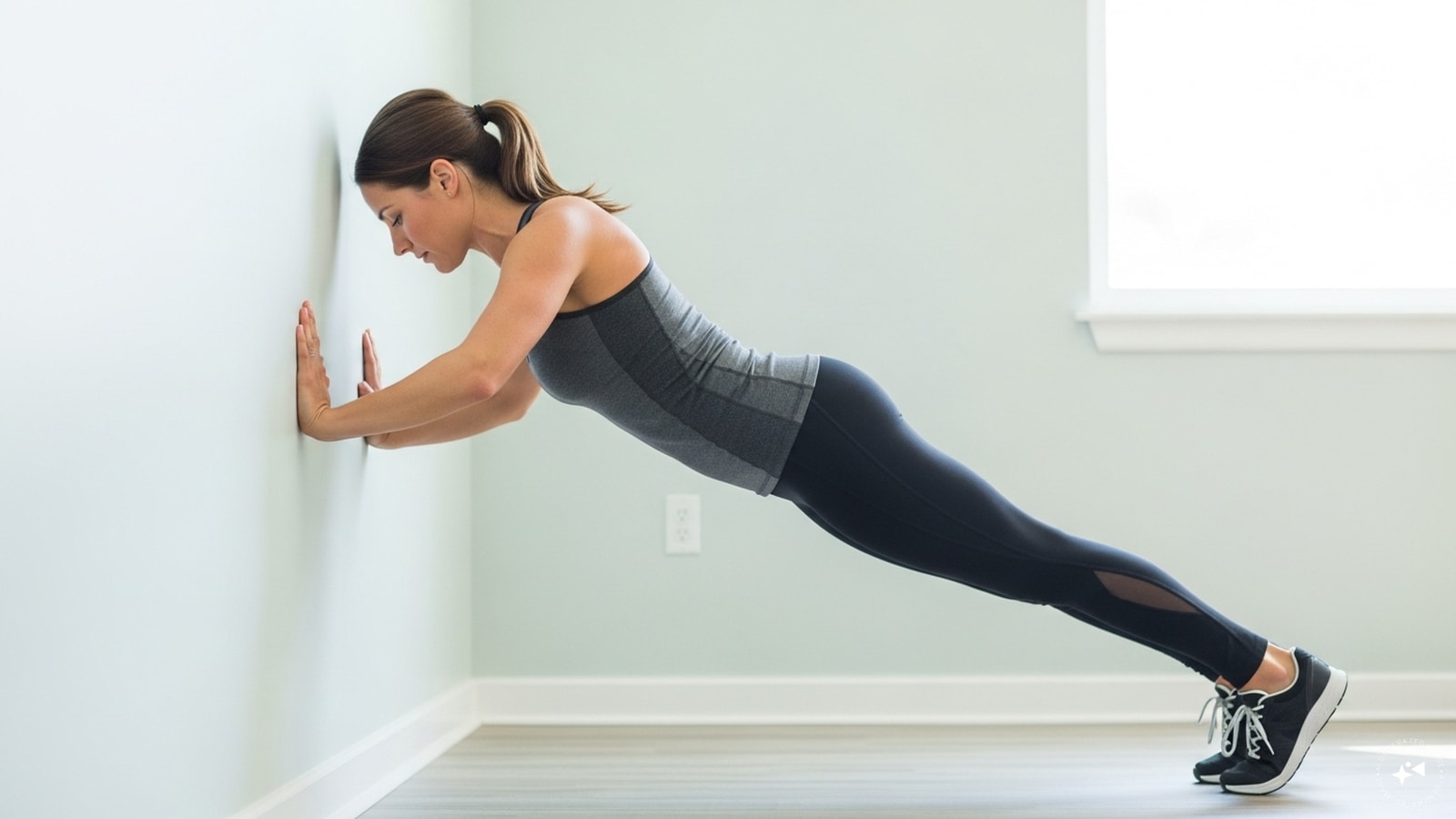
Wall Push-Ups: Push-ups can feel intimidating, but wall push-ups are a beginner-friendly modification. Standing a few feet from a wall, place your hands shoulder-width apart and perform controlled push-ups. This strengthens the chest, shoulders, and arms without straining joints. As strength improves, you can progress to knee push-ups and eventually full push-ups. (Image: AI-Generated)
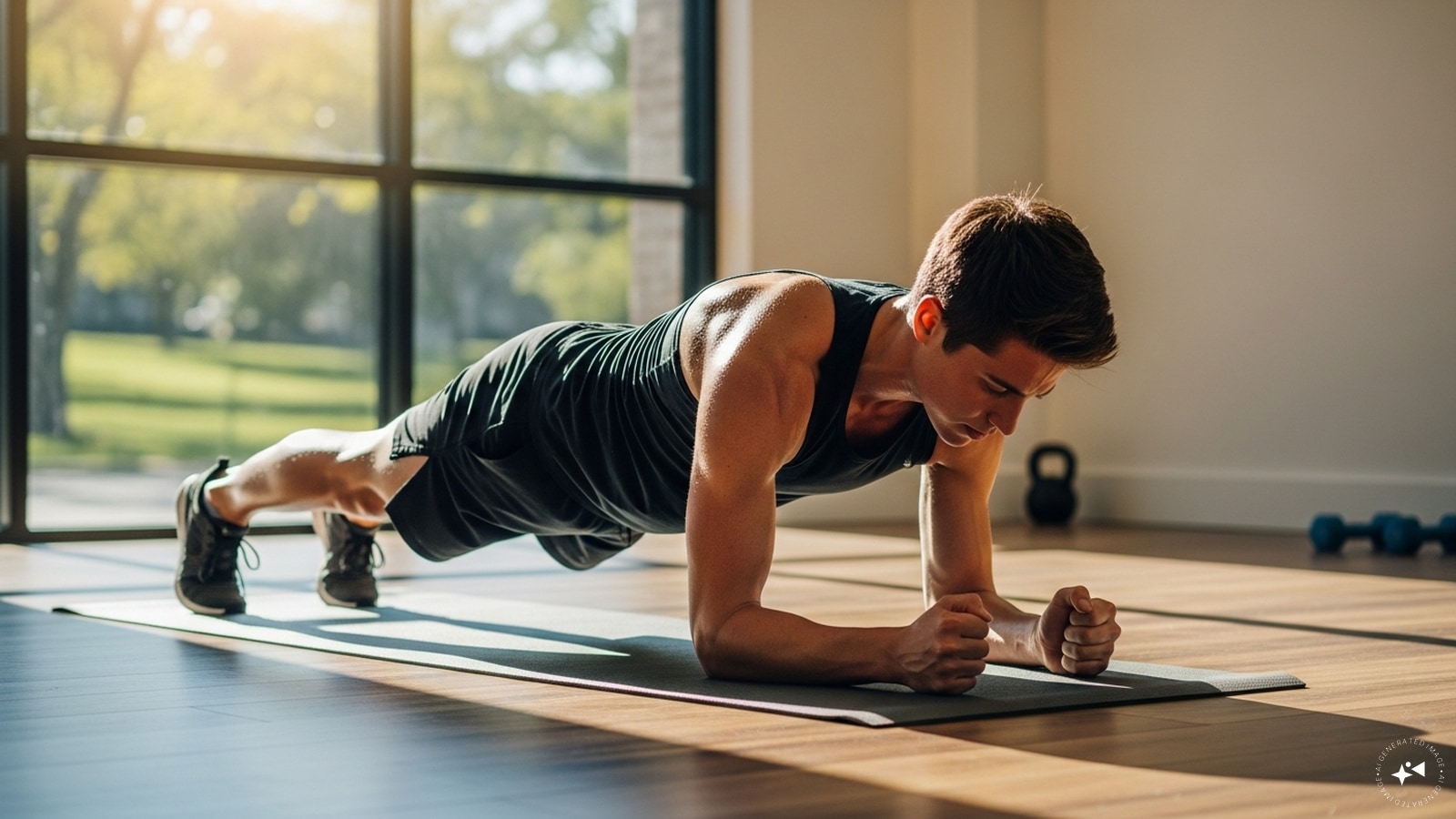
Core Strength with Planks: A strong core supports posture, balance, and back health. Beginners can start with simple plank holds of 15-20 seconds, gradually increasing duration. Core exercises not only improve fitness but also reduce the risk of injuries, making them essential for long-term wellbeing. (Image: AI-Generated)
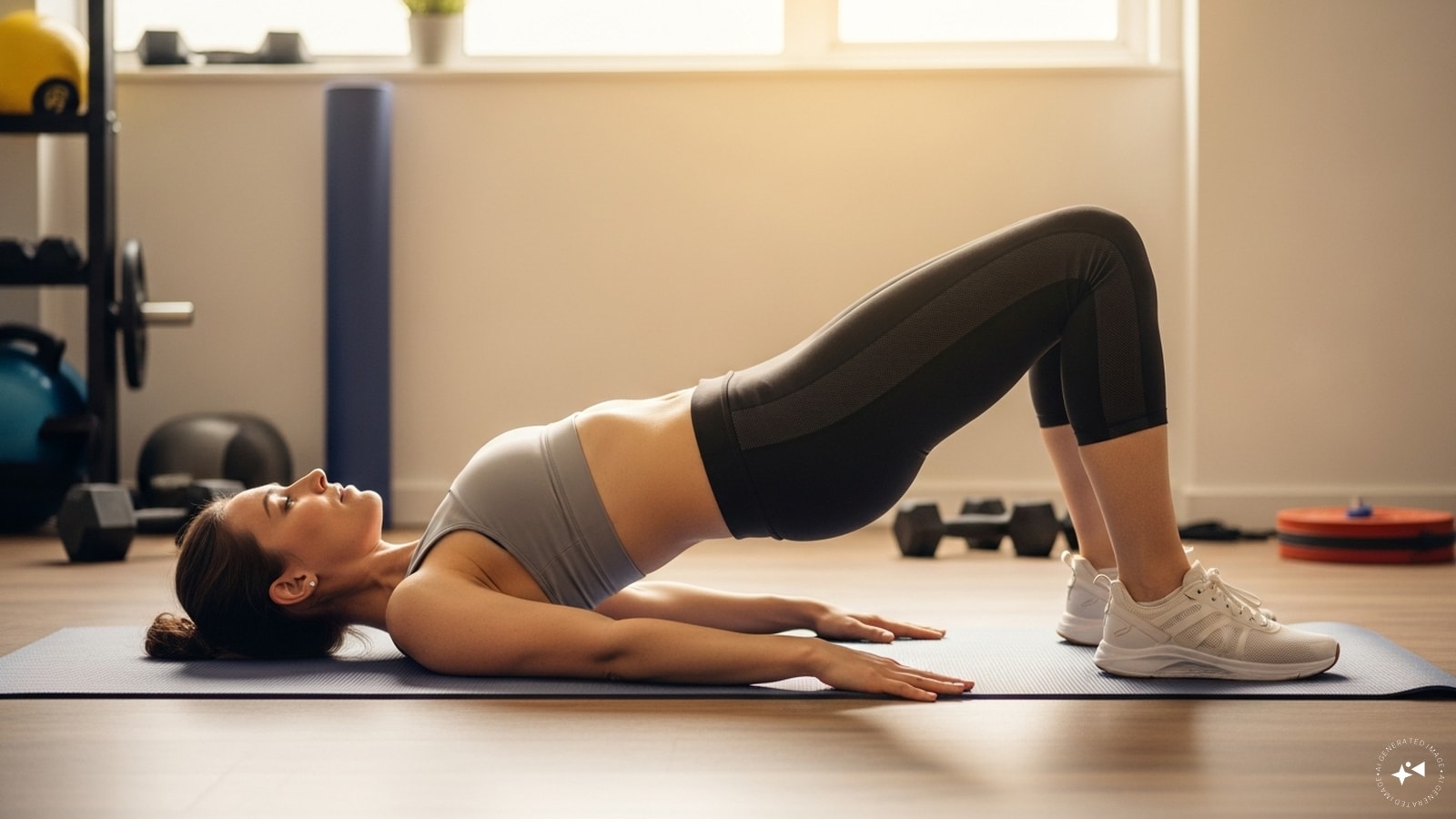
Glute Bridges: Glute bridges are excellent for activating the lower back and glutes. Lying on your back with knees bent, lift your hips toward the ceiling and hold briefly before lowering. This move strengthens the posterior chain, which is often neglected in sedentary lifestyles. (Image: AI-Generated)
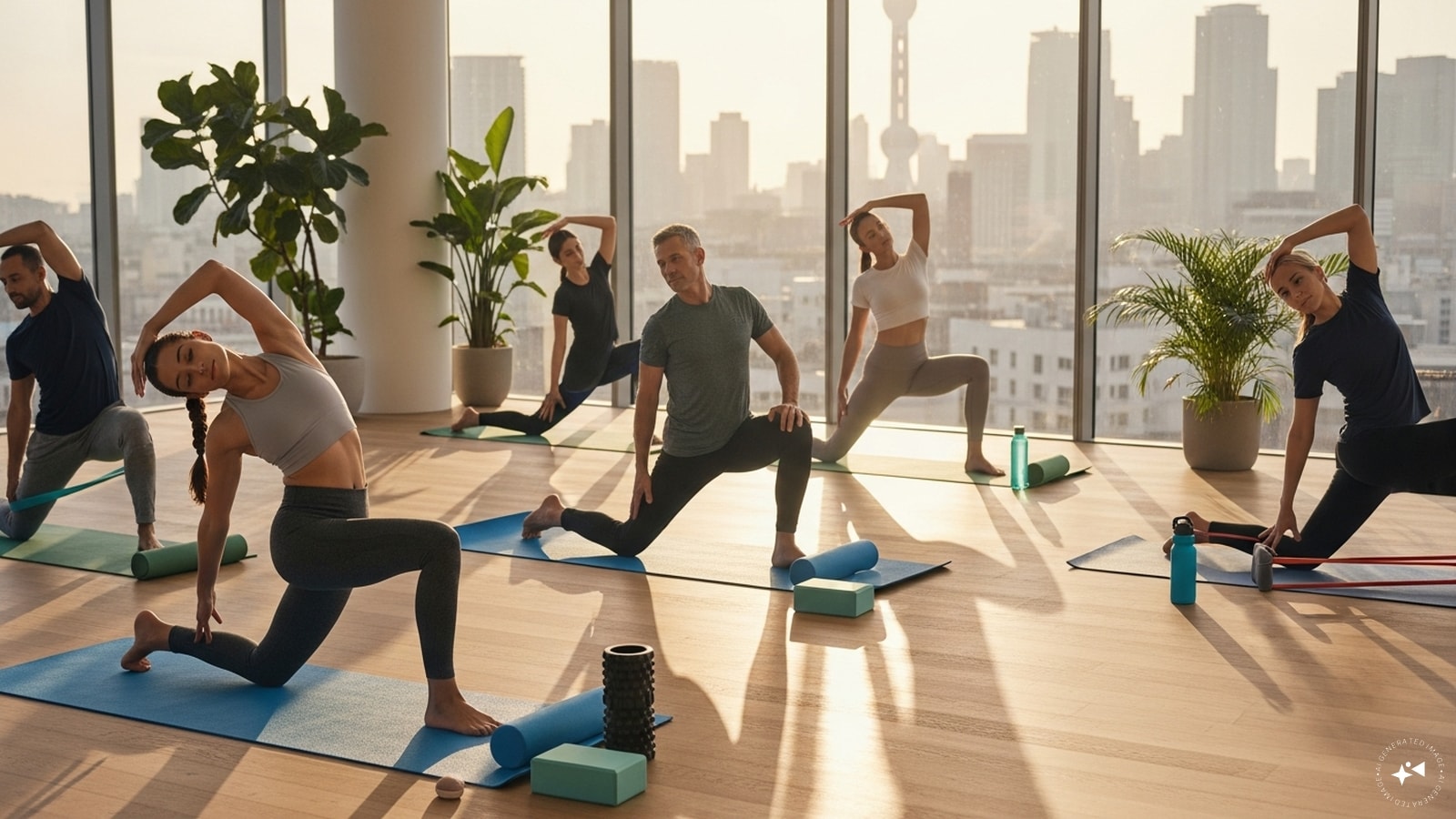
Stretching and Mobility: Flexibility is often overlooked, but stretching is vital for preventing stiffness and injuries. Gentle stretches for the neck, shoulders, hips, and legs improve mobility and recovery. In 2026, mindful movement practices like yoga and mobility flows are gaining popularity as sustainable fitness trends. (Image: AI-Generated)

Technology and Motivation: Wearable devices, fitness apps, and even smart home gym systems are redefining how beginners approach exercise in 2026. These tools help track progress, set goals, and provide guided routines. However, experts caution against relying solely on gadgets; the focus should remain on building habits that feel natural and enjoyable. (Image: AI-Generated)
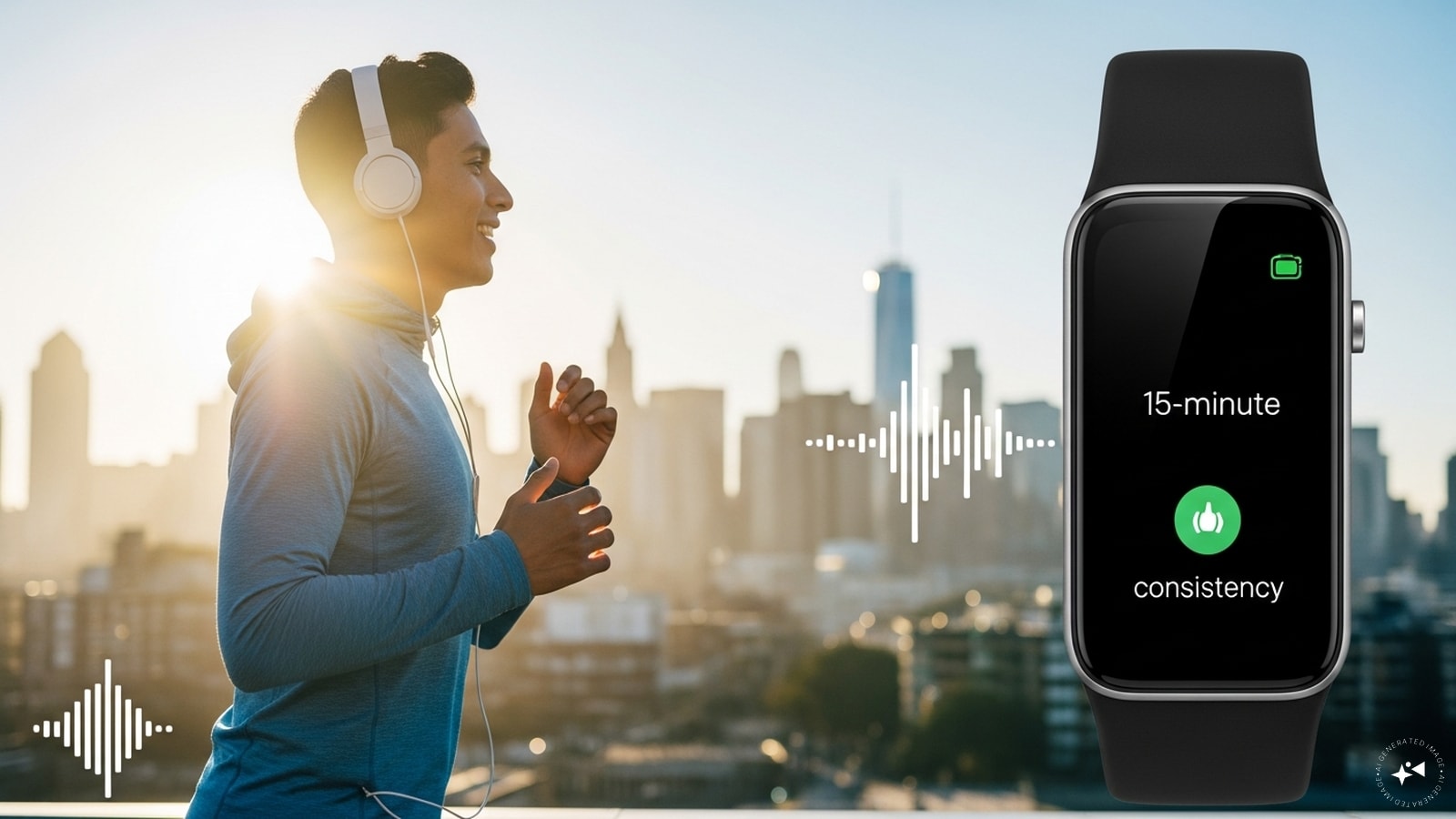
Building Consistency: The most important aspect of starting a fitness regime is consistency. Experts recommend beginning with short, manageable sessions – 15 to 25 minutes daily – and gradually increasing intensity. Pairing exercise with enjoyable activities, like listening to music or podcasts, can make routines more engaging. (Image: AI-Generated)
