


Protecting Critical Water Infrastructure from Climate-Driven Slope Failures
As extreme weather weakens terrain, new engineering and nature-based strategies are emerging to stabilize slopes and secure vital water networks.
Climate patterns are shifting in ways that increasingly challenge the reliability of essential systems. Among the most vulnerable are water infrastructure networks, which depend heavily on stable terrain to function safely and continuously.
From reservoirs and dams to pipelines and treatment facilities, many systems are built along or within slopes that are now exposed to more intense rainfall, prolonged drought and rapid land-use changes. As pressures grow, slope failures have become a pressing concern for engineers, environmental planners and communities alike.
Understanding Slope Failures in a Changing Climate
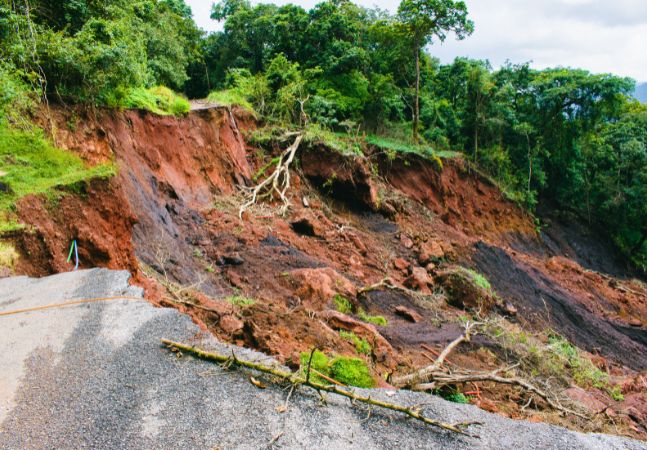
Slope failures refer to the soil, rock or debris movement down a slope. These events range from slow soil creep to sudden landslides, and climate change is amplifying their frequency and severity.
Heavier and more frequent rainfall saturates soil, reducing its strength and increasing the likelihood of collapse. According to the National Aeronautics and Space Administration, intense precipitation is the most common landslide trigger globally.
Extended droughts also play a role. Dry conditions can cause soil to crack and lose cohesion. When rainfall eventually returns, water infiltrates quickly into weakened ground, increasing instability. In coastal and riverine areas, rising water levels and erosion further weaken slopes that support water infrastructure.
The combined effects create a cycle in which slopes become increasingly vulnerable over time, especially in regions already prone to geological instability.
Why Water Infrastructure Is at Risk
Critical water infrastructure is often located in areas where slopes are unavoidable. Pipelines follow natural contours, dams rely on valley walls and treatment plants may sit near elevated terrain for gravity-fed systems.
Slope failures in these circumstances can have serious consequences:
- Pipeline ruptures leading to water loss and contamination
- Dam or reservoir damage that threatens water supply and safety
- Sedimentation that reduces storage capacity and affects water quality
- Service disruptions impacting communities and agriculture
- Increased maintenance and repair costs that strain public resources
- Heightened risk to nearby communities due to flooding or debris flows
Landslides can disrupt lifeline systems such as water, power and transportation, compounding the impacts of disasters. As climate-driven hazards intensify, protecting these systems has become a priority for both resilience planning and environmental sustainability.
The Role of Soil Erosion in Slope Instability
Soil erosion is a key factor in slope failures. When vegetation is removed or degraded, soil loses its natural reinforcement. Rainfall can then wash away topsoil, exposing weaker layers beneath. Healthy soil structure and plant cover are essential for maintaining slope stability.
As erosion progresses, the loss of nutrient-rich topsoil and the compaction of remaining soil reduce its ability to absorb water. This increases surface runoff, which can accelerate flooding and further weaken slopes. In water infrastructure, this adds pressure to drainage systems and can erode the ground supporting pipelines, reservoirs and embankments, increasing the likelihood of slope failures.
Preventing soil erosion involves a combination of ecological and engineering approaches:
- Vegetation restoration using deep-rooted plants to anchor soil
- Terracing and contouring to slow water runoff
- Mulching and ground cover to protect exposed soil
- Drainage management to control water flow and reduce saturation
These methods help maintain slope integrity while supporting broader environmental goals such as biodiversity and water conservation.
Emerging Engineering Solutions for Slope Stability
In response to increasing risks, engineers are developing and applying advanced techniques to stabilize slopes and protect infrastructure. These solutions combine traditional geotechnical practices with modern materials and monitoring technologies.
Soil Nailing for Ground Reinforcement
Soil nailing strengthens unstable slopes by inserting steel bars into the ground to increase cohesion and resistance to movement. This method works well in confined spaces and along steep terrain, making it suitable for protecting water pipelines and facilities built into hillsides. It supports both new construction and slope rehabilitation by reinforcing existing soil without requiring large structural changes.
Retaining Structures and Reinforced Slopes
Retaining walls and reinforced slope systems provide structural support that counters the forces driving soil movement. Modern designs often use geosynthetic materials to improve durability, flexibility and drainage. These systems help stabilize terrain around reservoirs, canals and treatment plants, reducing the likelihood of sudden slope collapse.
Improving Drainage Systems
Effective drainage reduces water buildup on slopes, a major trigger of instability. Solutions such as subsurface drains, surface channels and permeable materials help manage water flow and prevent soil saturation. By controlling moisture levels, these systems are key in minimizing erosion and maintaining slope strength over time.
Monitoring and Early Warning Systems
Technological advancements are enhancing the ability to detect and respond to slope instability before failures occur. Monitoring systems use sensors, satellite data and real-time analytics to track changes in soil movement, moisture levels and rainfall intensity.
Early warning systems enable operators to take preventive action, such as adjusting reservoir water levels or temporarily shutting down vulnerable infrastructure. These systems also support emergency planning and community safety.
Nature-Based Solutions for Long-Term Resilience
Beyond engineering interventions, nature-based solutions are gaining attention as sustainable approaches to slope stabilization. These methods work with natural processes to reduce risk while providing environmental benefits.
Examples include:
- Reforestation and afforestation to strengthen soil and reduce runoff
- Wetland restoration to absorb excess water and stabilize the surrounding land
- Buffer zones along waterways to prevent erosion
The International Union for Conservation of Nature promotes nature-based solutions as effective tools for climate adaptation and disaster risk reduction. These approaches can complement engineered systems, creating hybrid solutions that enhance resilience and sustainability.
Integrating Risk Assessment into Infrastructure Planning
Addressing slope failures requires integrating risk assessment into infrastructure planning early, especially as disasters continue to intensify and disrupt development. The World Bank emphasizes that disasters increasingly affect economic stability, infrastructure and vulnerable communities, often reversing years of progress.
In this context, evaluating soil conditions, climate patterns, land-use policies and local insights during the planning stage helps reduce exposure to slope-related hazards. By prioritizing resilience from the outset, infrastructure projects can better withstand environmental pressures, protect critical water systems and support long-term, sustainable development.
Policy and Collaboration
Government policies and cross-sector collaboration are vital to managing slope failures. Regulations that promote sustainable land use, enforce construction standards and support infrastructure maintenance are essential.
Collaboration between agencies, researchers and communities enables the sharing of data, resources and expertise. This collective approach enhances mitigation strategies and ensures that solutions are tailored to local conditions.
International frameworks, such as those the United Nations Office for Disaster Risk Reduction supports, encourage countries to adopt comprehensive strategies to reduce disaster risks, including landslides.
Strengthening Slopes, Securing Water Futures
Slope failures present a complex challenge that calls for a coordinated approach grounded in engineering, environmental management and long-term planning. Strategies such as soil nailing, improved drainage, nature-based solutions and real-time monitoring offer practical ways to stabilize terrain and protect critical systems.
By addressing soil erosion, reinforcing vulnerable slopes and integrating climate risk into infrastructure decisions, stakeholders can reduce disruptions and support reliable water services. Strengthening slopes today is critical in securing safe and sustainable water systems for the future.
