


NEWYou can now listen to Fox News articles!
Google packed a lot into its annual Made by Google event on August 12. We got four Pixel 11 phones, a new Pixel Watch, Google’s first finder tag and fresh Pixel Buds features. Yet one theme kept coming through. Google wants its devices to anticipate what you need before you have to ask.
I was especially interested in what these upgrades could change in everyday use. A faster processor sounds nice. A phone that surfaces your flight information when someone texts you about a trip feels much more personal.
If you want to see how much has changed in one generation, take a look back at our coverage of the Pixel 10 event and Google’s previous phones, smartwatch and earbuds. Here are the eight things that stood out to me.
New! Free live CyberGuy class: Protect Your Money From Today’s Biggest Threats
Join us Saturday, August 29, at 10 AM ET for a free CyberGuy LIVE class covering five simple steps to help defend yourself against AI scams, fraud, identity theft and financial hacks. Kurt “CyberGuy” Knutsson will explain how to set up bank alerts, strengthen your account logins, protect your phone number, freeze your credit and help secure your retirement savings against unauthorized transfers. No technical experience is needed. You’ll also receive our financial protection checklist, and every registrant will get a link to the class recording afterward.
Reserve your free spot today at CyberGuyLive.com.
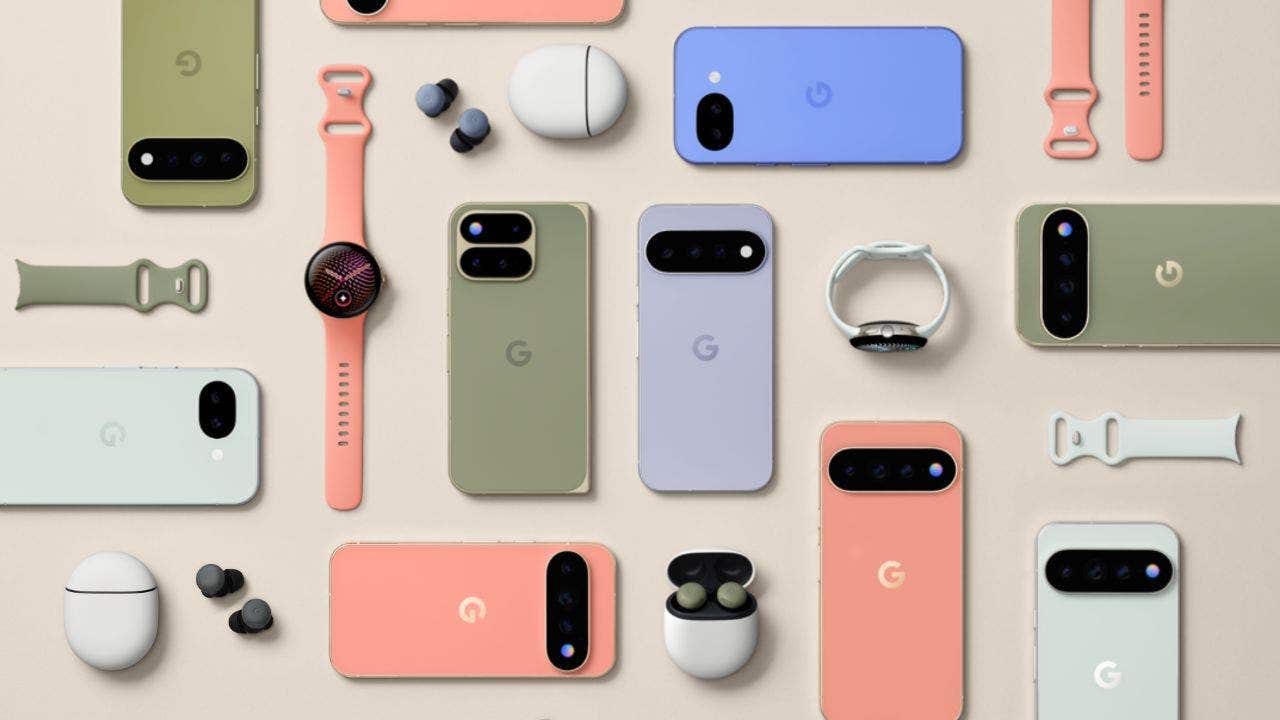
Google’s new Pixel 11 lineup pairs upgraded phones with Pixel Watch 5, Pixel Buds Pro 2 and the company’s expanding ecosystem of connected devices. (Google)
1) Google’s Pixel 11 lineup gets meaningful upgrades
The phone lineup includes the Pixel 11, Pixel 11 Pro, Pixel 11 Pro XL and Pixel 11 Pro Fold. All four use Google’s new Tensor G6 processor and are designed around its latest Gemini Intelligence features.
The standard Pixel 11 gets a camera bar that is 40% thinner than earlier base-model Pixels. It also has a larger 48-megapixel main camera with 56% more light sensitivity than the Pixel 10. Its 5x telephoto camera now supports up to 30x Super Zoom. The Pixel 11 Pro and Pro XL have Google’s brightest Pixel displays yet, reaching up to 3,600 nits. Google also says a new display coating provides more than twice the scratch resistance of the previous Pro generation. Their upgraded telephoto camera can reach up to 120x Pro Zoom. All three traditional Pixel 11 models now start with 256GB of storage. Google also carries Pixelsnap magnetic wireless charging into the Pixel 11 lineup, with Qi2 support and faster wireless charging that can reach up to 25W on compatible models. Pixelsnap lets you snap on compatible chargers, stands, grips and other magnetic accessories.
Then there is the Pixel 11 Pro Fold. Google made it almost 10% lighter and about 1 millimeter thinner than the Pixel 10 Pro Fold. A redesigned hinge, new back material and stronger outer display also make it three times more durable than last year’s Fold, according to Google’s testing. That gives the Pixel 11 family a clearer reason to upgrade beyond AI alone. Google has changed the cameras, durability and charging experience while refining the physical design.
Google is also trying to make switching from an iPhone less painful. Quick Share on Pixel can now send and receive photos and videos with iPhones and MacBooks, while Google says your photos and group chats can move over when you switch.
All four Pixel 11 phones are available for preorder now, including the Google Pixel 11, Google Pixel 11 Pro, Google Pixel 11 Pro XL and Google Pixel 11 Pro Fold. They officially go on sale August 20.
FBI HELPS TAKE DOWN AI PHISHING RING
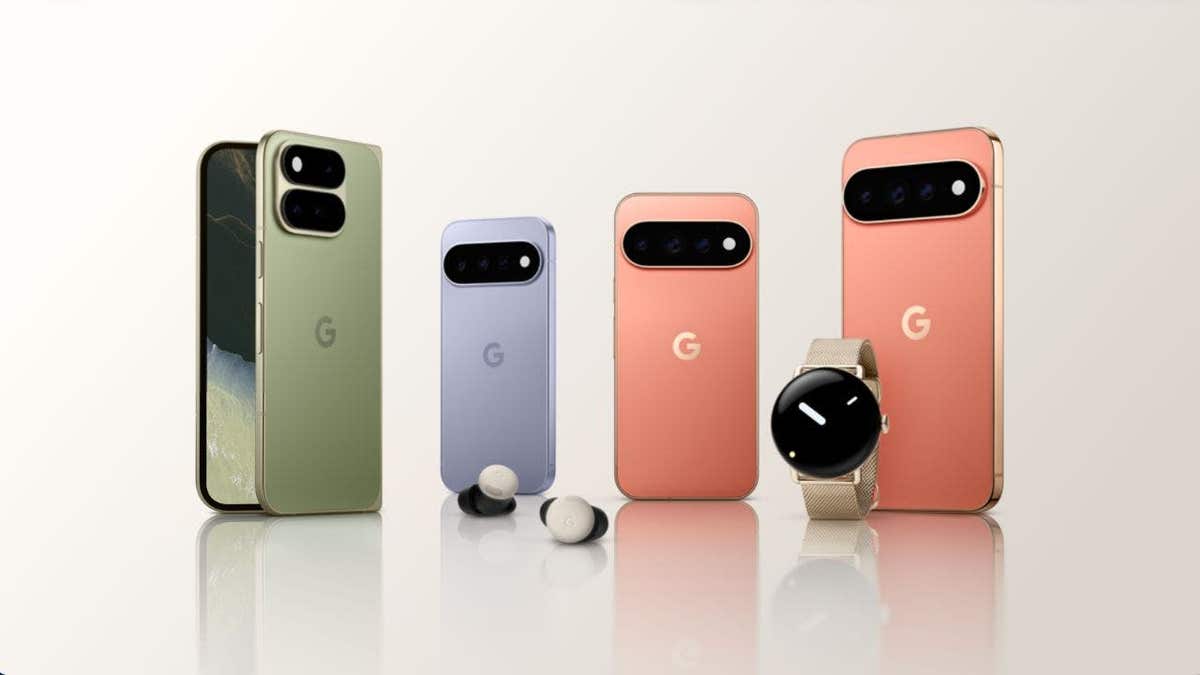
The Pixel 11 family includes four new phones powered by Tensor G6, alongside Pixel Watch 5 and Pixel Buds Pro 2. (Google)
2) Gemini gets much more proactive on Pixel 11
Google is taking another step toward making Gemini feel less like an app you open and more like something that can help across your phone. Gemini can now handle multistep tasks across more than 40 apps. Pixel 11 can also surface information based on what you are doing. For example, if a friend messages you about an upcoming trip, a card can appear with your booking information and flight status. Pixel can also suggest actions based on your conversation. If you are discussing dinner plans, for example, it may offer a prompt to make a reservation. It can suggest adding an event to Calendar or saving a location to Maps.
Google also introduced Rambler, a Gemini-powered voice input feature. It cleans up natural speech as it transcribes you. That means filler words such as “um” and “ah” do not have to end up in your finished message. That could be one of those small features you quickly start using every day.
Much of this is powered by Google’s new Tensor G6 processor. Google says Tensor G6 can process on-device AI tasks up to 3.5 times faster while using up to 3.5 times less energy than the previous generation under its testing.
Google also introduced Sign To Text, which lets Pixel understand American Sign Language through the camera. Users can sign to write, chat or prompt Gemini from the keyboard. Google says the feature can recognize one-handed and two-handed signing along with facial expressions for grammar and tone. It is available for ASL now, with more sign languages planned.
3) Pixel 11 cameras want you to stop staring at the screen
One of my favorite ideas from the event is Magic Capture. Instead of making you concentrate on hitting the shutter at exactly the right second, Magic Capture can analyze around 400 frames during a typical session. It then delivers carefully timed 12-megapixel photos. The feature can also automatically crop or unblur an image. At the same time, it saves video without making you switch camera modes. That could come in handy with kids, pets or anything else that refuses to pose for you.
The hardware gets an upgrade too. Pixel 11 has a new 48-megapixel main sensor that Google says delivers 56% more light sensitivity than Pixel 10. Its 5x telephoto camera can reach 30x Super Zoom. Meanwhile, Pixel 11 Pro and Pro XL get an upgraded 48-megapixel telephoto camera. Google says its larger sensor provides 30% more light sensitivity. The Pro phones can reach up to 120x Pro Zoom.
Google says the new Instant Night Sight is four times faster, helping Pixel capture low-light photos without requiring you to hold the phone still as long. There is also a new Camera Looks feature. It lets you choose a visual style before taking the photo. You can select a default look or customize additional styles to suit the shot. If the camera is your biggest reason for upgrading a phone, you may also want to compare the new Pixels with our current top Android phones of 2026 at cyberguy.com.
4) HiLight brings back the notification light with a twist
Remember when phones had little notification lights? Google is bringing that idea back in a much more noticeable way. Pixel 11 Pro and Pixel 11 Pro XL introduce HiLight. Colored LED lights around the camera flash can glow while the phone is face down.
For example, HiLight uses different patterns to show when Gemini is listening, thinking or responding. You can also assign colors to important contacts so an incoming call gives you a visual clue about who is calling. Google says message notifications from favorite contacts are among the capabilities planned for HiLight later.
I like the thinking here. Phones are very good at pulling us back onto the screen. A quick visual signal could give you useful information without demanding your full attention. The Pixel 11 Pro Fold gets HiLight as well.
5) Pixel 11 puts more control around AI and security
With Gemini getting access to more context on your phone, privacy was an obvious question at the event. Google says Pixel gives users visibility into what AI is doing and controls over how their data is used. You can also turn AI features on or off.
Google highlighted several security protections built into Pixel 11. The phone can automatically block many spam calls and texts while warning you about messages or calls that may be scams. Google is also promising seven years of automatic security updates. An upgraded security chip is designed to help protect personal information stored on the phone.
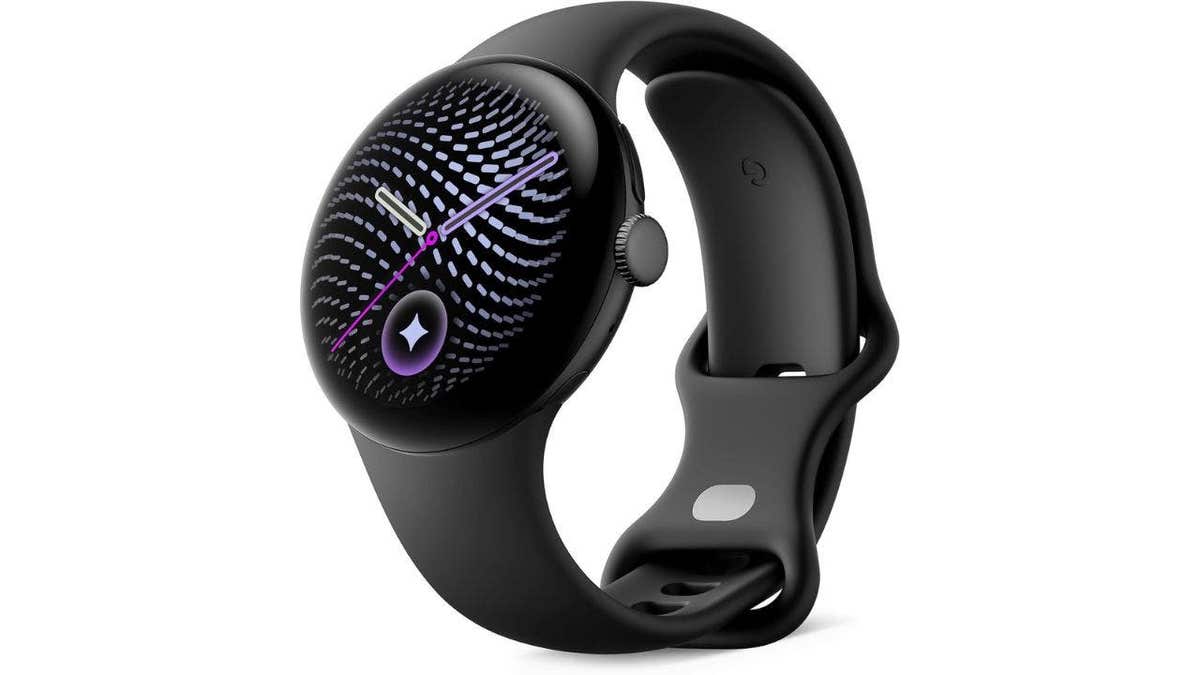
Pixel Watch 5 adds faster performance, improved GPS and new health features designed to make the smartwatch more helpful day to day. (Google)
6) Pixel Watch 5 moves deeper into health monitoring
Pixel Watch 5 may be the device I would watch most closely after launch. Google upgraded its GPS and says route tracking can be twice as accurate as previous Pixel Watch generations in difficult environments. The watch also gets 50% more RAM and a faster processor compared with Pixel Watch 4. Then there is Google Health. Pixel Watch 5 introduces Health Guardian features that look for longer-term changes in your wellness. These include monthly summaries involving blood pressure trends, sleep breathing quality and insulin resistance trends. Google says these features are designed for general wellness and are not intended to diagnose or treat medical conditions.
The headline safety feature is Breathing Emergency Detection. It uses the watch’s sensors and on-device AI to look for a severe, persistent drop in oxygen saturation. If the wearer becomes unresponsive, the watch can automatically call emergency services and transmit the person’s location. There is an important catch for U.S. buyers. Breathing Emergency Detection is currently available on Pixel Watch 4 and Pixel Watch 5 in select European countries. It is not currently available in the United States. Google says it plans to expand the feature to more countries.
Pixel Watch 5 is available for preorder now and starts at $399 for the 41mm model and $429 for the 45mm version. The watches go on sale August 20.
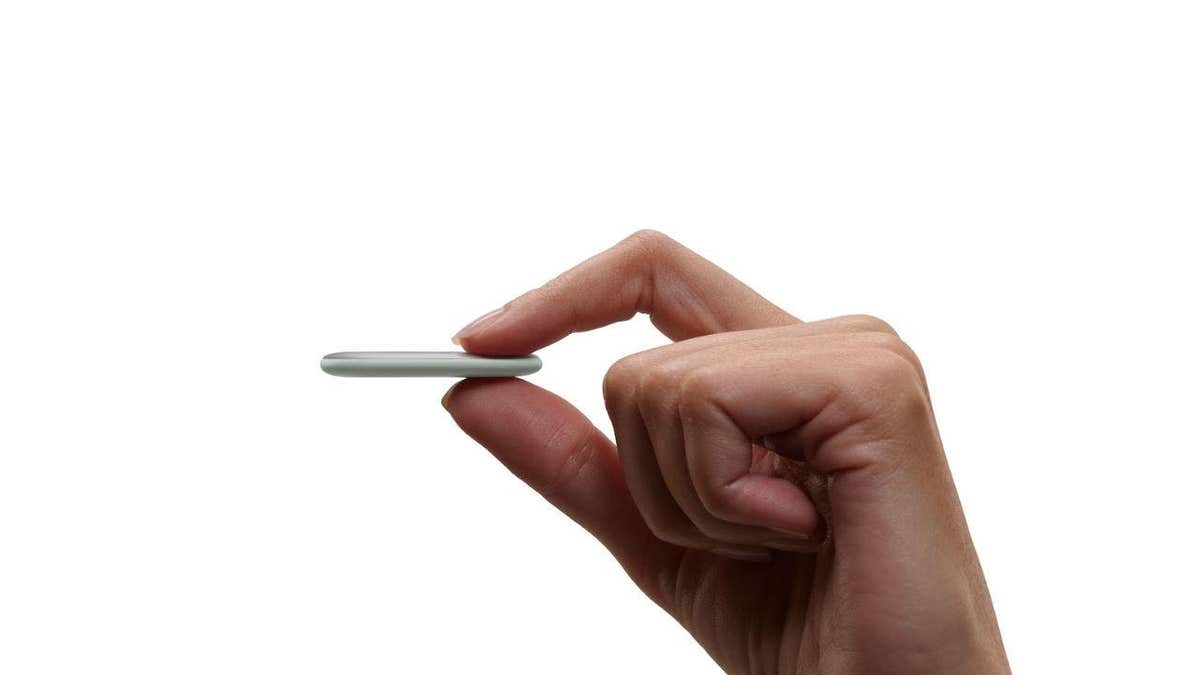
Pixel Tag is Google’s first finder tag, using the Find Hub network to help locate keys, bags and other belongings. (Google)
7) Pixel Tag finally gives Google its own item tracker
Google is officially entering the finder-tag business. Pixel Tag is a small tracker for things such as keys, wallets or luggage. It connects to Google’s Find Hub network, which includes more than one billion Android devices. That network can help locate an item when your own phone is no longer nearby. When you are close to the tag, Ultra-Wideband with Bluetooth Channel Sounding can provide distance and directional guidance on compatible devices. You can also make the Pixel Tag play a sound. Interestingly, the button on the tag works in reverse too. Press it and you can ring your phone.
Google says the replaceable battery lasts more than one year. The tag carries an IP67 water and dust resistance rating. You can also share a Pixel Tag with up to 10 people. Security matters with any location tracker. Google says Android phones automatically warn you if an unknown tag appears to be traveling with you.
We have covered Google’s expanding location tools before. You can read more about Find Hub and Google’s Android security protections.
Pixel Tag costs $29 for one or $99 for a four-pack. It is not available for preorder yet. Google says it goes on sale November 11.
WHAT A SCAMMER SEES THE MOMENT THEY GOOGLE YOUR NAME
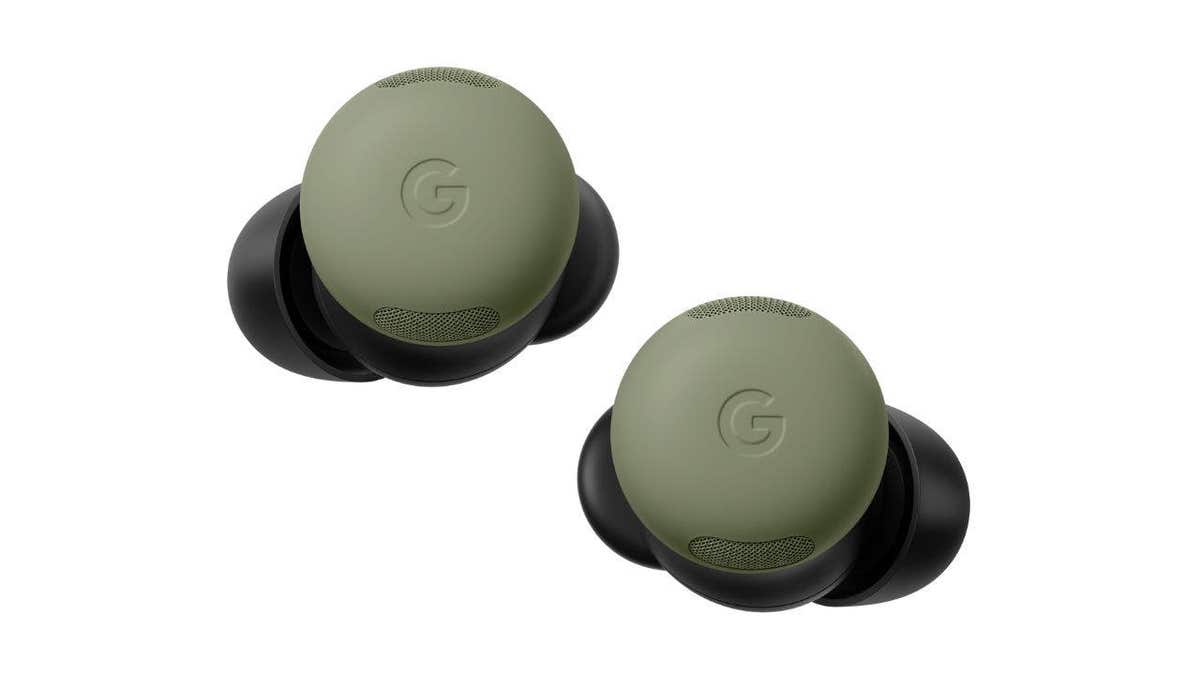
Pixel Buds Pro 2 gain new software features and are now available in an Olive color that matches Google’s latest Pixel devices. (Google)
8) Pixel Buds Pro 2 get smarter without buying new earbuds
Google did not replace the Pixel Buds Pro 2. Instead, it announced new software features and a new Olive finish. Google says an upgraded Active Noise Cancellation feature can compensate when the fit or seal changes, helping maintain noise cancellation while you are moving.
Another clever feature connects the Buds with Pixel Watch. Later this year, your Buds will automatically pause audio if your Pixel Watch senses that you have fallen asleep. Google also says Live Translate improvements are coming to Pixel Buds Pro 2 and Pixel Buds 2a later this fall. Pixel Buds Pro 2 are also getting the new Olive color to complement this year’s Pixel devices.
The Pixel Buds Pro 2 are available now, with the new Olive color joining the lineup.
Kurt’s key takeaways
Google could have spent its Pixel 11 launch talking mainly about faster processors and brighter displays. Instead, some of the most interesting changes focus on reducing how much attention your devices demand. Magic Capture could make it easier to get the photo without experiencing the entire moment through your screen. HiLight could tell you whether a call matters before you pick up your phone.
I am also watching the Pixel Watch 5 closely. A watch that can automatically call for help during certain breathing emergencies could become an important safety tool. However, U.S. buyers need to know that feature is not available here yet. Pixel Tag feels overdue, especially given the size of Google’s Find Hub network. Still, proactive Gemini may be the biggest shift. Your phone can increasingly use context from your apps and conversations to decide what information might help you next. That could save time, but it also makes understanding your privacy settings more important.
How much should your phone know about what you are doing in order to predict what you need next? Would you welcome that kind of help or rather have Gemini wait until you ask? Let us know by writing to us at Cyberguy.com
Sign up for my FREE CyberGuy Report
- Get my best tech tips, urgent security alerts and exclusive deals delivered straight to your inbox.
- For simple, real-world ways to spot scams early and stay protected, visit CyberGuy.com – trusted by millions who watch CyberGuy on TV daily.
- Plus, you’ll get instant access to my Ultimate Scam Survival Guide free when you join.
CLICK HERE TO DOWNLOAD THE FOX NEWS APP
Copyright 2026 CyberGuy.com. All rights reserved.
