



Winter trips are magical—snow-capped mountains, cozy evenings, and crisp air—but they also come with unique challenges. From chilly temperatures to unpredictable weather, travelling in winter requires careful planning to stay comfortable, safe, and healthy. Packing the right essentials, checking weather conditions, and preparing for emergencies can make the difference between a dreamy getaway and a stressful experience.
Check The Weather Forecast: Before traveling, always monitor the local weather of your destination. Snowfall, storms, or heavy rains can disrupt travel plans. Packing accordingly and preparing for delays ensures a safer and more comfortable winter trip. (Image: AI-generated)
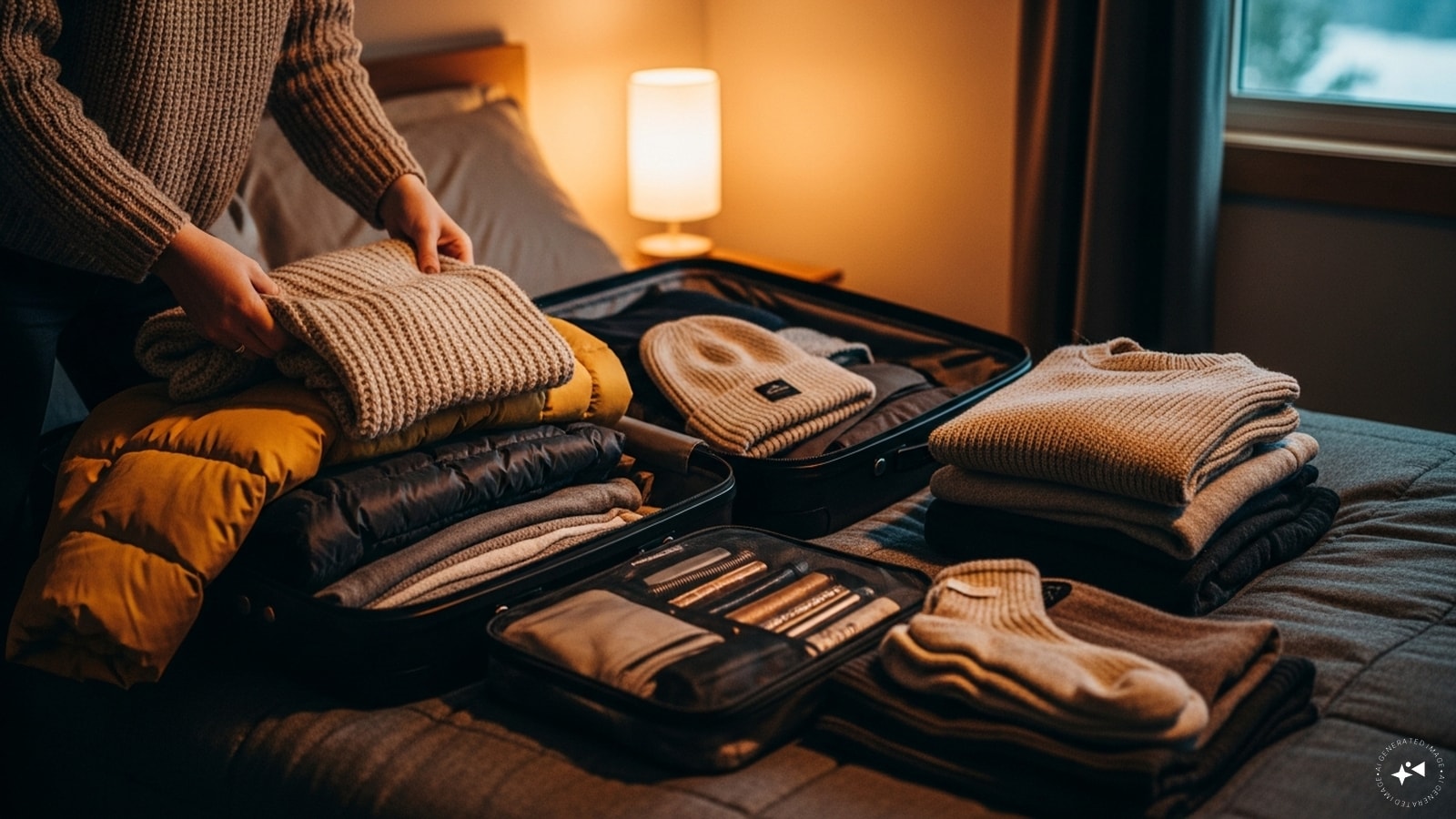
Pack Warm Clothing: Layered clothing, thermals, sweaters, jackets, gloves, hats, and scarves are must-haves. Winter temperatures can drop unexpectedly, and layering helps regulate body heat, keeping you comfortable during outdoor activities or while exploring colder regions. (Image: AI-generated)

Carry Moisturizers And Lip Balm: Cold winter air dries skin and lips quickly. Carry nourishing moisturizers and hydrating lip balms to prevent chapping, dryness, and irritation, ensuring your skin stays healthy and comfortable throughout your trip. (Image: AI-generated)

Plan For Transportation Delays: Winter weather like snow, fog, or icy roads can cause flight or road delays. Factor extra time into your travel schedule, and always have backup transport options or flexible bookings to avoid stress. (Image: AI-generated)
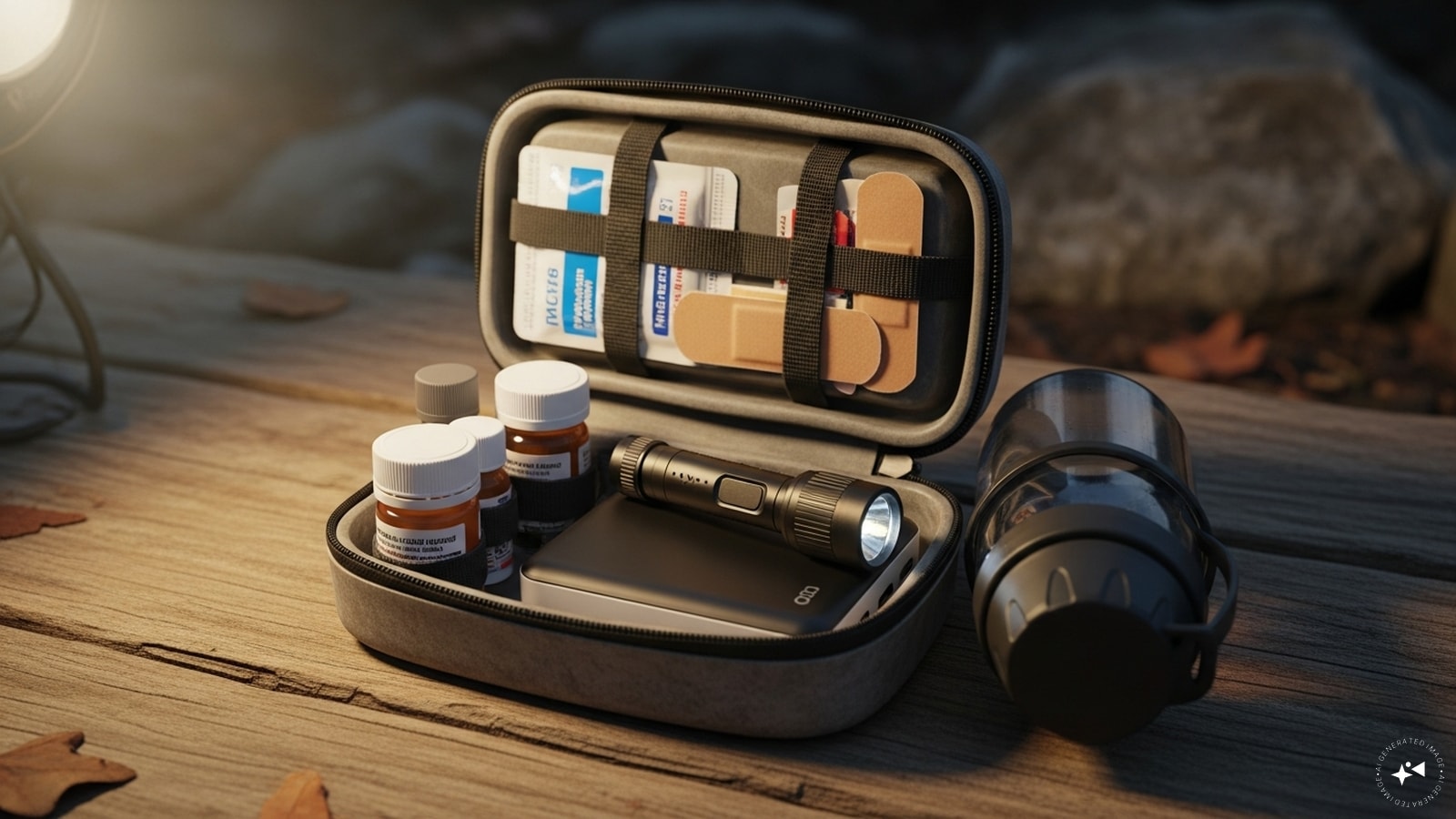
Keep Emergency Supplies: Carry a small kit with medicines, band-aids, a flashlight, portable charger, and extra water. Winter conditions may make access to stores or pharmacies difficult, so being prepared ensures safety and peace of mind. (Image: AI-generated)
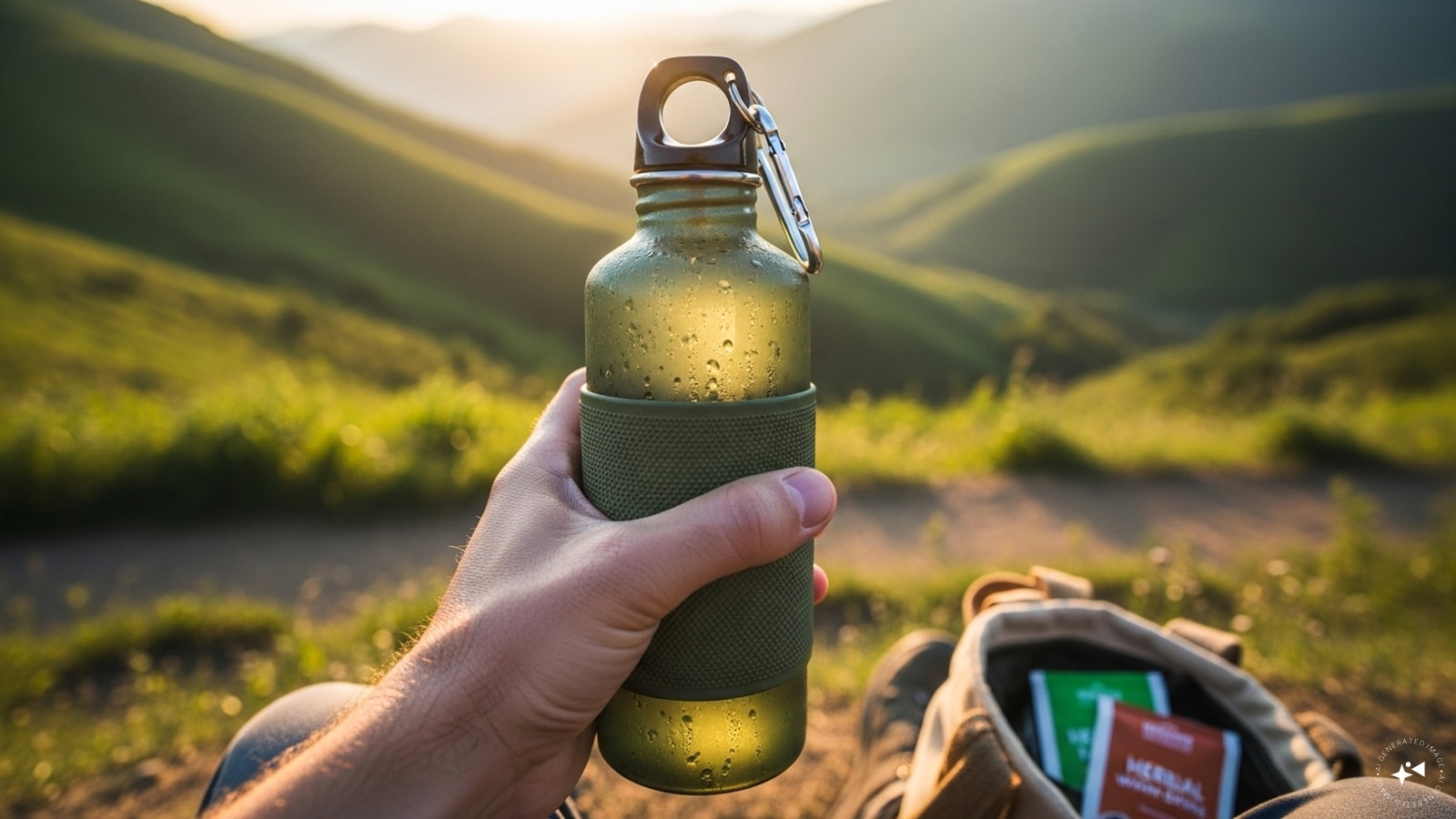
Stay Hydrated: Cold weather can make you forget to drink water, but staying hydrated is crucial. Carry a water bottle, herbal teas, or warm drinks to maintain energy levels, support metabolism, and prevent dehydration during winter travel. (Image: AI-generated)

Protect Your Eyes: Snow glare and cold winds can harm your eyes. Sunglasses with UV protection and protective eyewear are essential for snowy or sunny winter destinations, helping prevent strain, dryness, and long-term damage. (Image: AI-generated)

Keep Cash Handy: Digital payments may not always work in remote or snowy areas. Carry sufficient cash for emergencies, transportation, or local markets to avoid being stranded during winter travel in less-connected regions. (Image: AI-generated)

Plan Indoor Activities: Winter weather can be unpredictable, with snowstorms or rain disrupting outdoor plans. Research indoor activities, museums, cafes, and cultural centers so your trip remains enjoyable even if the weather forces you indoors. (Image: AI-generated)

Be Mindful Of Daylight Hours: Winter days are shorter, so plan sightseeing and travel during daylight. Reduced visibility and early sunsets can affect driving safety and outdoor adventures, making daylight planning essential for a smooth and safe trip. (Image: AI-generated)
