


Last Updated:
A man who paid Rs 3 lakh for a government job cannot recover the money, the Madras High Court ruled, saying the deal was illegal from the start.

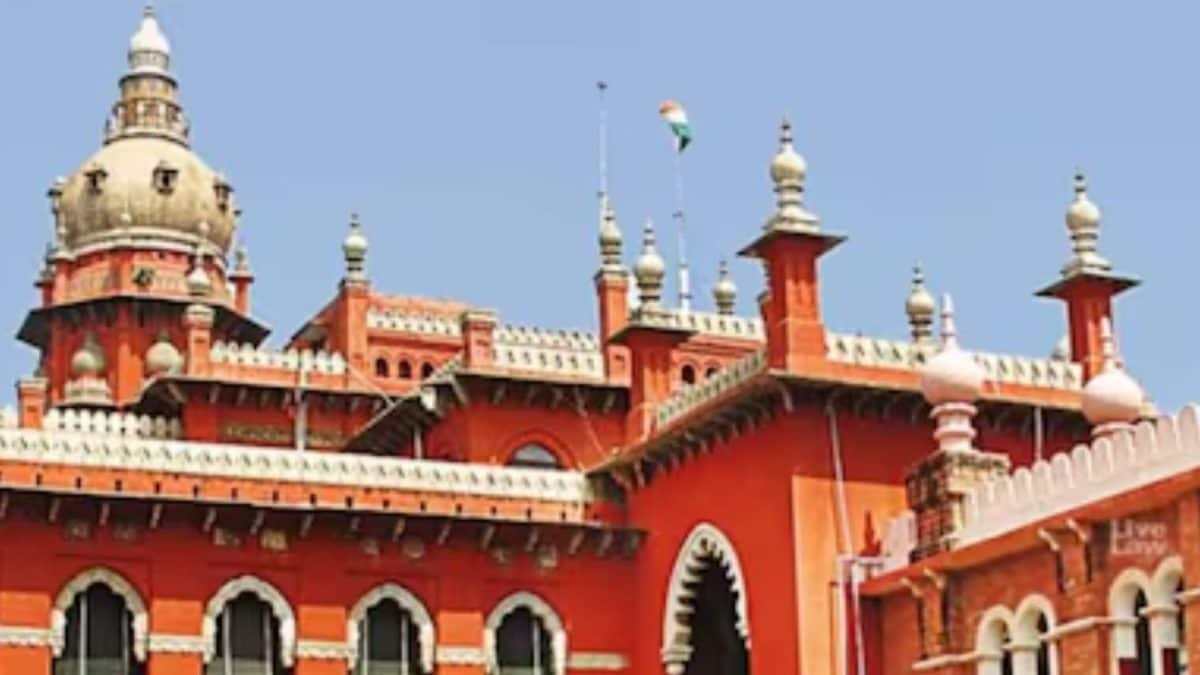
The court said a bounced cheque for bribe money isn’t a legal debt. (Photo Credit: X)
The Madras High Court has ruled that bribe money cannot be recovered through the court, even if the person who took the money later issues a cheque that bounces. The court said that since the original deal itself is illegal, there is no “legally enforceable debt” under the Negotiable Instruments (NI) Act.
The ruling came during a case involving a man who paid Rs 3 lakh after being promised a government job. When the job never came through and the cheques issued for repayment bounced, he approached the court. The High Court has now explained why such money cannot be claimed.
Bribe Money Cannot Be Recovered, Says Court
The case began when Mr. P was told that Mr. K, who held a key post in the Transport Corporation Labour Union, could help him get a government job. Trusting this, Mr. P paid Rs 3 lakh on February 10, 2016, in the presence of a witness, Madamuthu. But Mr. K failed to get him the job.
When Mr. P asked for his money back, Mr. K issued a cheque dated December 31, 2016. The bank refused it, saying it was old. Mr. K then gave another cheque dated February 28, 2017, for the same amount. This cheque bounced due to insufficient funds. After sending a legal notice, Mr. P filed a complaint under Section 138 of the NI Act.
A trial followed, where Mr. P and his witness testified. Mr. K denied the allegations but produced no evidence. In January 2018, the trial court ruled that the cheque was not issued for a legally valid debt since the original transaction, paying money for a government job, was illegal. Mr. K was acquitted.
High Court Reviews the Appeal
Mr. P challenged the acquittal. The High Court examined his complaint, where he clearly stated that the money was paid to secure a TNSTC job. The court said such payments are considered a bribe and are illegal. It also noted that when both parties willingly enter into an unlawful deal, the court will not help either side.
The High Court referred to a Delhi High Court ruling with similar facts. In that case, too, money paid for a job could not be recovered because both parties were equally at fault.
Expert Explains What Happens Next
When asked if the candidate could pursue further action, lawyer Avik Biswas told ET Wealth Online: “While the candidate can of course appeal against this order, in my view, I don’t think it will be a successful one.” He added: “The money was paid for an unlawful purpose… courts will not assist him in recovering the money.”
According to Biswas, bribe money does not create any legal debt. Since the cheque was linked to an illegal transaction, Section 138 of the NI Act cannot apply.

A team of writers and reporters decodes vast terms of personal finance and making money matters simpler for you. From latest initial public offerings (IPOs) in the market to best investment options, we cover al…Read More
A team of writers and reporters decodes vast terms of personal finance and making money matters simpler for you. From latest initial public offerings (IPOs) in the market to best investment options, we cover al… Read More
Delhi, India, India
November 20, 2025, 17:22 IST
Read More
