


EPA Loopholes Leave Los Angeles Families Vulnerable to Long-term Cancer Exposure
Delayed public warnings, lack of real-time air monitoring and potential regulatory rollbacks on commercial sterilizers expose urban communities to hazardous ethylene oxide emissions.
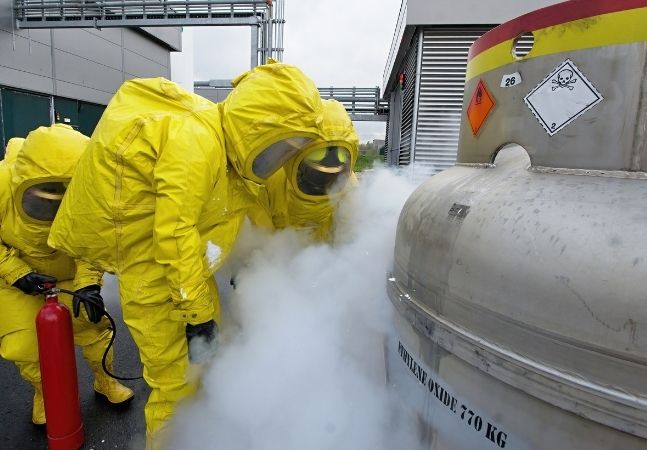
Environmental dangers are usually visible sources of pollution, such as smog over highways, wildfire smoke or emissions from industrial and chemical plants. Certain pollutants, though, such as ethylene oxide (EtO), a colorless, flammable gas, can remain undetectable without specialized monitoring. Ethylene oxide is used to sterilize medical equipment and manufacture industrial products like plastics and solvents. Research has linked prolonged exposure to EtO emissions with elevated cancer risks, raising concerns that communities residing near emitting facilities may face health consequences that may take years to emerge.
There is such a facility in Los Angeles, California, Sterigenics US, LLC. Such establishments, like others of their kind throughout the country, serve a critical role in ensuring that medical devices are free from harmful pathogens and safe for use. Despite the essential importance of sterilization, it is important for people to become aware of the dangers associated with the emission of ethylene oxide.
In 2016, the EPA re-evaluated the toxicity of ethylene oxide, concluding that prolonged exposure could increase cancer risks by as much as 60 times than previously estimated. Despite the significance of these findings, nearby communities were not broadly informed of the heightened risks. It was not until the EPA’s 2018 National Air Toxics Assessment that the full scope of potential exposure became apparent. The assessment identified many U.S. communities facing elevated cancer risks from ethylene oxide emissions. Some of the most alarming findings came from neighborhoods near sterilization facilities in Illinois and Texas, where modeled risks far exceeded federal benchmarks.
The Risk of Chronic Exposure to Ethylene Oxide
Probably one of the most alarming characteristics of ethylene oxide exposure is the fact that the health effects may not manifest until several years or even decades later. People who live close to sterilization plants might never experience symptoms immediately, allowing exposure to occur unnoticed while the associated cancer risks develop over time.
According to medical studies conducted by scientists, prolonged contact with high levels of ethylene oxide could result in different kinds of cancer, such as Non-Hodgkin’s lymphoma, as well as breast cancer. Cancers associated with environmental exposures may take years or even decades to develop, leaving residents in communities surrounding facilities like Sterigenics, in Los Angeles, with concerns about the long-term health implications of sustained exposure, including potential effects on their children and future generations.
Regulatory Shortcomings Put Communities at Risk of Cancer
While there have been efforts to tackle ethylene oxide pollution by regulatory agencies, there are still several regulatory shortcomings that continue to put people at risk. One of the key shortcomings is related to exemptions and regulatory relief for some facilities emitting ethylene oxide.
Despite years of mounting evidence regarding the risks associated with ethylene oxide exposure, recent EPA efforts to reconsider and potentially rescind portions of the agency’s 2024 commercial sterilizer rule threaten to weaken protections that were designed to reduce emissions by more than 90%.
It is worth noting that many communities do not benefit from real-time air monitoring that would help detect any changes in ethylene oxide emissions levels. Without this kind of monitoring, community members lack proper insight into what they breathe in.
Prevention Should Be the Priority in California
As scientific understanding of ethylene oxide continues to evolve, regulators and industry alike face a shared responsibility to minimize exposure and protect the health of nearby communities.
As the first move, the state needs to establish constant public air testing at those companies that emit this chemical. People shouldn’t have to rely on any sporadic testing results or lengthy official documents.
Establishing stricter limits and requiring regular assessments alone cannot reverse years of unmonitored exposure, and for many workers, the risk remains ongoing.
It is therefore essential to ensure that individuals who have already been exposed are provided with appropriate medical evaluations and long-term health monitoring. As the study of ethylene oxide further develops, agencies and industries work collaboratively toward minimizing exposure risks and protecting the health of the surrounding communities. Until proper measures have been put in place, many people in Los Angeles will be forced to live with doubts about their health and future.
About the Author
Jordan Cade is an attorney at Environmental Litigation Group, P.C., a firm in Birmingham, AL, representing victims of toxic exposure nationwide, including communities affected by ethylene oxide emissions in California.
