


NEWYou can now listen to Fox News articles!
A new injectable therapy is showing positive results in reducing melanoma throughout a five-year period.
The personalized mRNA cancer therapy, called intismeran autogene, combined with the cancer immunotherapy drug KEYTRUDA (pembrolizumab), is a collaboration between Merck and Moderna.
The results from the phase 2b KEYNOTE-942 study were presented at the American Society of Clinical Oncology (ASCO) Annual Meeting in Chicago on May 27.
CLICK HERE FOR MORE HEALTH STORIES
After about a five-year follow-up, the combo drug was found to reduce the risk of melanoma recurrence or death by 49% compared to pembrolizumab alone.
The researchers analyzed data from 157 patients with high-risk stage 3 and 4 melanoma whose cancer had been removed via surgery. The participants were split into two groups — one received the combo therapy and the other only received pembrolizumab, according to a press release.
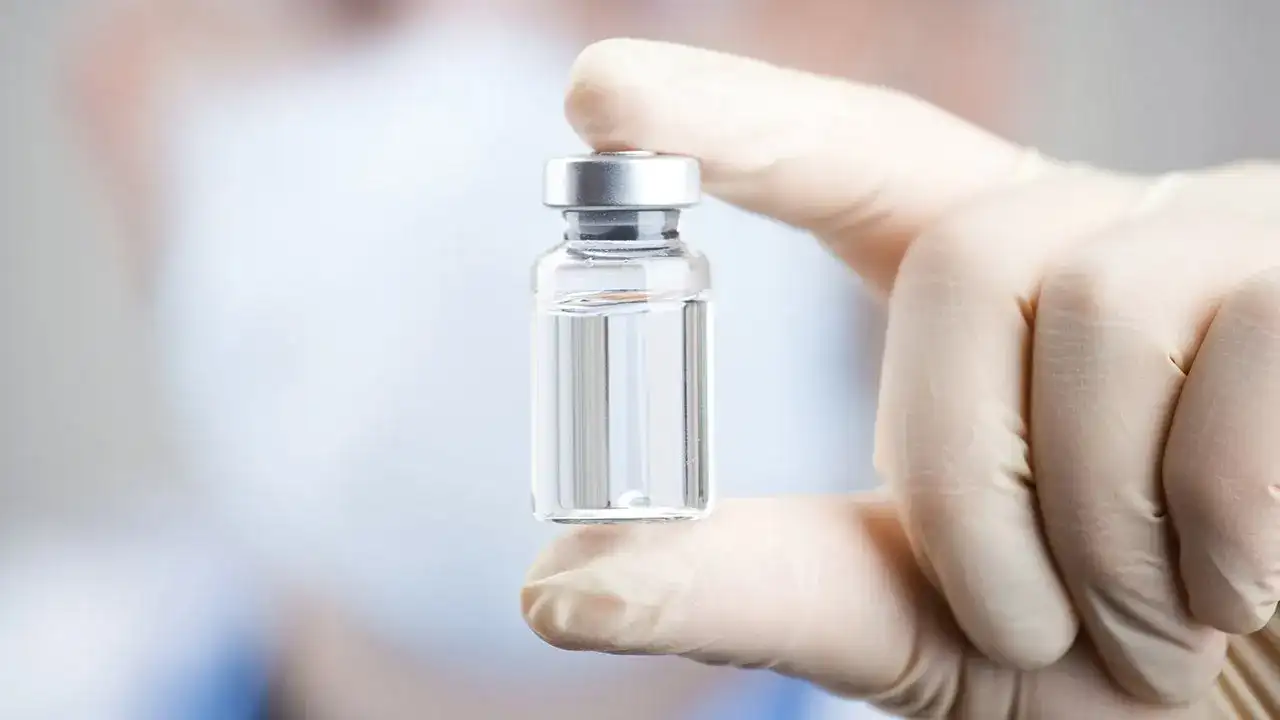
The therapy was found to reduce the risk of melanoma recurrence or death by 49% compared to pembrolizumab alone after a five-year follow-up. (iStock)
The findings revealed that the combination group saw benefits that were “sustained and durable over time.”
Intismeran autogene is designed using mutations identified in a patient’s own tumor, with the intention of teaching the immune system what the cancer looks like so that it can recognize and attack it.
CLICK HERE TO SIGN UP FOR OUR HEALTH NEWSLETTER
According to the researchers, intismeran is “well-tolerated” with a “manageable” safety profile.
The most commonly cited side effects of the personalized mRNA vaccine plus KEYTRUDA were fatigue, injection-site pain, chills, fever and headache. The researchers reported no new long-term safety concerns and no severe vaccine-related adverse events.
The combination therapy is currently being evaluated in a phase 3 study — the final confirmation stage.

Patients with late-stage melanoma have a “significant risk” of cancer recurrence, according to an expert. (iStock)
In a Merck press release from January, Kyle Holen, MD, Moderna’s senior vice president and head of development, oncology and therapeutics, noted that this data highlights the “potential of a prolonged benefit … in patients with resected high-risk melanoma.”
CLICK HERE TO DOWNLOAD THE FOX NEWS APP
“We continue to invest in our platform in oncology because of encouraging outcomes like these, which illustrate mRNA’s potential in cancer care,” he said.
Dr. Marjorie Green, senior vice president and head of oncology, global clinical development at Merck Research Laboratories, also commented that for many patients with stage 3 or 4 melanoma, there is a “significant risk of recurrence following surgery.”

Researchers confirmed that the combination therapy is currently being evaluated in a phase 3 study. (iStock)
“As such, demonstrating the longer-term potential of intismeran autogene and KEYTRUDA to reduce the risk of recurrence for certain patients with melanoma is a meaningful milestone,” she said.
TEST YOURSELF WITH OUR LATEST LIFESTYLE QUIZ
The company cited encouraging five-year follow-up data and pointed to upcoming late-stage INTerpath trial results with Moderna in several hard-to-treat cancers.
