


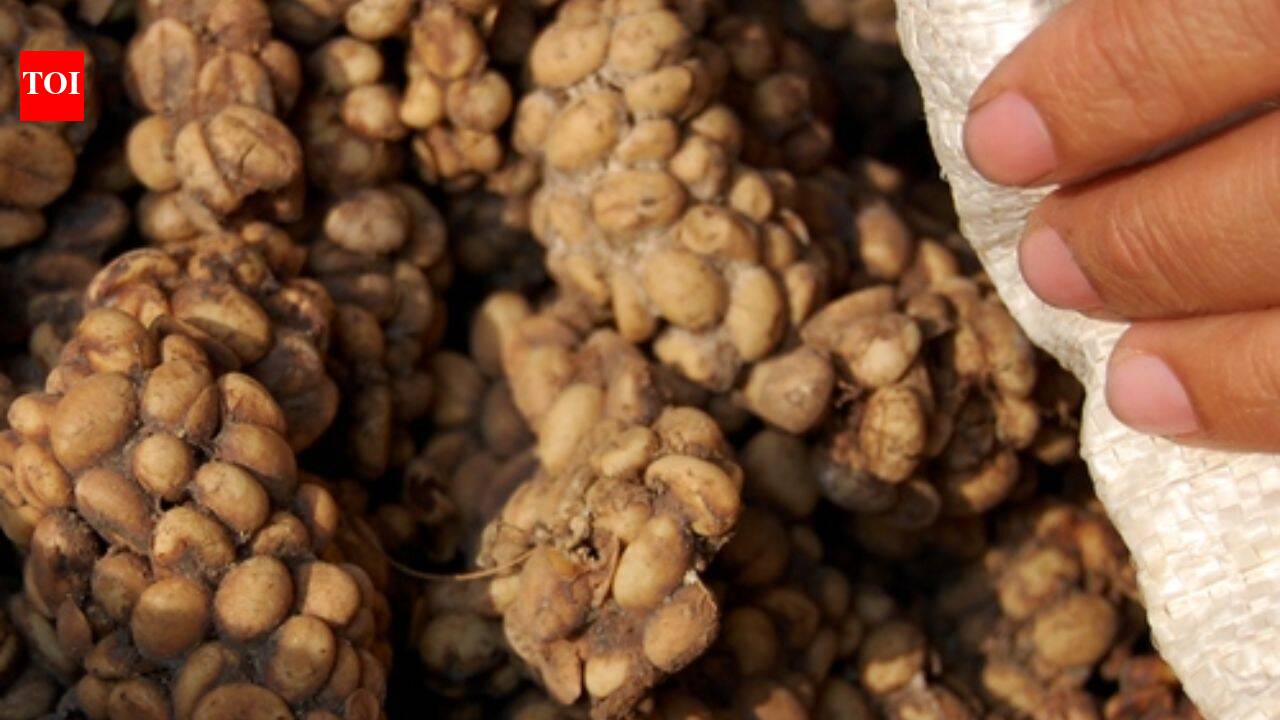
Kopi luwak is one of the world’s most unusual coffees because its production begins inside the digestive system of an animal. The coffee is made from beans eaten and later excreted by the ‘Asian palm civet,’ a small mammal found across parts of South and Southeast Asia. The ripe coffee cherries are consumed by the civet, while the beans inside pass through its digestive tract and emerge in its droppings. They are then collected, cleaned, dried, hulled, sorted and roasted. The unusual process has helped give kopi luwak a reputation as a luxury coffee with a distinctive flavour. However, the story behind the drink is more complicated than its exotic image suggests. Research has raised questions about whether digestion itself explains its qualities, while animal welfare investigations have highlighted serious concerns about how captive civets are treated.
How is Kopi luwak actually produced
The basic idea behind kopi luwak is remarkably simple. According to the study published in ‘Frontiers in Sustainable Food,’ coffee beans cultivated in Indonesia are eaten by the Asian palm civet, pass through its gastrointestinal tract and are then excreted in its faeces. The beans are subsequently cleaned and processed before being roasted. The process does not mean that the coffee bean is completely digested. Instead, the fruit surrounding the bean is consumed while the seed remains largely intact. The digestive process can nevertheless expose the bean to enzymes, acids and microorganisms.‘Pure Kopi Luwak’ describes a process in which collected beans need to be cleaned carefully and dried properly because excessive moisture can encourage unwanted fermentation. The producer also describes sorting as an important step because damaged or defective beans can affect the final taste. For coffee drinkers, that means the strange journey from cherry to cup does not end with the civet. Considerable processing still takes place before the beans become recognisable as coffee.
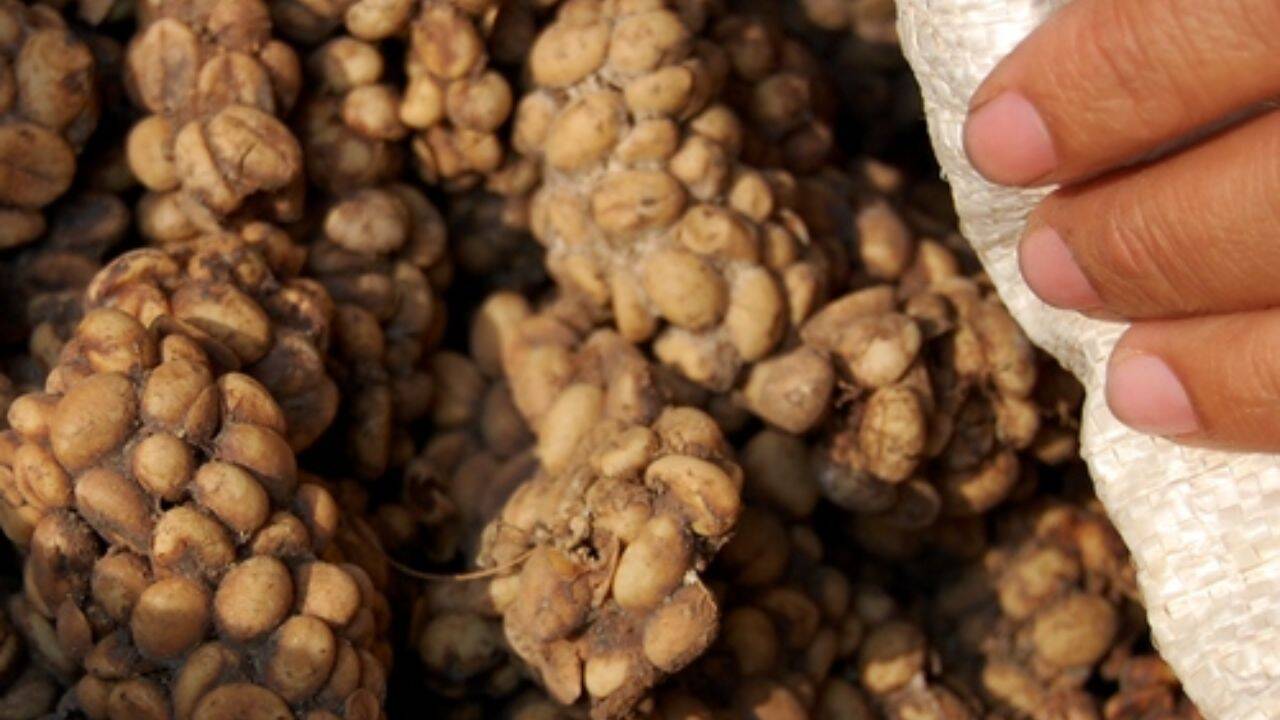
Kopi luwak, coffee seeds from faeces of palm civet in Lampung, Indonesia. Image Credit: Wikipedia
What happens to the beans inside the Civet’s stomach
The unusual reputation of kopi luwak comes largely from what happens during digestion. The Frontiers research explains that the digestive environment can expose coffee beans to acidic conditions, enzymes and microorganisms. These conditions can potentially affect compounds that later contribute to flavour when the beans are roasted. The study examined several components of Kopi Luwak, including caffeine, sucrose, chlorogenic acids, proteins and lipids. However, the same study produced a more complicated picture than the popular story that civet digestion automatically creates a uniquely superior coffee. The researchers found that the Kopi Luwak samples they examined generally had chemical compositions within the reported ranges for non-bioprocessed ‘Coffea arabica,’ although caffeine and chlorogenic acids were found at relatively low levels.Another paper titled ‘Digested Civet Coffee Beans (Kopi Luwak): An Unfortunate Trend in Specialty Coffee Caused by Mislabeling of Coffea liberica?,’ raises an even more fundamental question. Authors Dirk W. Lachenmeier and Steffen Schwarz argue that some earlier research may have incorrectly identified the coffee species used in Kopi Luwak. They suggest that some beans described as Coffea canephora may actually have been Coffea liberica. That matters because Coffea liberica naturally has a different flavour profile and high sugar content. The authors argue that some characteristics attributed to civet digestion could instead be connected to the coffee species itself, the ripeness of the cherries selected by civets and differences between control coffees.
Why has Kopi luwak become so expensive
Kopi luwak has built its reputation around rarity, unusual production and exclusivity. The Frontiers study notes that exotic coffees can command extremely high prices, with some selling for hundreds or even thousands of US dollars per kilogram. The unusual production process is part of the reason consumers associate these coffees with luxury. The idea is particularly appealing because civets naturally select ripe coffee cherries. Those cherries contain sugars, caffeine, lipids, proteins and other compounds that can influence the coffee produced after roasting. This gives kopi luwak an intriguing story that an animal selects the fruit, its digestive system becomes part of the processing chain, and the beans eventually become an expensive drink. Yet that story also raises an important question about what happens to the animals when demand for the coffee grows.
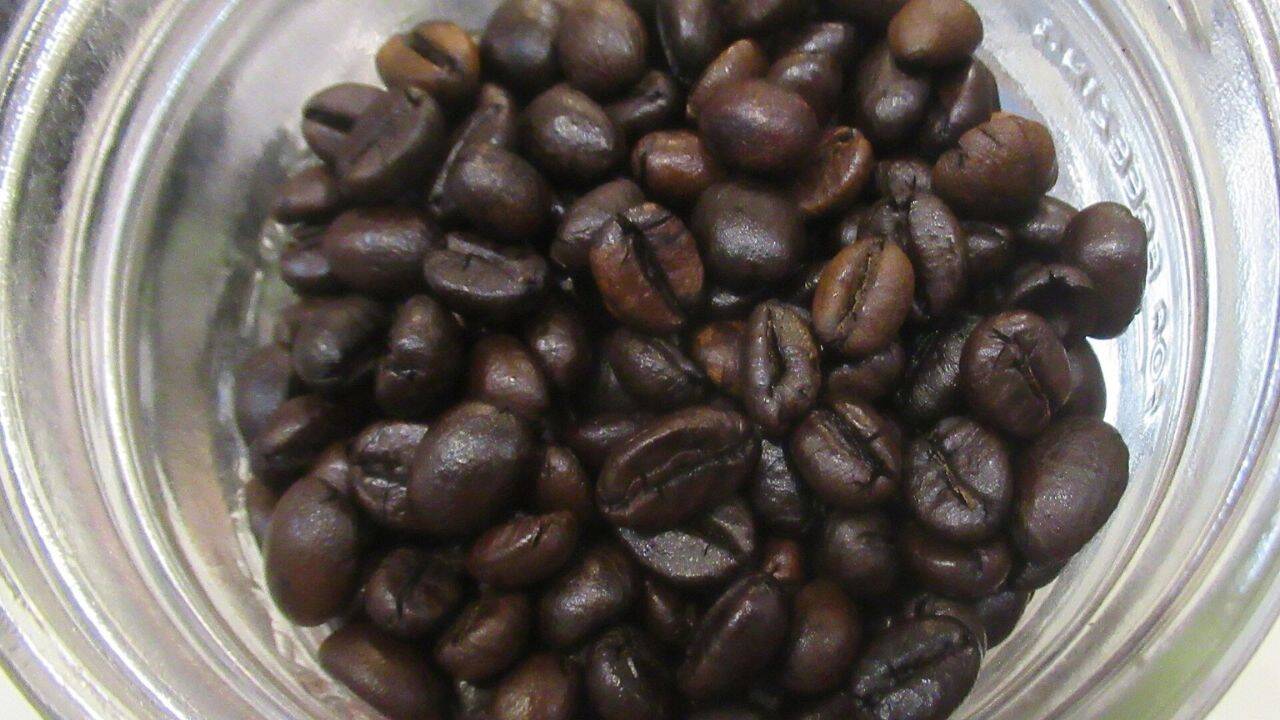
Roasted Palawan Kopi luwak. Image Credit: Wikipedia
What is the animal welfare problem behind kopi luwak
This is where the reputation of kopi luwak becomes much darker. A study published in the ‘Journal of Applied Animal Welfare Science’ reports findings from observations of 29 plantations in Bali. Researchers assessed 99 civets at plantations and examined factors including cage size, cleanliness, food, water, shelter, enrichment and opportunities for natural social behaviour. The findings were troubling. Plantation civets received an average husbandry score of just 2.2 out of 4. Most experienced only two of the four assessed freedoms, and none experienced all four. It also reports that captive civets were sometimes fed diets consisting mainly, or even entirely, of coffee beans, despite wild civets naturally having a much broader diet. Such restricted feeding can cause serious nutritional problems.The situation observed at wildlife markets was worse. Researchers documented 136 civets there, with an average husbandry score of only 0.55. More than 90% received none of the assessed freedoms, while only 15% were observed to have water in their cages. The study cautions that these observations involved plantations and markets where civets were available for viewing, meaning conditions at larger commercial farms could potentially be worse.
Does every cup of Kopi luwak involve a suffering civet
Not necessarily, and this distinction is important. The production described by ‘Pure Kopi Luwak’ focuses on beans collected from wild civets rather than animals kept in cages. Its account describes collectors gathering beans from forest floors and farm paths after civets have naturally deposited them. However, consumers cannot automatically assume that every product labelled kopi luwak comes from this type of collection. The welfare research study shows that captive production and civet tourism can involve significant animal suffering.Kopi luwak therefore remains a coffee surrounded by an unusual mixture of curiosity, science and ethical questions. Its journey through a civet’s digestive system certainly makes it unlike ordinary coffee, but research suggests that its distinctive character may not be explained by digestion alone. At the same time, the welfare of the animal behind the product can be a serious concern. For anyone considering a cup, the story of kopi luwak is therefore about much more than an unusual flavour, it is also about how that coffee was produced and what happened to the civet along the way.
