


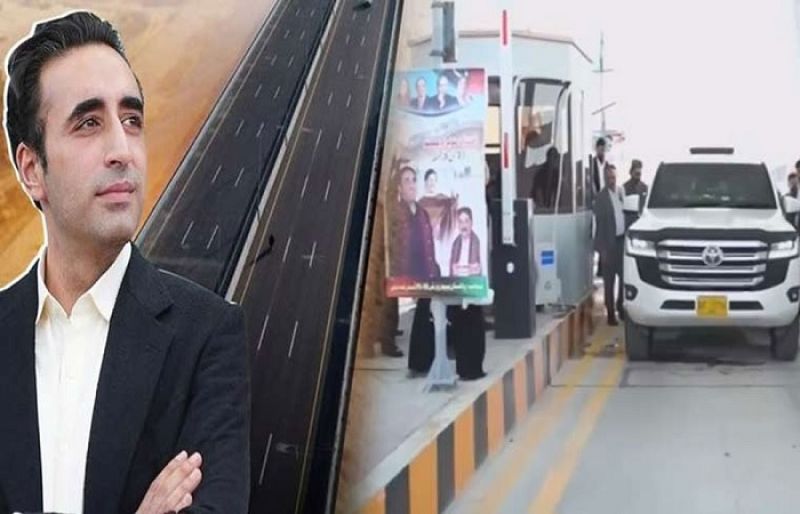
Pakistan Peoples Party (PPP) Chairman Bilawal Bhutto-Zardari on Friday pushed for Karachi’s increased participation in “Made in Pakistan” defence production sector, citing growing international demand for locally manufactured military equipment.
Addressing a ceremony after inaugurating Karachi’s Shahrah-e-Bhutto, the former foreign minister said that demand for Pakistan’s defence products had witnessed a historic increase after the country’s victory over India in the May 2025 war.
Several countries have shown interest in purchasing defence equipment from Pakistan, he said, adding that nations around the world preferred battle-tested military hardware.
“We want Karachi to contribute to Made in Pakistan defence production as well,” the PPP chief said.
The four-day war between the two nuclear-armed nations erupted on May 7 last year after India launched an unprovoked attack on Pakistan, following an attack on tourists in the Indian Illegally Occupied Jammu and Kashmir.
Pakistan — in its response to the illegal aggression — downed eight Indian fighter jets, including French-made Rafale, and dozens of drones.
Following Islamabad’s military success over India, several countries, including Iran, Bangladesh and Libya, reportedly expressed interest in purchasing Pakistan’s military equipment.
In January, Minister for Defence Production Raza Hayat Haraj confirmed that the country was in talks with several countries over potential agreements to sell JF-17 Thunder fighter jets, The News reported quoting BBC.
The victory in the May 2025 war also solidified Pakistan’s position on the global stage, with Islamabad emerging as a key mediator between the United States and Iran to resolve their disputes.
Meanwhile, the PPP chairman said that the burden of the Middle East conflict was being borne by poor citizens, who were already struggling with rising electricity and gas bills.
Bilawal said that peace in the region would help reduce economic difficulties, warning that continued conflict could further aggravate economic conditions.
“If the war does not end, the economic situation will become more serious,” he said.
The war in the Middle East erupted on February 28 after the US and Israel launched coordinated strikes on Iran.
Tehran responded by targeting Israel and US bases across the region, while effectively closing the Strait of Hormuz, resulting in a sharp increase in global oil prices.
