


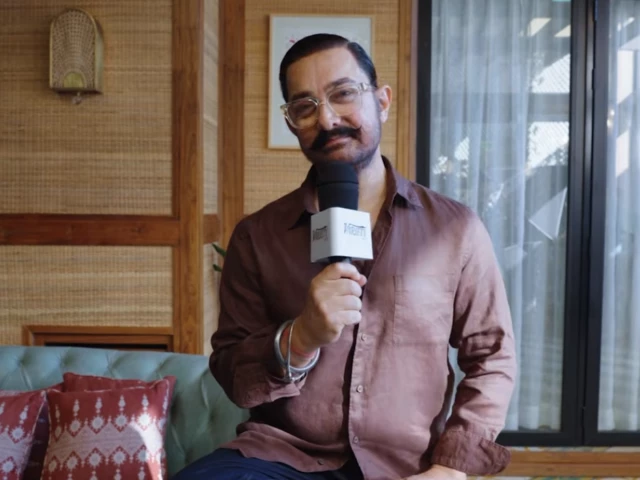
Indian actor says understanding why a film didn’t connect with viewers is like solving a puzzle
Indian actor and filmmaker Aamir Khan spoke about dealing with unsuccessful films, noting that accepting failure is the first and most important step. “The first thing I do is I accept it. It’s very important to accept what has happened. I feel when a film doesn’t work, the bottom line is simple — that it didn’t work,” he said.
Khan has built a strong reputation for delivering quality films, both as an actor and producer. However, not every project has succeeded at the box office. Despite putting his full effort into experimenting with different genres and subjects, the actor believes failure is an inevitable part of the creative journey.
In an interview with Variety India, the actor said that success and failure are both unavoidable when it comes to filmmaking and so, artists must come to terms with audiences not connecting with their work. Khan explained that once he accepts a film has failed, he tries to understand why it did not resonate with viewers, a process he described as analytical and fascinating, almost like solving a puzzle.
Further, he revealed that he often discusses films with his directors before release to assess whether they achieved what they originally set out to make. “Did we end up making what we set out to make? How successful do we think we are before the release?” he said, adding that such conversations are important for creatively judging a project.
Khan also recalled a key discussion he had regarding PK with filmmaker Rajkumar Hirani. The duo realised parts of the film’s second half carried thematic similarities to OMG — Oh My God!, which had been released shortly before PK.
Although the storyline was different, Khan said some themes overlapped, prompting him and Hirani to rework the latter half of the film. “Before the release, we were not totally happy with the film because the original second half was slightly different from what we have made,” he shared, adding that the revised version was the best they could manage within a limited timeframe.
The actor, thus, maintained that open and honest creative discussions with directors remain one of the most important aspects of his filmmaking process.
