


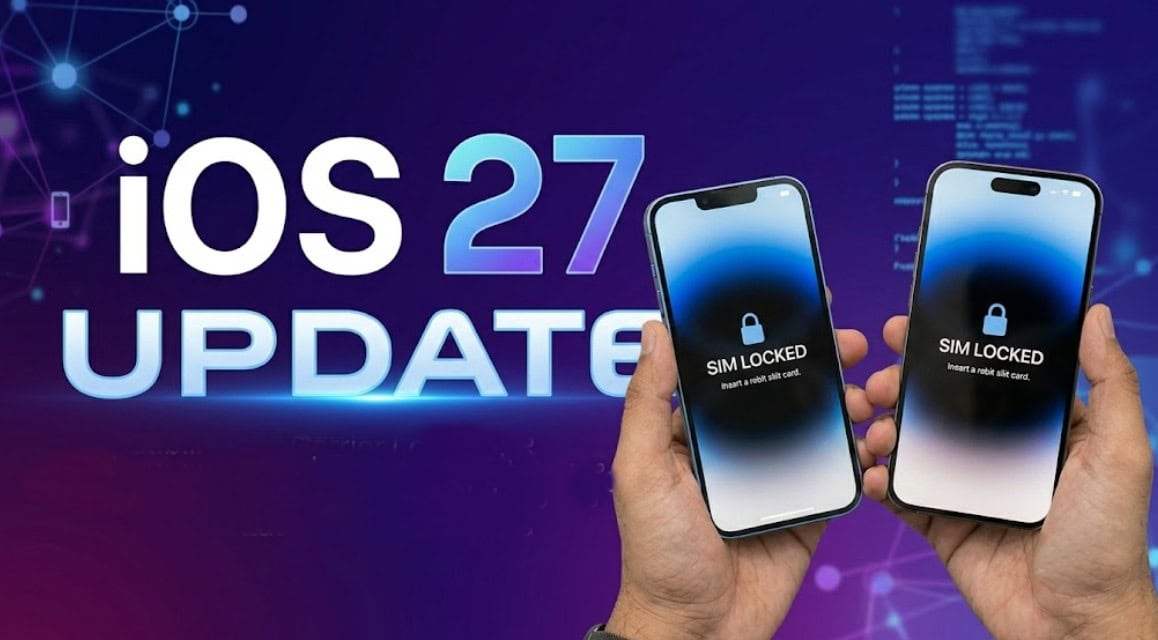
The current concern centers on claims circulating on social media that Apple’s latest software update introduces mechanism capable of remotely locking devices linked to unpaid carrier contracts, blacklisting, or lost-and-stolen reports. Some posts further allege that updating JV iPhones could result in permanent SIM restrictions or “bricking” of devices.
However, available user reports and discussions from recent iOS 27 beta testers suggest different picture. Many users in Pakistan and abroad claim their JV iPhones continue to function normally after updating, including models such as iPhone 11, iPhone 13, and newer variants. There is no verified evidence that all JV devices are being universally affected by any new locking mechanism.
Tech experts note that carrier-level locking systems already exist in principle and are typically controlled by telecom operators rather than Apple itself. If any stricter enforcement system is introduced in future software versions, it would likely target specific categories such as blacklisted IMEIs, unpaid installment devices, or phones flagged by carriers, rather than all JV units broadly.
Some users also discuss majority of JV iPhones sold in Pakistan operate using carrier workarounds or SIM bypass solutions, which are inherently less stable than factory-unlocked or PTA-approved devices. Experts say these devices already carry risks, including network failure after updates, patch breakdowns, or IMEI-related restrictions, independent of any new software changes.
Despite the online panic, no official statement from Apple or Pakistani regulatory authorities has confirmed the existence of a universal “Finance Lock” affecting JV iPhones on iOS 27. In fact, several users and retailers describe the current situation as rumor-driven, amplified by social media speculation and concerns over rising iPhone prices.
For now, it is clear that JV iPhones are not being universally disabled by iOS 27. While risks remain for certain carrier-restricted or blacklisted devices, the broader claim of mass locking appears unverified. Users are being advised to verify IMEI status, avoid panic-based updates, and rely on confirmed information rather than viral social media posts.
