


How Highwall Stabilization Prevents Acid Mine Drainage
Learn how engineers use geotechnical reinforcement and chemical sealing to block acid mine drainage at the source and protect global water supplies.
Pollution linked to mining often begins with a simple reaction, and the impact reaches both the environment and people when contaminated waterways enter drinking supplies, touch the skin or move through irrigation systems into food crops. Environmental damage on this scale pushes mining engineers to focus on prevention. One widely used solution is highwall stabilization.
What Is Highwall Stabilization?
Highwall stabilization is a method used to make exposed rock faces safer and less reactive. It works by sealing sulfide-rich surfaces, preventing air and water from reaching them.
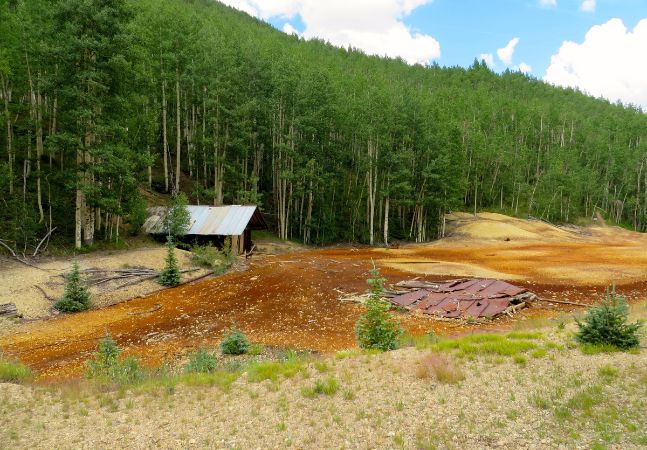
The initial pollution occurs when minerals rich in sulfur in exposed rock come into contact with air and water. This reaction forms sulfuric acid. It dissolves metals such as iron, copper, and arsenic, forming acid mine drainage (AMD). The curry-colored water does more than just stain rivers and seas. Its acidity devastates wildlife that are largely dependent on aquatic environments.
Highwall stabilization stops this reaction at its source. Without oxygen and water, the chemical reactions that create acid runoff slow down or stop. It also helps prevent loose deposits from falling and causing erosion. Over time, it creates a more stable environment that reduces the risk of contamination spreading to nearby soil and water.
What Strategies Stabilize Mining Highwalls?
Engineers use several approaches. They might cover the bedrock with soil, clay or special liners. Sometimes they apply chemical coatings or alkaline agents that neutralize acidity.
They may also reshape slopes to reduce landslides and erosion or add vegetation to keep water from seeping through. The goal is to transform reactive, hazardous rock into a stable surface that no longer threatens water, soil or nearby communities.
Geotechnical Reinforcement
These efforts strengthen the physical rock structure to prevent collapse and limit exposure:
- Rock bolting and anchoring: Long steel bolts or cables drill deep into the rock face and tensioned. This fastens unstable outer layers to more stable, deeper bedrock, increasing the overall strength of the rock mass.
- Shotcrete application: Nozzlemen spray a layer of concrete at high velocity onto the highwall. This seals cracks, prevents small-scale rockfalls and protects the exterior from weathering and erosion. Adding fibers makes concrete even stronger and more flexible, so it can bend under pressure rather than breaking like normal concrete.
- Wire mesh and netting: High-strength steel mesh drapes over the rock face and is secured in place. This doesn’t support the wall itself, but contains any material that breaks loose so it doesn’t fall to the mine floor.
- Re-grading and re-sloping: Excavation physically reduces the angle of the highwall. A less steep slope is naturally more stable and less prone to failure.
- Dewatering and drainage control: Companies install drainage systems to divert surface water and drain groundwater from behind the highwall. This reduces water pressure within the rock, which is a major cause of instability.
- Backfilling: Crews place waste rock and tailings from the mining operation against the base of the highwall. This provides a substantial buttress, physically supporting the wall and preventing collapse. Soil erosion or inadequate compaction can allow moisture to seep through, increasing the risk of leaching.
Chemical and Surface Stabilization
Aside from physical mitigation, treating the exposed rock with protective coatings and reactive compounds helps block acid-producing reactions and prevent metal leaching:
- Chemical passivation: This method focuses on controlling oxidation. A thin layer of chemical agents, like potassium permanganate, applied to the highwall reacts with the mineral surfaces. This creates a thin, non-reactive coating that acts as a barrier, preventing the reactions that cause acid mine drainage.
- Polymer sealants: Crews spray a liquid polymer resin onto the rock face, where it cures into a durable, impermeable physical barrier. The coating stops water and oxygen from reaching the reactive minerals, similar to painting or waterproofing a surface.
- Alkaline neutralization: An alkaline substance, like a magnesium oxide or lime slurry, is sprayed onto the wall. While it doesn’t stop acid formation, it raises the pH and neutralizes any emerging acid. Laboratory testing also reveals it removes over 99% of iron, aluminum, zinc and lead, along with other metals and sulfates from AMD.
Biological Support
Bioengineering techniques use plants and natural processes to support highwall stability and limit water penetration.
For example, revegetation is a process where the highwall, particularly if it has been regraded with a topsoil layer, is planted with specific grasses, shrubs and trees. The root systems bind the surface material together, reducing erosion from wind and rain, while the plant cover helps manage water infiltration.
Why Mining Must Prevent Further Acid Mine Drainage Now
Efforts to reinforce highwalls are key to halting the ongoing effects of acidic discharge, especially as real-world events have shown how destructive AMD and related mine-waste failures can be.
In February 2025, a tailings dam at a copper mine in Zambia failed, spilling approximately 50,000 tonnes of acidic, metal-contaminated waste into the Kafue River. Reports from the scene described dead fish washing up, water becoming undrinkable and crops being destroyed almost immediately after the spill. The heavy metals in the mud will continue to fuel a second wave of pollution as leachates spread, posing risks to human health.
Other AMD problems endure for years. At the Gold King Mine spill site in Colorado, contaminated water continues to turn rivers yellow‑orange a decade after the initial release and local communities still seek long‑term solutions.
These local and global cases underline why mining operations must address AMD early, not only to protect ecosystems but also to safeguard water resources and community health. Strong environmental practices reduce the lasting legacy of extraction operations and keep vital watersheds healthy and usable for future generations.
Putting Environmental Responsibility into Practice in Mining
Modern operations must prioritize practices that reduce acid mine drainage discharges and limit tailings contamination. Real-world cases show how quickly water, wildlife and communities can be affected when safeguards are ignored.
By implementing highwall stabilization and related measures, mining companies help ensure that the materials driving global innovation do not come at the expense of human health or environmental integrity. Protecting ecosystems, local communities and the water they depend on is a core part of sustainable mining and a commitment to the people and world that rely on these resources.
