


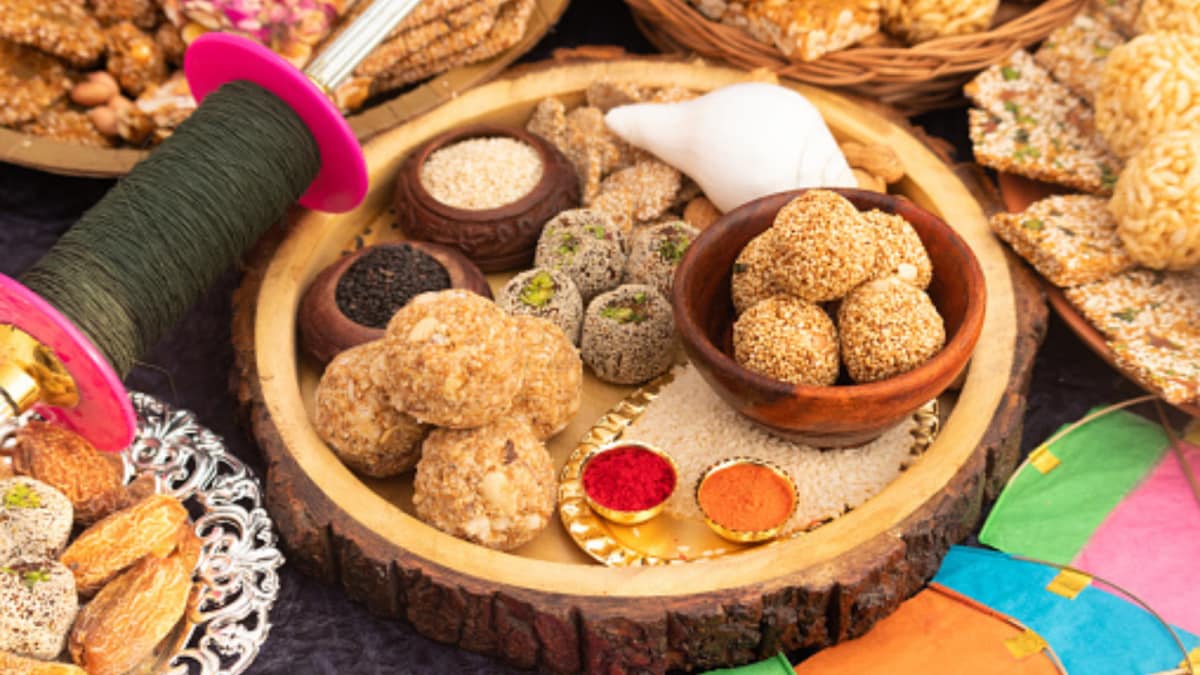
Poush Sankranti is being observed across the country on Wednesday, marking the final day of the Poush month. With this, the month of Magh begins. On this day, the Sun enters the Capricorn zodiac sign, which is why it is also known as Makar Sankranti. The occasion holds great significance in astrology, culture, and tradition.

According to astrologer Chakrapani Bhatt, the customs followed on this day are closely linked to seasonal changes, Ayurveda, and astrological beliefs. Specific rules are observed, especially regarding food and rituals.

Many households perform Lakshmi Puja on Makar Sankranti, while some also conduct Satyanarayan Puja. Alongside worship, traditional sweets are prepared and shared. However, it is believed that consuming certain foods on this day can bring misfortune, illness, or financial difficulties to the family.

Non-vegetarian food is strictly avoided, as it is believed to block the blessings of Goddess Lakshmi and invite poverty and hardship. Eating burnt or overcooked food is also considered inauspicious.
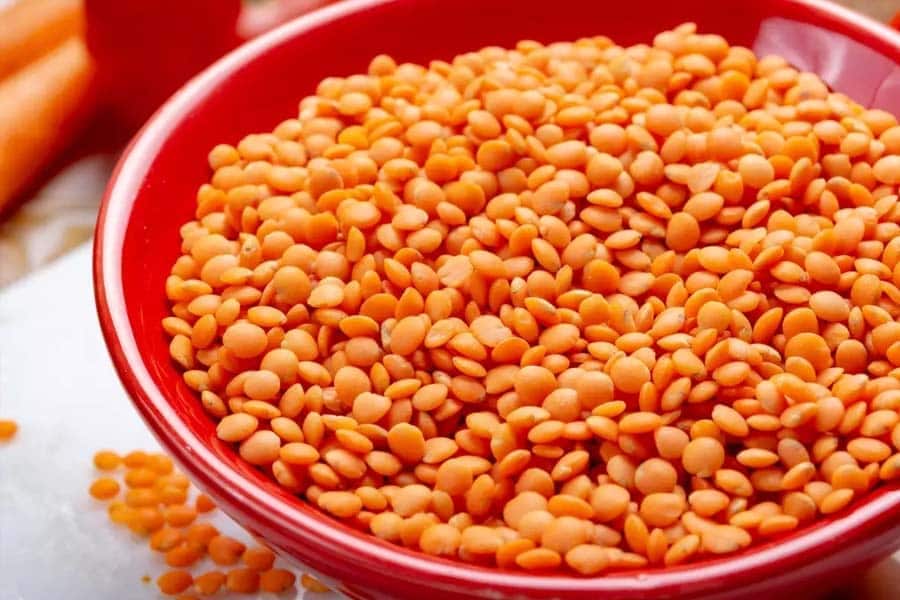
Masoor dal is regarded as impure and should not be consumed on this day. Similarly, red spinach and Malabar spinach are avoided, as these leafy vegetables are believed to be unsuitable for the occasion.
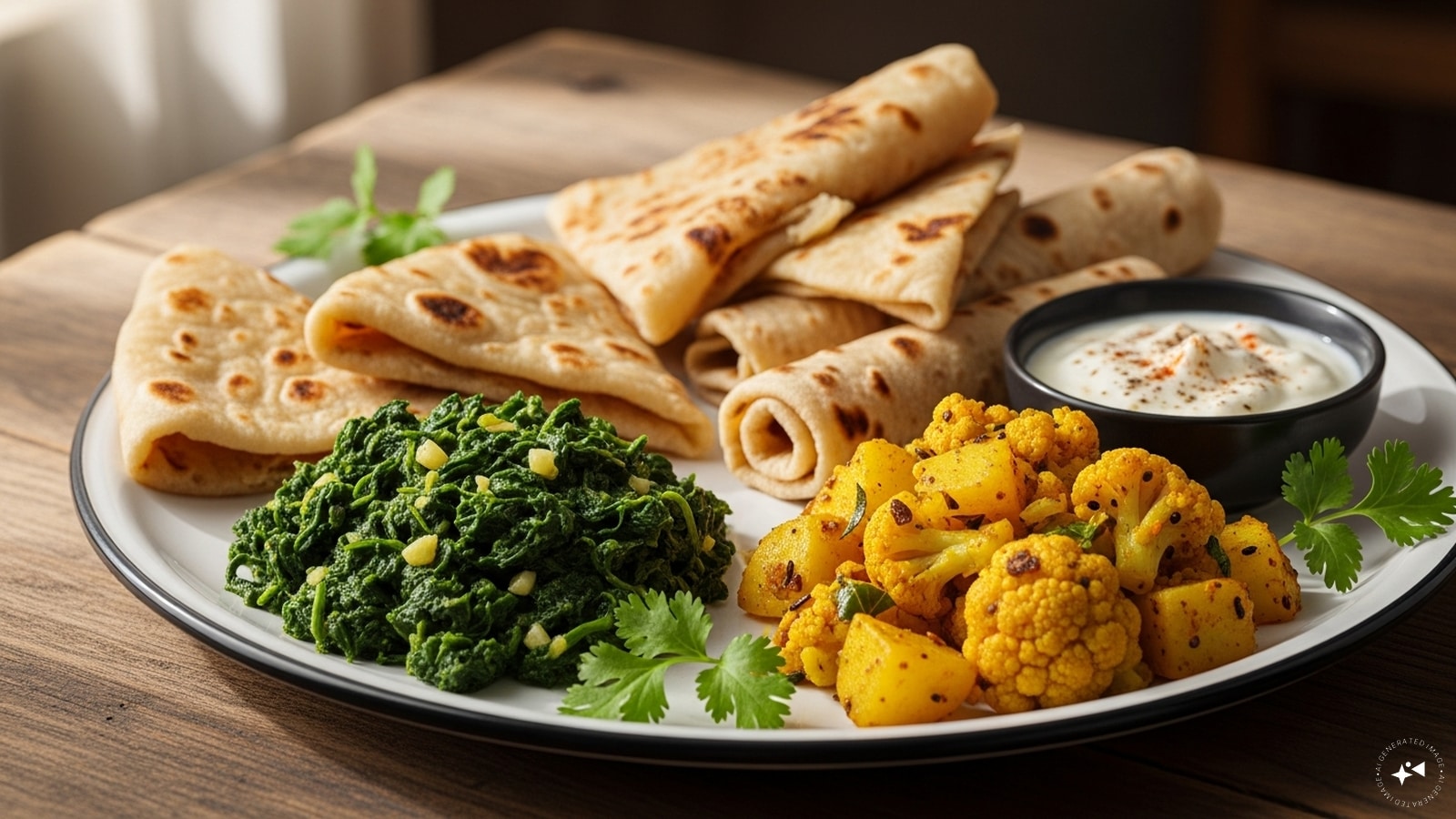
Foods made from five types of grains, as well as items prepared from them, should not be eaten on Poush Sankranti. This means regular meals such as rice and roti are avoided.
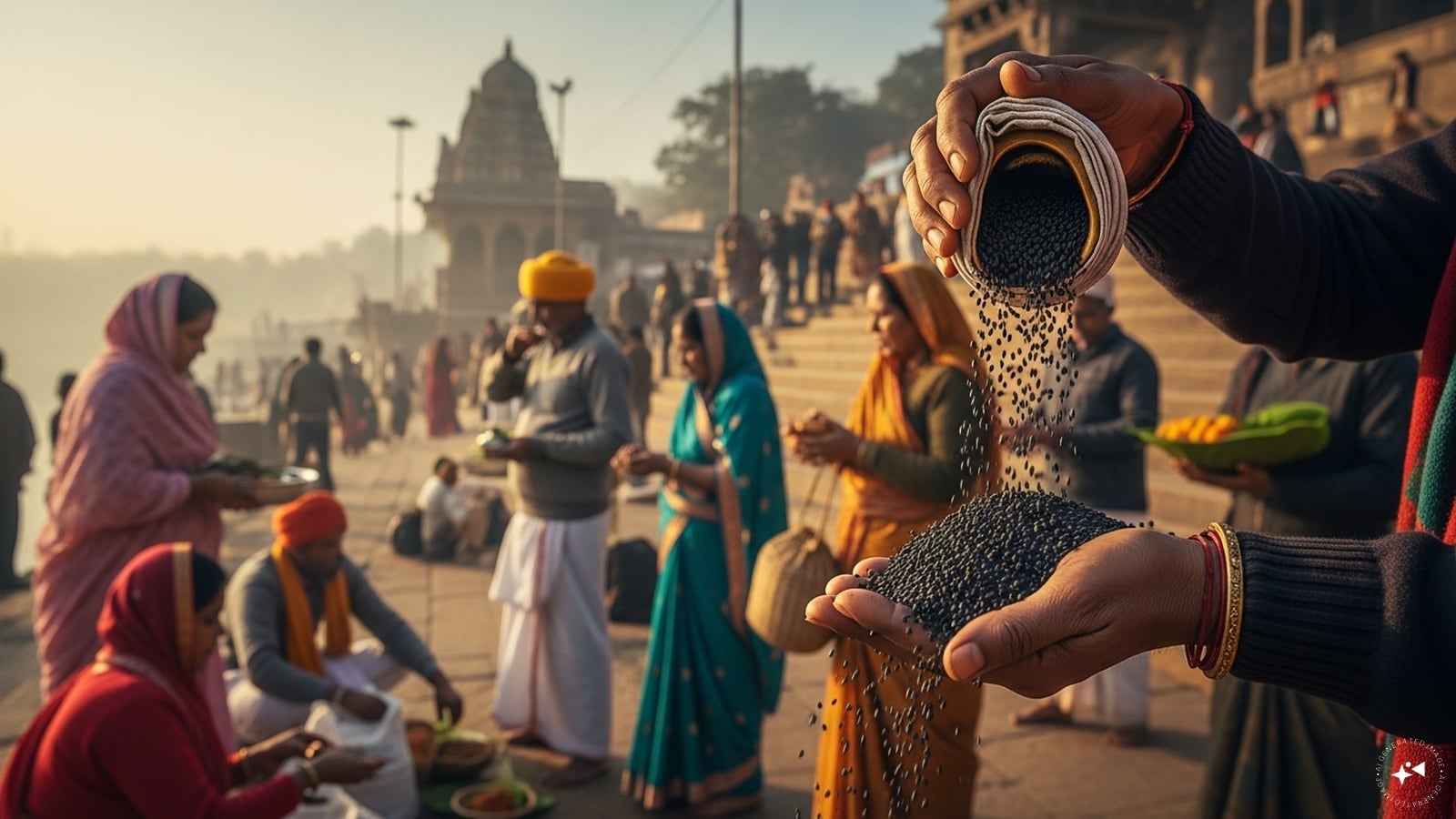
Donating black sesame seeds on Makar Sankranti is considered highly auspicious. Many people also mix sesame seeds in their bath water and bathe with it to invite good fortune. Sesame seeds are used in worship and given to the poor, and therefore, they should not be consumed in any form on this day.
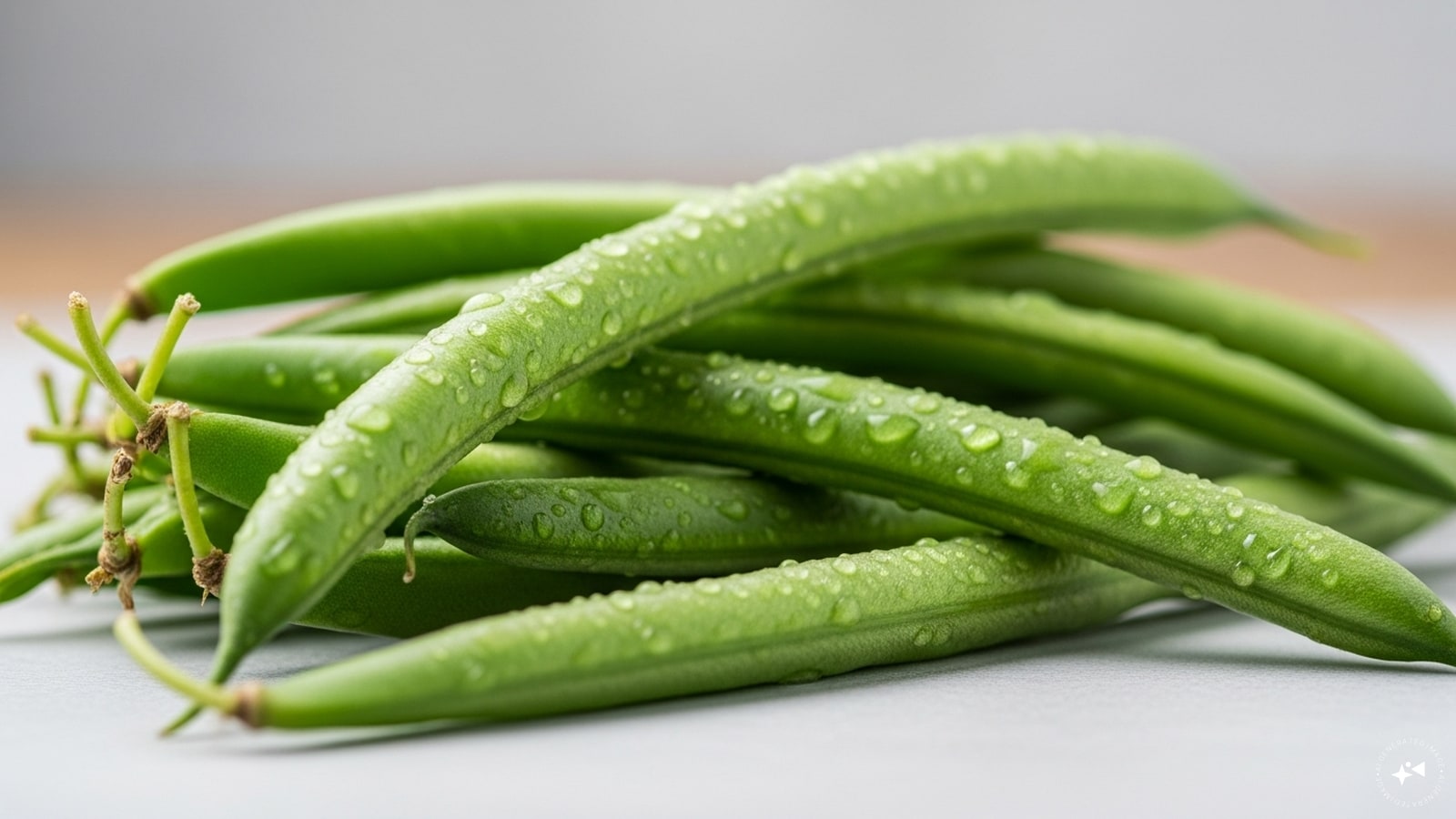
Vegetables that contain seeds, such as beans, long beans, and pointed gourd, should also be avoided.

In addition, common items like curd and cumin are not recommended for consumption on this auspicious day.
