



Supports Heart Health: Hazelnut are rich in healthy monounsaturated fats that help reduce bad cholesterol levels and support cardiovascular health. They also contain magnesium and antioxidants that promote healthy blood circulation, lowering the risk of heart disease when consumed regularly. (Image: AI Generated)
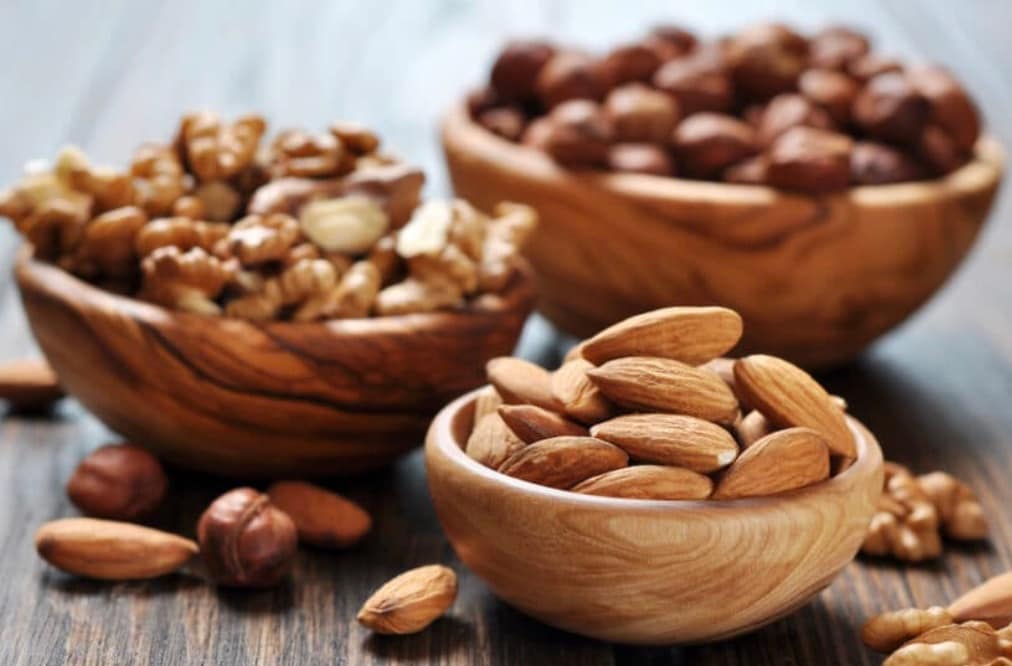
Boosts Brain Function: Hazelnuts contain vitamin E, healthy fats, and antioxidants that support brain health. These nutrients help protect brain cells from oxidative stress and may improve memory and cognitive performance, making hazelnuts a beneficial snack for maintaining mental sharpness. (Image: AI Generated)

Improves Skin Health: Packed with vitamin E and antioxidants, hazelnuts help protect the skin from damage caused by free radicals and environmental stress. Regular consumption may promote healthier, glowing skin while supporting the body’s natural ability to repair and maintain skin cells. (Image: AI Generated)

Supports Digestive Health: Hazelnuts contain dietary fiber, which is essential for maintaining a healthy digestive system. Fiber supports regular bowel movements, promotes gut health, and helps beneficial bacteria thrive, contributing to better digestion and improved overall well-being. (Image: AI Generated)

Strengthens Bones: Hazelnuts are a good source of minerals such as magnesium, calcium, and phosphorus, which are important for bone strength. These nutrients help maintain bone density and support skeletal health, reducing the risk of bone-related issues over time. (Image: AI Generated)

Helps Control Blood Sugar: The healthy fats and fiber found in hazelnuts help regulate blood sugar levels by slowing down the absorption of carbohydrates. This can support stable energy levels and may be beneficial for people aiming to manage blood sugar effectively. (Image: AI Generated)

Provides Powerful Antioxidants: Hazelnuts are rich in antioxidants that help protect the body from oxidative stress and inflammation. These compounds support overall health by protecting cells from damage and may contribute to lowering the risk of chronic diseases. (Image: AI Generated)
