


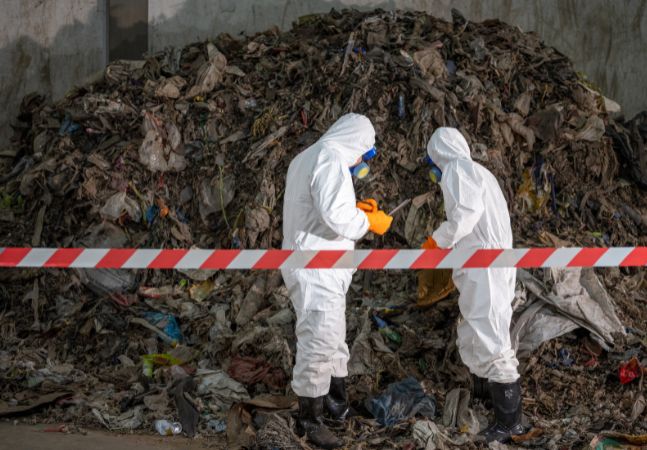
What Is Premises Liability for Environmental Incidents?
Premises liability for environmental incidents extends far beyond slip-and-fall hazards. From chemical spills and air emissions to legacy contamination, property owners and operators face regulatory, civil, and financial risks that demand proactive environmental risk management.
In the high-stakes world of environmental protection, where every acre of property can harbor unseen risks, premises liability for environmental incidents is a serious concern. It goes far beyond the typical slip-and-fall hazards. One mismanaged chemical drum, leaking underground tank, or forgotten waste pit can trigger lawsuits, regulatory fines, and costly cleanup efforts. For EHS professionals, understanding premises liability is not optional. It is a core responsibility that protects workers, communities, and the organization’s bottom line.
Premises liability requires property owners, operators, and lessees to take active steps to prevent harm. When applied to environmental incidents, this includes avoiding contamination of air, soil, and groundwater, whether from sudden accidents such as chemical spills or slow leaks from aging storage tanks. Ignoring these risks can cause long-term harm to human health and surrounding ecosystems.
Unlike simple injuries, environmental hazards often reveal themselves years later. Contaminated soil or water may not be detected for decades after a spill, yet the current owner may still face liability. This delayed impact makes proactive risk management critical. Compliance with environmental laws, hazard monitoring, and corrective action implementation is vital to reducing exposure.
Flying Debris and Hazardous Materials: Common Triggers
Commonly found in: industrial plants, chemical facilities, construction sites
Flying debris is a frequent environmental hazard. Heavy machinery, forklifts, and chemical-handling equipment can inadvertently release harmful particles into the air or soil. Small spills of solvents or acids may seem minor at first, but they can migrate and contaminate nearby groundwater or surface areas. Even short-term exposure to these materials can have long-term consequences, such as soil contamination that triggers regulatory fines or lawsuits.
Workers and contractors can inadvertently worsen these incidents. Without proper storage or handling protocols, a dropped container or a punctured tank may cause leaks that go undetected. Continuous monitoring and regular inspections can detect these problems early, limiting both environmental damage and liability exposure.
Chemical Releases and Storage Failures: Silent Threats
Commonly found in: manufacturing plants, laboratories, waste processing facilities
Chemical leaks or mismanaged storage tanks are often the silent triggers of premises liability. Aboveground storage tanks (ASTs) or leaking drums can violate federal and state regulations if not properly maintained. Hazardous spills may contaminate soil, water, and air, creating legal and financial liabilities that far exceed initial operational costs.
Slow leaks can be even more dangerous than sudden releases. A hidden tank crack may allow contaminants to migrate undetected for years. Early detection through regular inspections, monitoring equipment, and automated alert systems can prevent disasters. Documentation of maintenance and safety measures also strengthens the defense in the event of investigations or lawsuits.
Air Emissions and Runoff Violations: Hidden Risks
Commonly found in: industrial sites, factories, chemical plants
Air emissions violations and stormwater runoff are common sources of environmental liability. Pollutants from machinery, chemical processes, or untreated water can enter the environment, affecting communities and local ecosystems. Even minor violations may trigger fines under the Clean Air Act or Clean Water Act.
Managing air quality and runoff requires continuous monitoring, accurate record-keeping, and employee training. Automated sensors and environmental management software help track potential violations before regulators intervene. When organizations act proactively, they reduce risk and build a stronger compliance record.
Legacy Contaminants and Property Transfers: A Long-Term Concern
Commonly found in brownfield sites, older industrial facilities, former manufacturing plants
Old properties often carry environmental risks from decades of industrial use. Asbestos, lead, mold, and hidden chemical residues can all give rise to premises liability claims against current owners. Even if the contamination occurs under a previous owner, liability is often transferred to the current operator. Victims affected by these hazards can seek medical care for injuries to ensure they receive appropriate medical care and legal compensation.
Phase I and II Environmental Site Assessments (ESAs) are critical during property acquisition or lease agreements. These assessments identify potential liabilities before purchase or occupation, allowing mitigation plans to be implemented. Proactively addressing legacy contamination helps avoid costly surprises and maintain safe operations.
Regulatory Oversight and Civil Liability: The Triple Risk
Commonly found in: any property with industrial activity
Premises liability combines three layers of risk: regulatory enforcement, civil lawsuits, and remediation obligations. Agencies such as the EPA or state environmental authorities may issue fines, mandate operational changes, or order cleanups. Neighbors or third parties may file lawsuits claiming health impacts or property devaluation. Finally, remediation can cost hundreds of thousands to millions of dollars, depending on the severity of contamination.
Understanding and documenting compliance steps reduces risk. Organizations that maintain detailed inspection logs, training records, and monitoring reports have stronger defenses in both regulatory and civil matters. Risk management is not just about avoiding penalties; it protects the company’s reputation and operational continuity.
High-Tech and Proactive Defenses: Minimizing Liability
Commonly found in: modern industrial facilities, chemical plants, and laboratories
Forward-looking companies use technology and proactive strategies to minimize environmental risks. Real-time gas detectors, AI-powered monitoring, and automated alerts help detect leaks or spills before they escalate. Routine employee training in chemical handling, spill response, and waste disposal reduces human error.
Insurance also plays a role. Specialized Environmental Premises Liability coverage protects organizations against unforeseen events that may go undetected. Combined with strict protocols, this coverage gives companies confidence to operate safely while demonstrating due diligence to regulators and stakeholders.
Conclusion: Protecting People, Property, and Planet
Premises liability for environmental incidents is not just a legal requirement. It is a framework for responsible operations. From chemical spills and legacy contamination to air and water pollution, hazards are everywhere in industrial environments. Active risk management, regular inspections, technology integration, and proper documentation allow organizations to reduce incidents, protect workers, and comply with regulations.
For EHS professionals, understanding these risks is central to organizational resilience. The goal is to transform hidden threats into manageable risks through proactive measures. By acting before accidents occur, companies safeguard their assets, communities, and ecosystems. Premises liability is not just about avoiding fines. It is about creating a culture in which environmental safety is embedded in every operational decision.
