


Last Updated:
From Basmati to Wild rice, these five variants have a lower glycemic index and may help people to manage their diabetes better



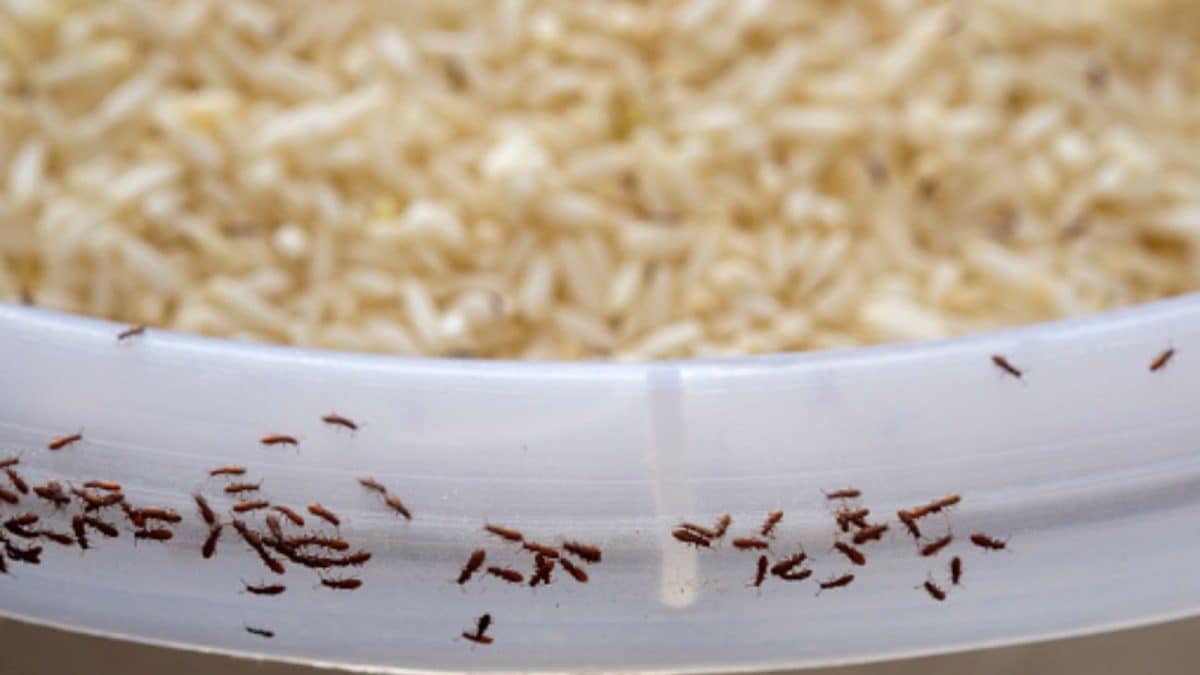
White rice has a glycaemic index (GI) of 70–90, which is high. Photo: Getty Images
Many people grow up eating rice every day, especially dishes like dal-chawal that feel comforting and familiar. But for those with diabetes, or a family history of it, rice choices often come with worry. White rice is filling and tasty, but it can also cause sudden spikes in blood sugar.
As nutritionist Karishmma Chawla explains, not all rice varieties affect the body the same way. Some varieties have a lower glycaemic index (GI), which means they raise blood sugar more slowly. These options can help people enjoy rice while still keeping their sugar levels under control.
What Does Glycaemic Index Really Mean?
The glycaemic index, or GI, shows how fast a food increases blood sugar after eating. Foods with a high GI are broken down quickly, leading to sharp sugar spikes. Low-GI foods digest slowly and release sugar at a steady pace.
“White rice has a glycaemic index (GI) of 70–90, which is high. This means it can quickly raise blood sugar levels,” says the nutritionist as quoted by the Hindustan Times. This is why white rice is often not advised for people managing diabetes.
Which Rice Works Better For Blood Sugar Control?
If you are trying to cut down on white rice, these five rice options may be easier on your blood sugar levels.
- Red rice: It is both colourful and nutritious. “Its glycemic index is 45-52, making it suitable for managing blood sugar levels,” nutritionist Karishmma Chawla told Health Shots. It is rich in fibre, protein, and antioxidants, which help reduce inflammation and support insulin function. Its mild nutty taste works well in salads and simple meals.
- Black rice: Often called forbidden rice, black rice is packed with nutrients. “Its glycemic index ranges from 35 to 45,” said Chawla. It is high in fibre and antioxidants that help fight oxidative stress. The dark colour shows its rich nutrient content, and it can be used in salads or simple side dishes.
- Brown rice: It is a popular alternative to white rice. It has a glycemic index (GI) of about 50, which means it digests slowly and helps keep blood sugar stable. It contains fibre and minerals that support heart health and steady sugar levels, making it suitable for daily meals.
- Basmati rice: It is commonly used in Indian cooking. “White basmati has a glycemic index of about 58, while brown basmati is slightly lower,” the nutritionist added. Brown basmati keeps its outer layer, which adds fibre and nutrients. Pairing it with vegetables or protein makes it a better choice.
- Wild rice: It is actually a grass seed, not true rice. “It has a low glycemic index of 35-40, which is beneficial for your health,” Chawla explained. A half-cup contains fewer carbs and some fibre, which helps control sugar levels and keeps you full for longer. It goes well with vegetables and grilled foods.
January 18, 2026, 13:57 IST
