



Feeling hungrier in winter is a mix of biology, psychology, and culture. Higher energy demands, hormonal shifts, reduced sunlight, and festive traditions all contribute to stronger cravings. While indulging in seasonal foods is natural, balancing meals with hydration, mindful eating, and regular activity can help manage appetite healthily. (Image: AI-Generated)
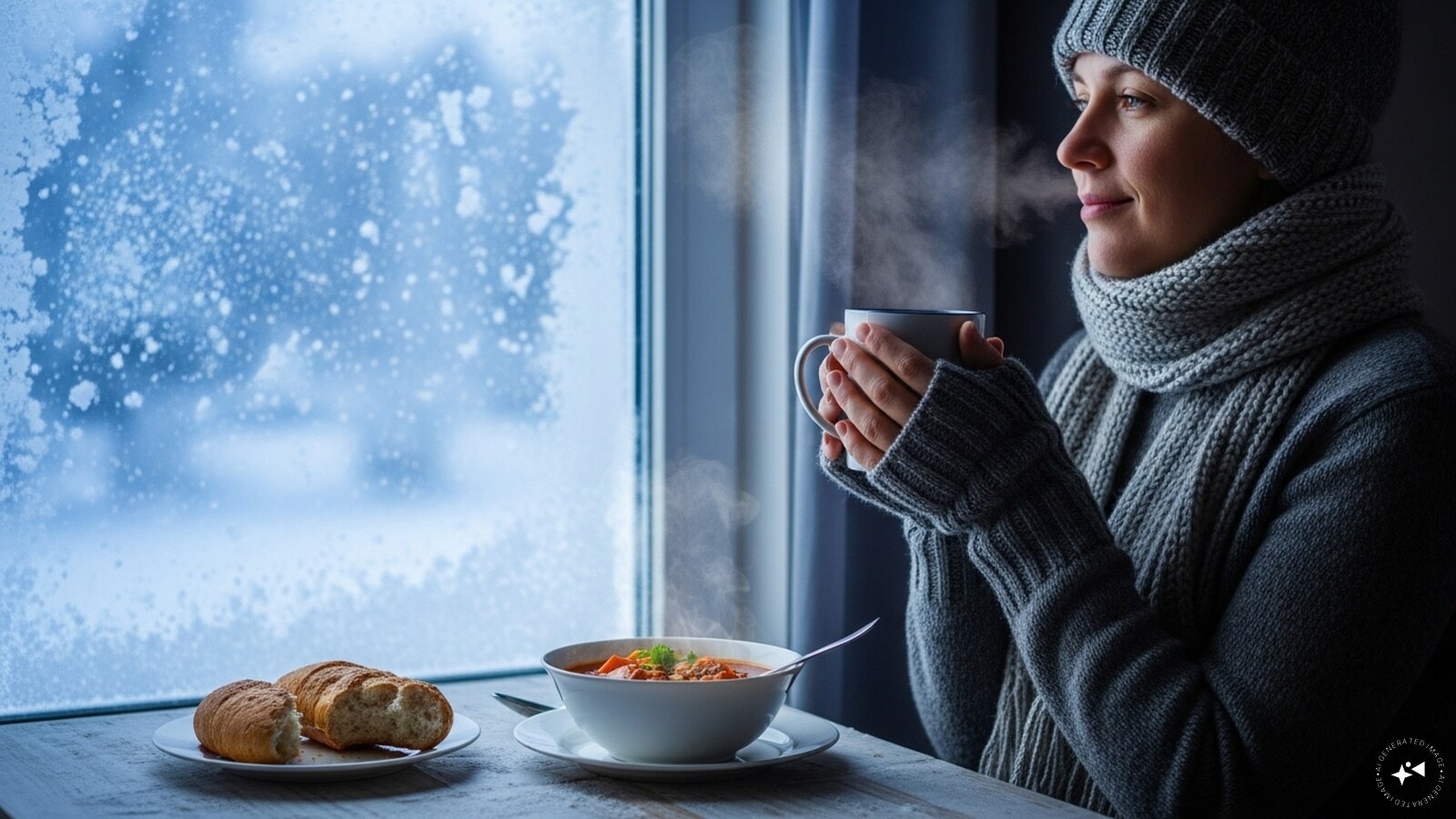
Higher Energy Demand: Cold weather forces the body to work harder to maintain its core temperature. This increases calorie expenditure, which in turn triggers hunger signals. Eating more helps replenish the energy used to keep warm, making winter cravings a natural biological response. (Image: AI-Generated)
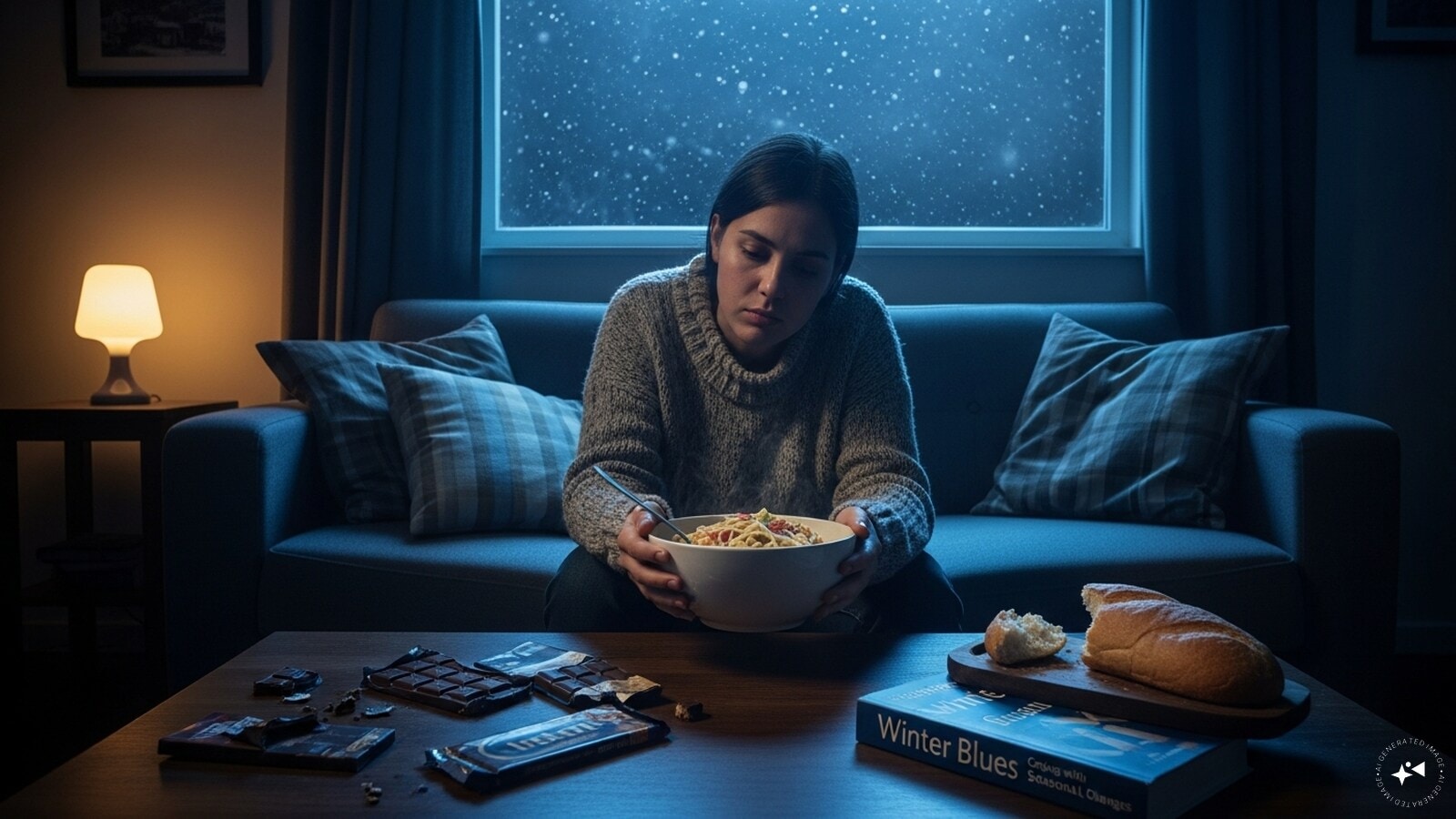
Hormonal Changes: Winter brings shorter days and less sunlight, which can lower serotonin levels in the brain. Serotonin regulates mood and appetite, so when it dips, we often crave carbohydrate‑rich foods like bread, pasta, and sweets. These foods temporarily boost serotonin, explaining why comfort meals feel irresistible. (Image: AI-Generated)

Reduced Sunlight and Vitamin D: Limited exposure to sunlight also reduces vitamin D production. Low vitamin D levels can affect metabolism and appetite regulation. As a result, people may feel hungrier and more inclined to eat larger portions during darker months. (Image: AI-Generated)
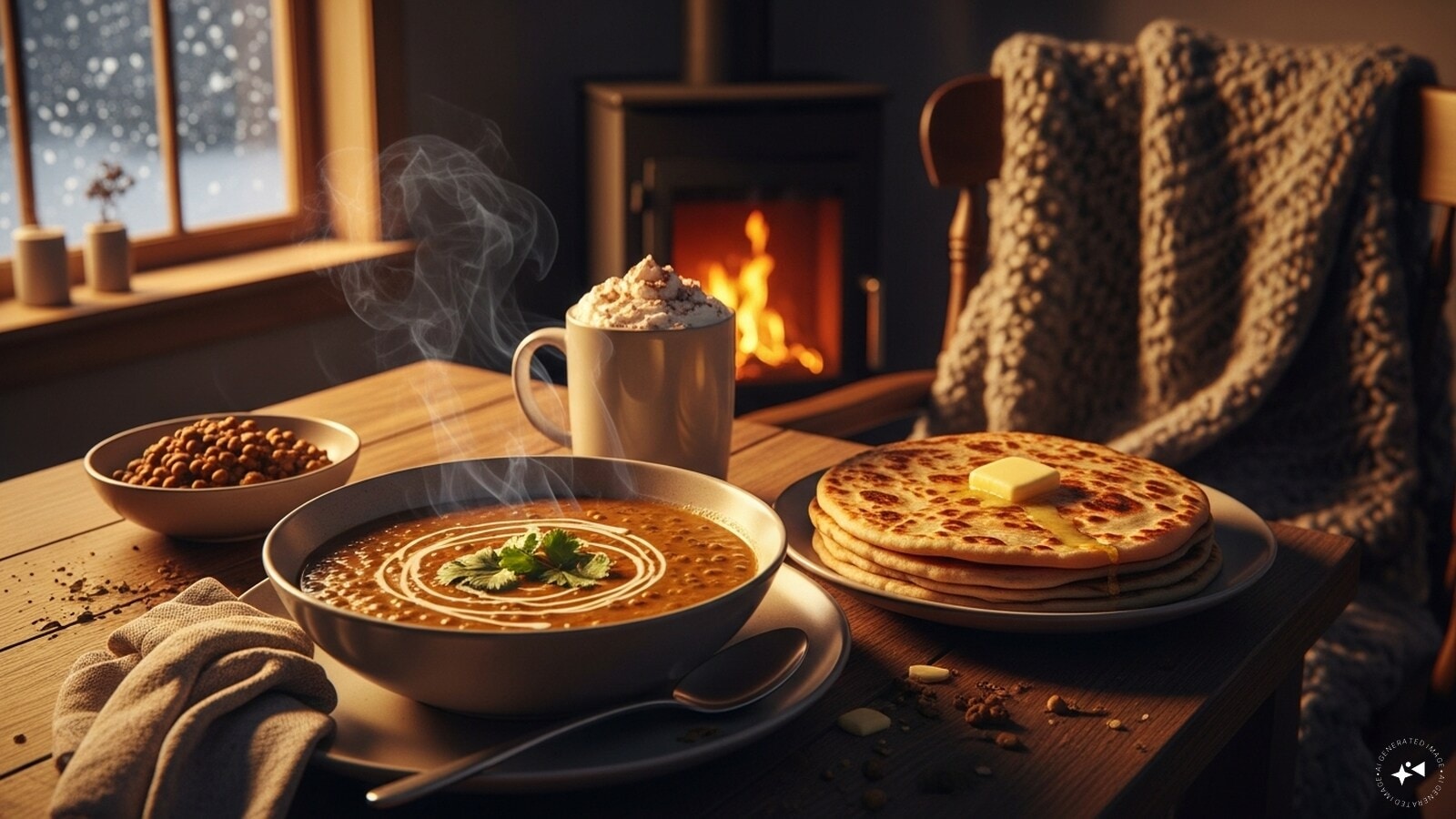
Psychological Comfort: Cold weather often encourages us to stay indoors, where food becomes a source of comfort and warmth. Rich, hearty meals like soups, parathas, or hot chocolate provide emotional satisfaction. This psychological link between food and comfort amplifies hunger cues in winter. (Image: AI-Generated)
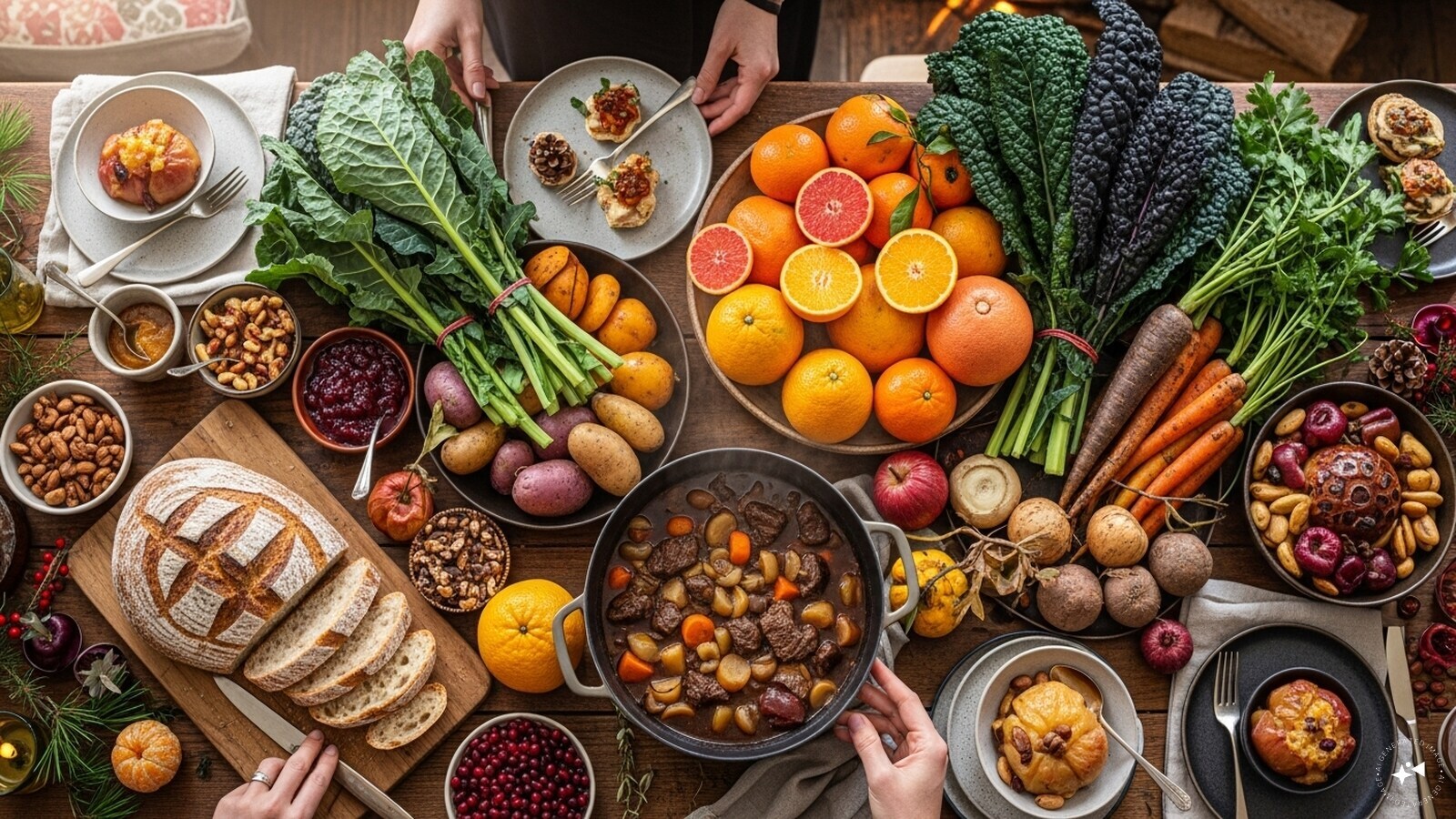
Seasonal Food Availability: Winter brings an abundance of seasonal produce like root vegetables, leafy greens, and citrus fruits. The cultural tradition of preparing hearty winter dishes also influences eating habits. With festive celebrations around the corner, people naturally indulge more, adding to the sense of increased hunger. (Image: AI-Generated)

Slower Metabolism and Activity Levels: Colder months often reduce outdoor activity, leading to slower metabolism. Ironically, even with less physical movement, the body still signals hunger because it seeks warmth and energy. This mismatch between activity and appetite can lead to overeating if not managed carefully. (Image: AI-Generated)
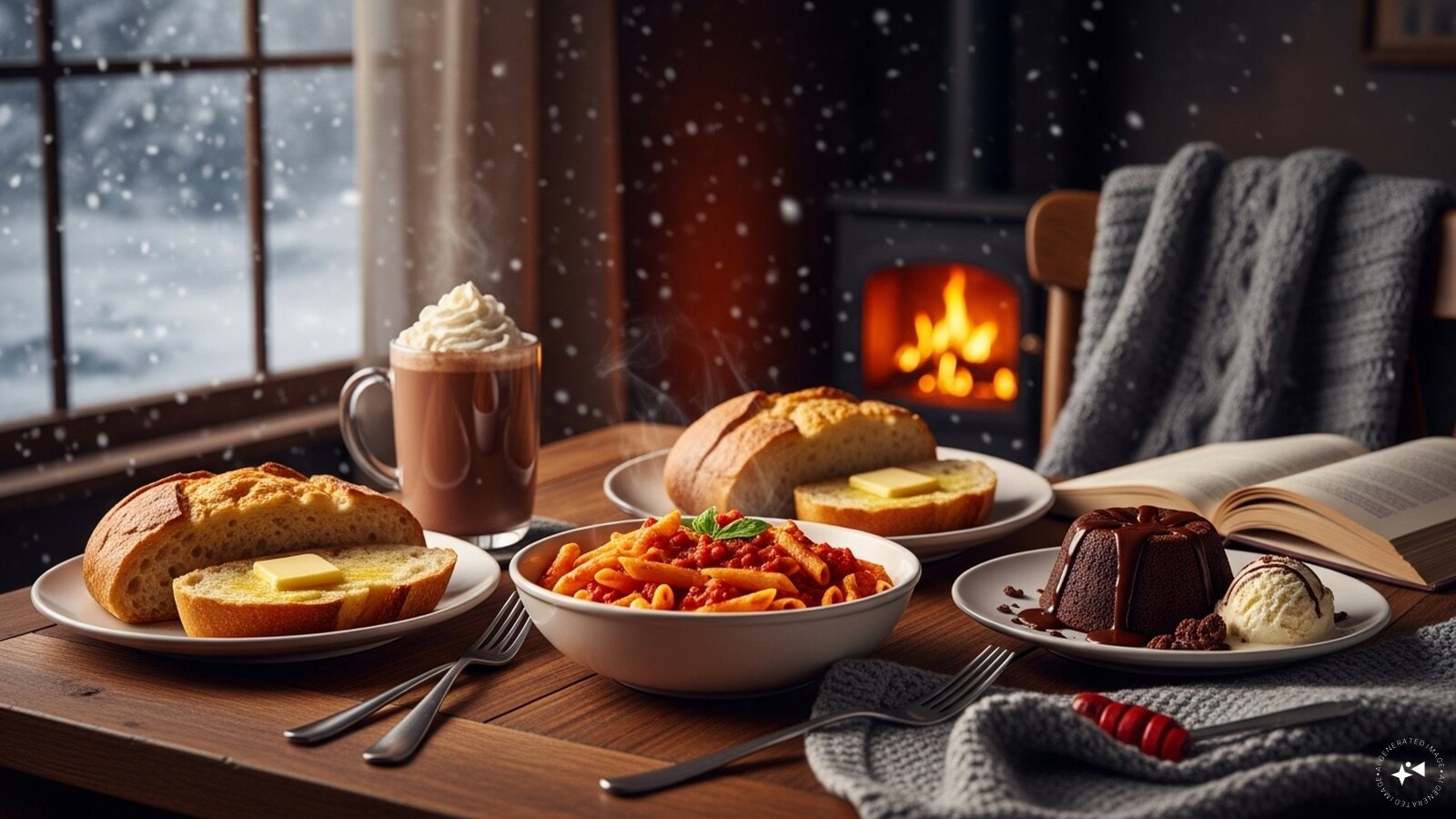
Comfort Food Cravings: Carbohydrate‑heavy foods are particularly appealing in winter. They not only provide quick energy but also stimulate dopamine and serotonin release, improving mood. This explains why cravings for pasta, bread, and chocolate spike during colder days. (Image: AI-Generated)

Festive Season Influence: Winter coincides with festivals and holidays, which are often centered around food. Social gatherings, celebratory meals, and traditional dishes encourage indulgence. The festive atmosphere makes it harder to resist, reinforcing the feeling of constant hunger. (Image: AI-Generated)

Hydration Confusion: In winter, people often drink less water because they don’t feel as thirsty. Mild dehydration can sometimes be mistaken for hunger, leading to unnecessary snacking. Staying hydrated is key to managing appetite during colder months. (Image: AI-Generated)
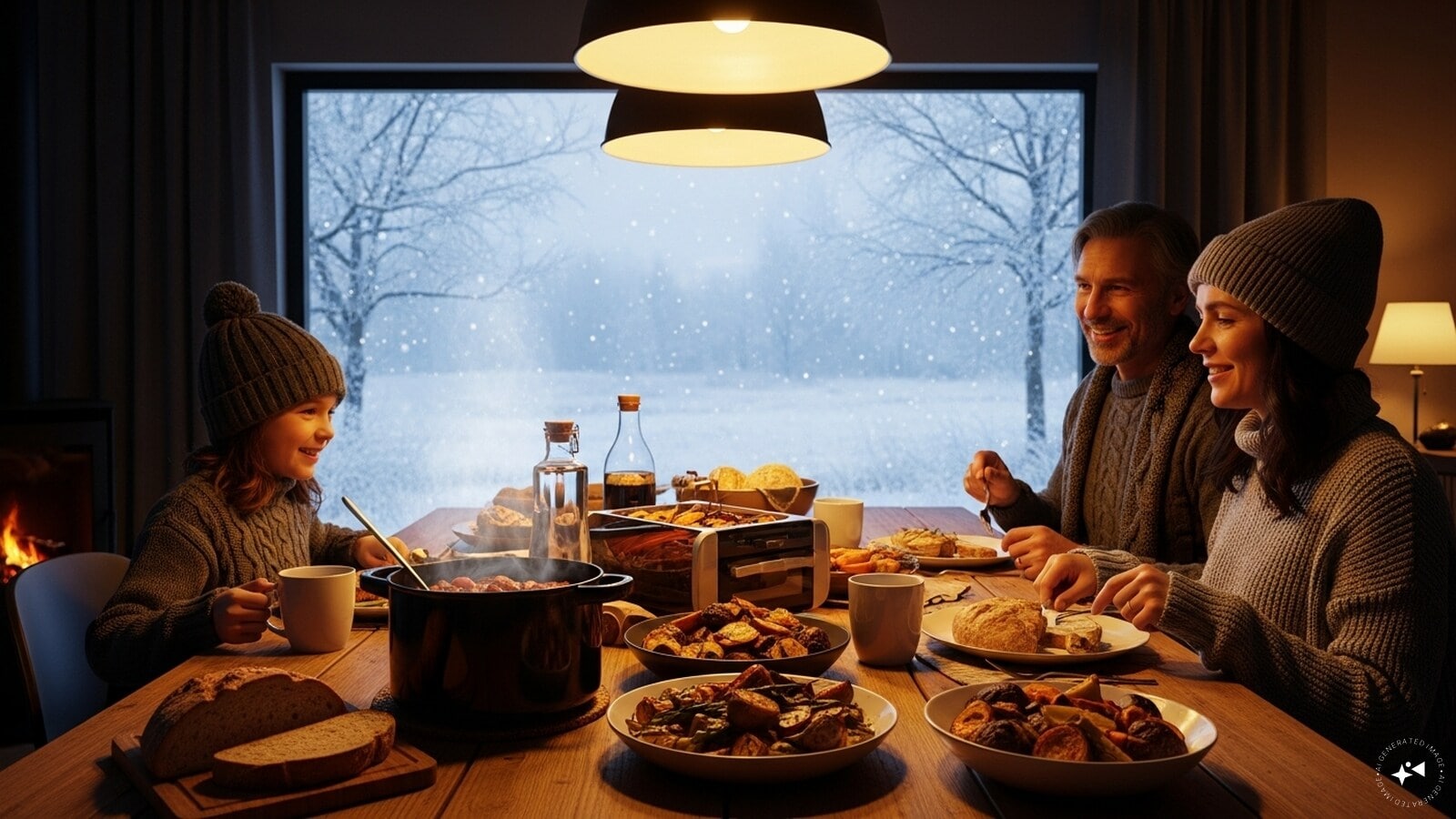
Evolutionary Perspective: From an evolutionary standpoint, humans may have developed a tendency to eat more in winter to store fat and survive harsher climates. While modern heating reduces the need for this, the instinct still influences our appetite patterns today. (Image: AI-Generated)
