


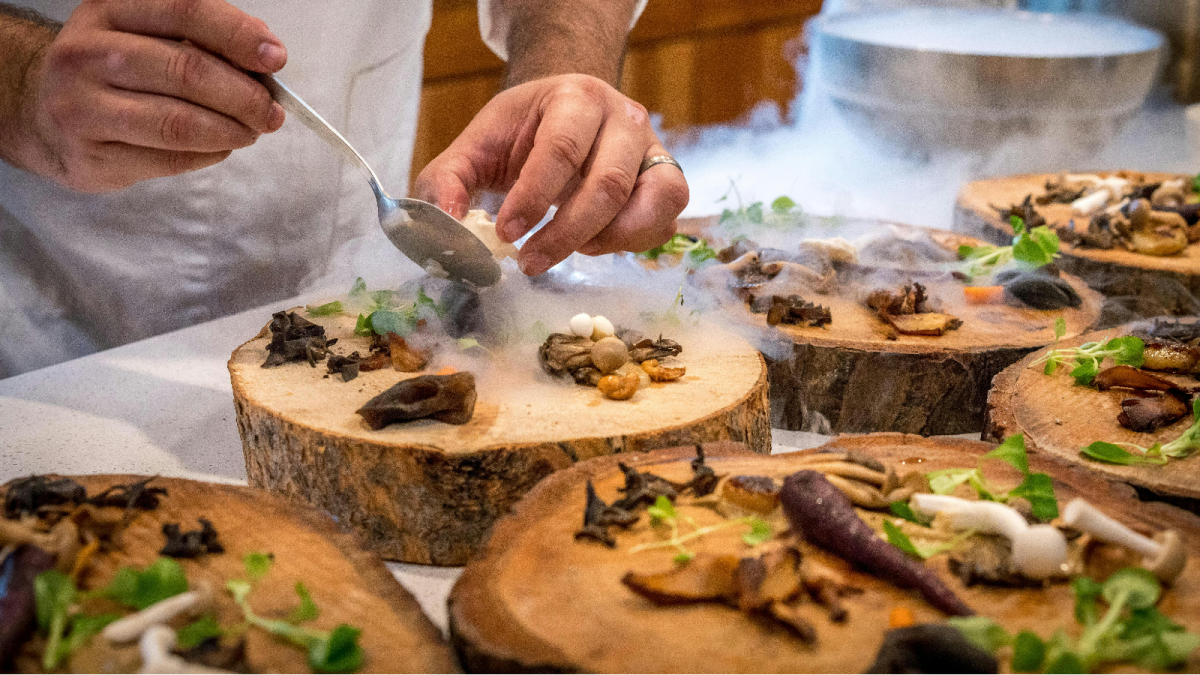
In 2026, the focus is shifting towards longevity, nourishment, and intention. These trends may not always be visible on the social media, but they will quietly change how people eat, cook, and relate to food.
Photogenic Food May Lose Its grip: According to reports, chefs are leaning into honesty. Plating is becoming simpler and more intuitive. Natural colours and foods that looks like it belongs on a table rather than a screen are taking the centre stage. Exaggerated portions, excess garnishes are being questioned, not celebrated. (Image: Pexels)
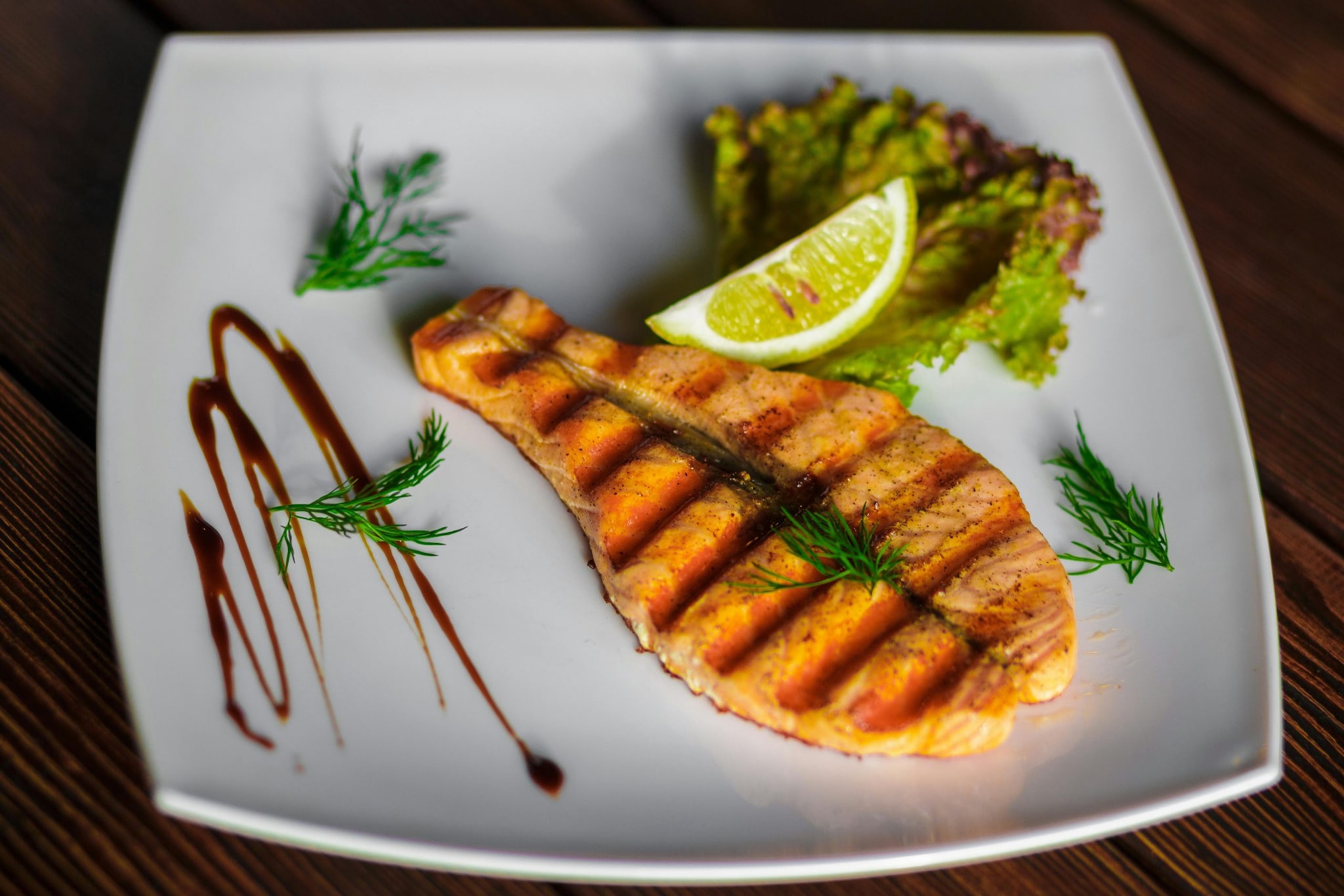
Quiet Luxury On Plates: In 2026, food is about skill, restraint, and provenance. It is not about imported rarities or dramatic price tags. Luxury looks like small-batch oils, stone-ground flours, single-origin grains. Menus will become shorter, cleaner and more confident. (Image: Pexels)
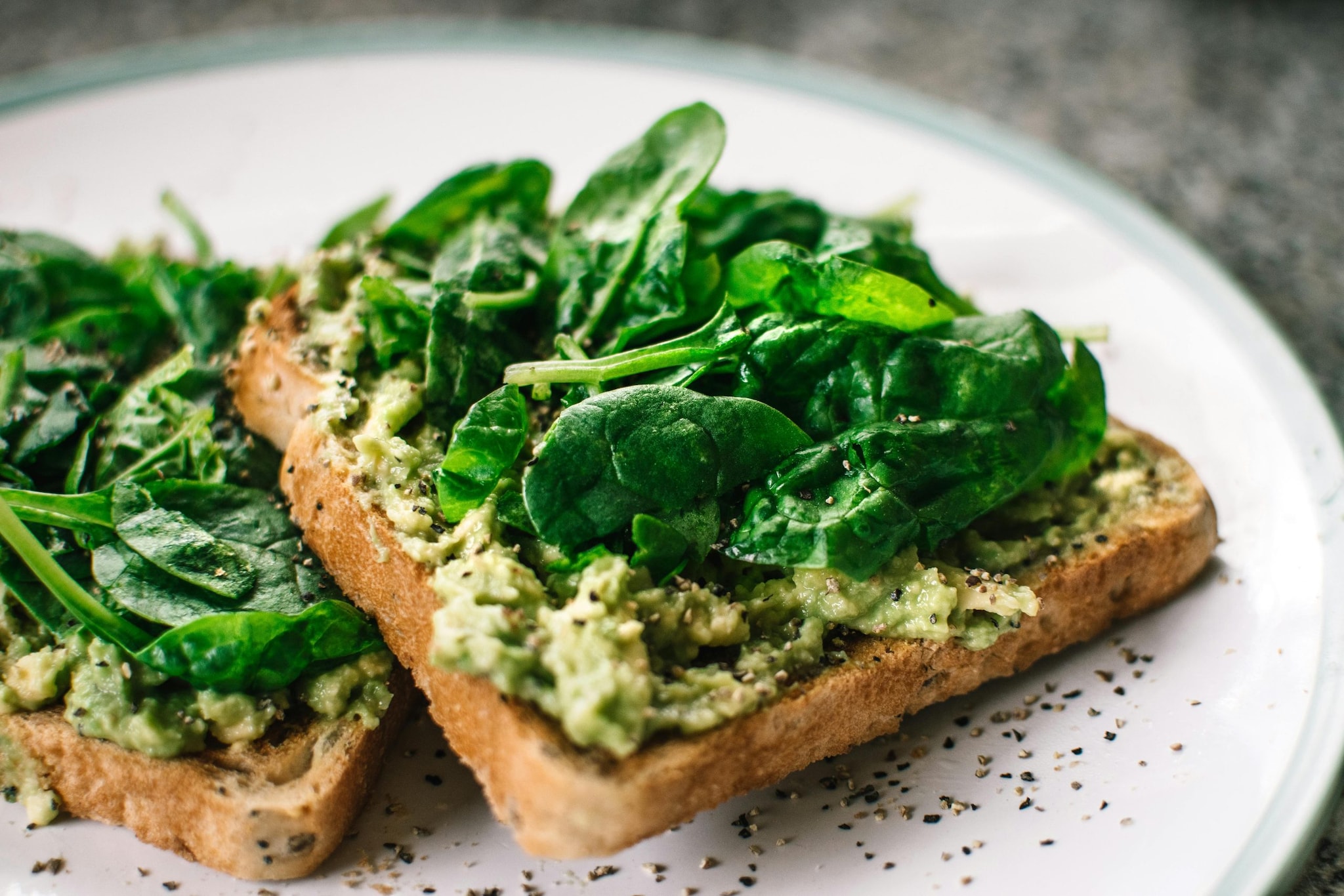
Plant-forward Eating: Plant-forward eating in 2026 moves beyond rigid labels like vegan or vegetarian, embracing flexibility. Vegetables take center stage, no longer just side dishes but the heart of the meal. Legumes, seasonal produce, and grains are prepared with care, celebrated as main ingredients rather than alternatives. The focus is on comfort—dishes that are warm, familiar, and satisfying, crafted to nourish rather than make a statement. (Image: Pexels)
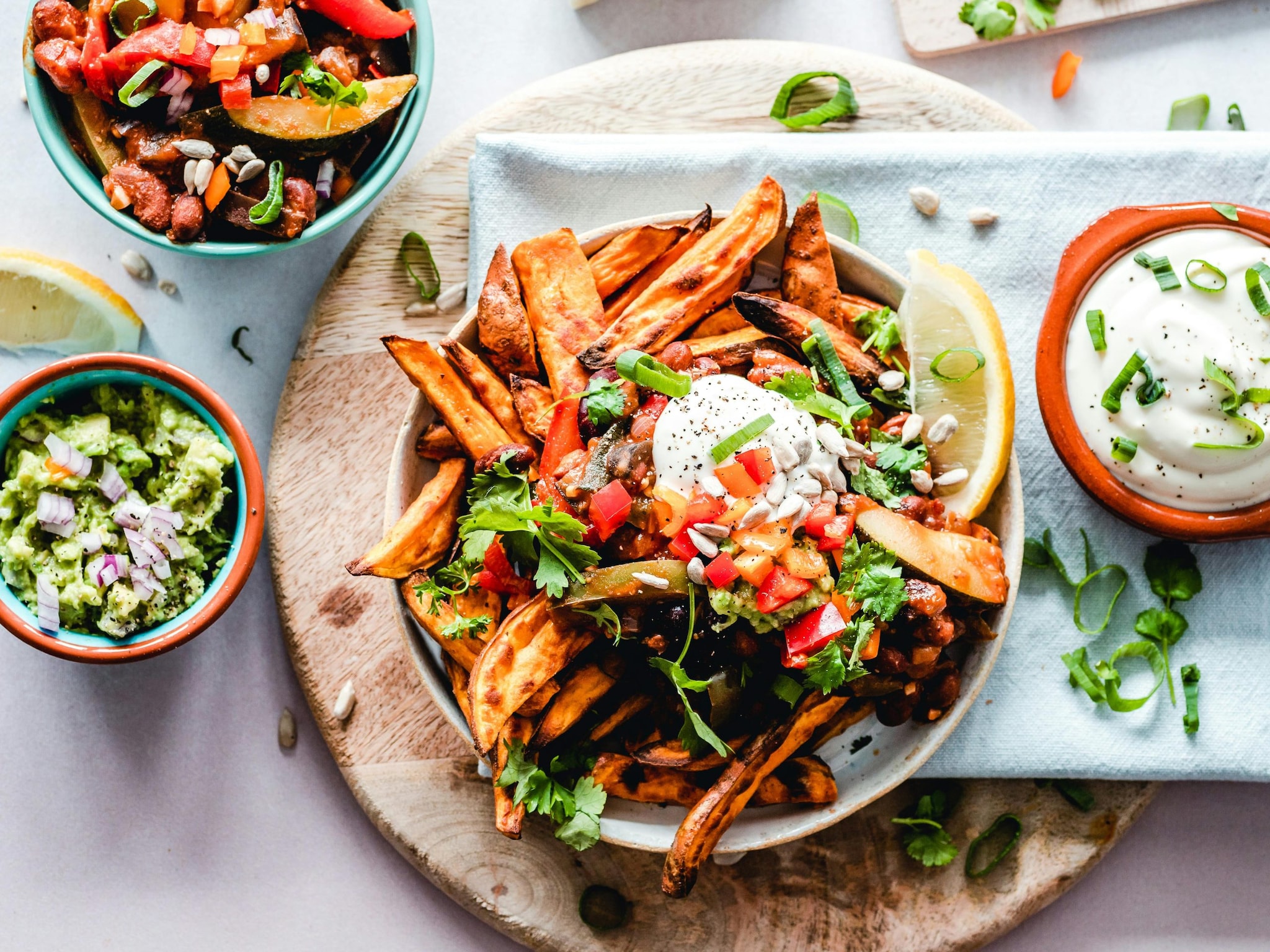
Fewer Ingredients: Minimalist cooking is on the rise in 2026, focusing on fewer ingredients for clearer flavours and better digestion. With hectic schedules and rising food prices, people are seeking meals that are efficient yet satisfying. Simple recipes with just five or six thoughtfully chosen ingredients are preferred, offering indulgence without complexity. When done right, minimalism enhances both taste and enjoyment. (Image: Pexels)
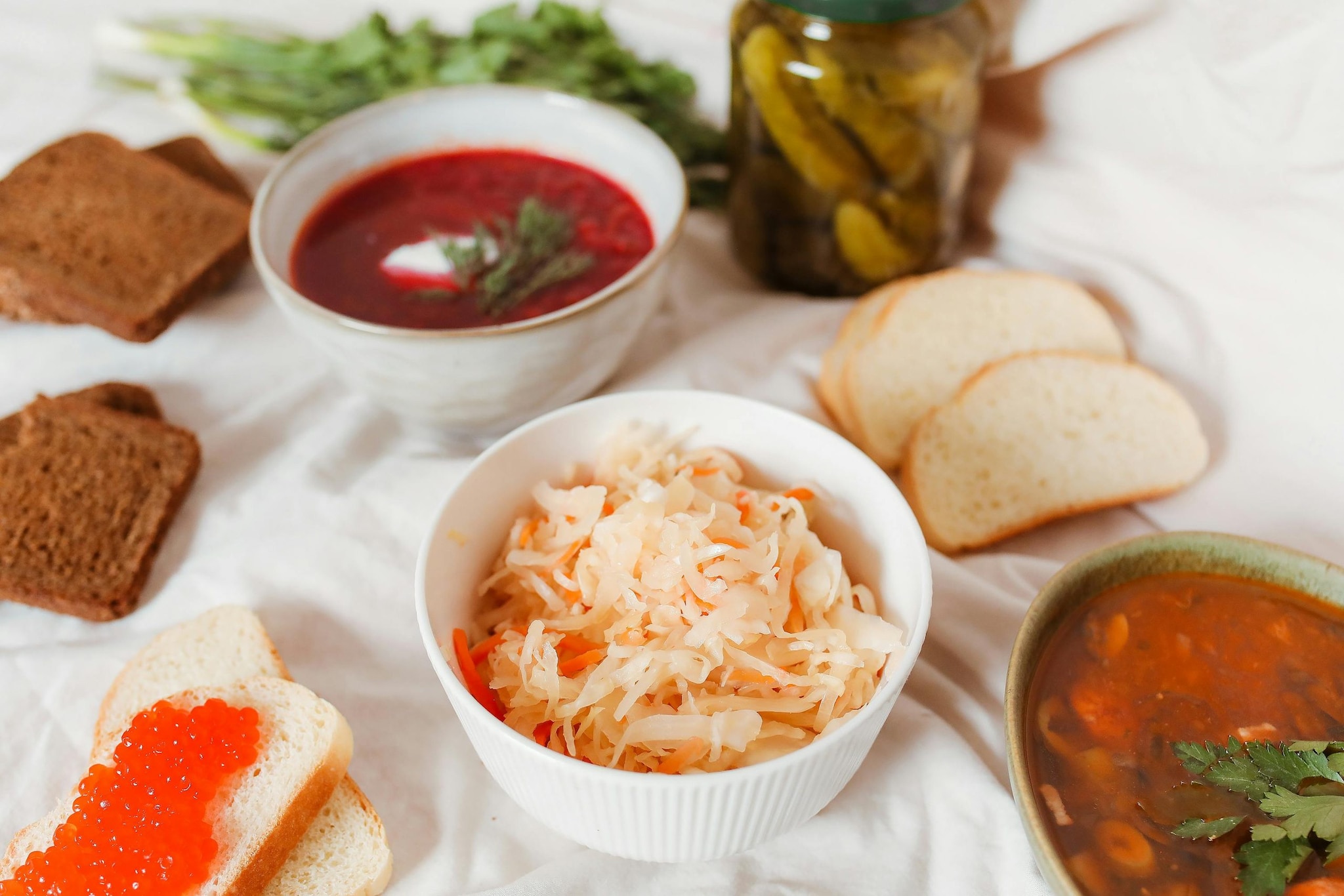
Fermented Foods Become Everyday Essentials: Fermentation, once a niche trend, is now a daily staple in 2026 kitchens. Kimchi, kombucha, kefir, and miso are no longer just wellness fads—they’re integrated into regular meals. With growing awareness of gut health, fermented foods are appreciated for their long-term benefits, prioritizing steady, daily inclusion over quick detox fixes. The shift is practical, focusing on balance and routine. (Image: Pexels)
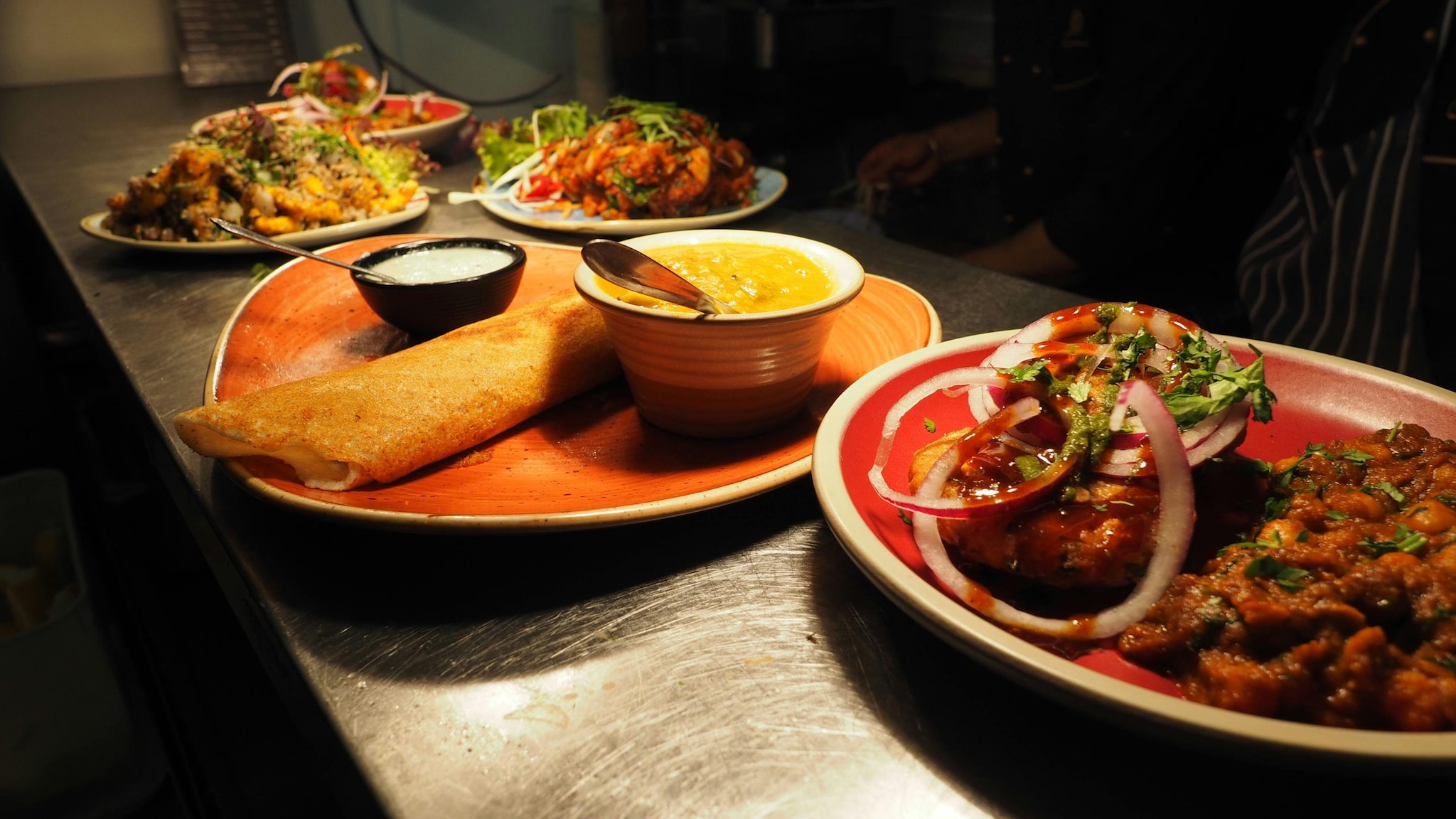
Regional Flavours Will Return: While global flavours still hold appeal, there’s a growing appreciation for regional cooking in 2026—not as nostalgia, but as something practical and relevant. Traditional techniques, local ingredients, and seasonal wisdom are reclaiming their place in the kitchen. Instead of forced fusion, chefs are revisiting heritage recipes and adapting them for modern lifestyles, resulting in dishes that feel personal, authentic, and confidently simple. (Image: Pexels)

Drinks May Show Signs Of Slowing Down: The beverage industry is embracing a gentler approach. Low-alcohol and no-alcohol drinks are on the rise, but without the heavy wellness messaging of previous years. Broths, herbal infusions, lightly fermented drinks, and ingredient-focused sodas are replacing overly sweet or aggressively marketed options. The focus is shifting from trends to how a drink fits seamlessly into daily life. (Image: Pexels)
