


Last Updated:
Insights from 30,000 people across 13 countries show global sleep health awareness is growing, yet an action gap remains.




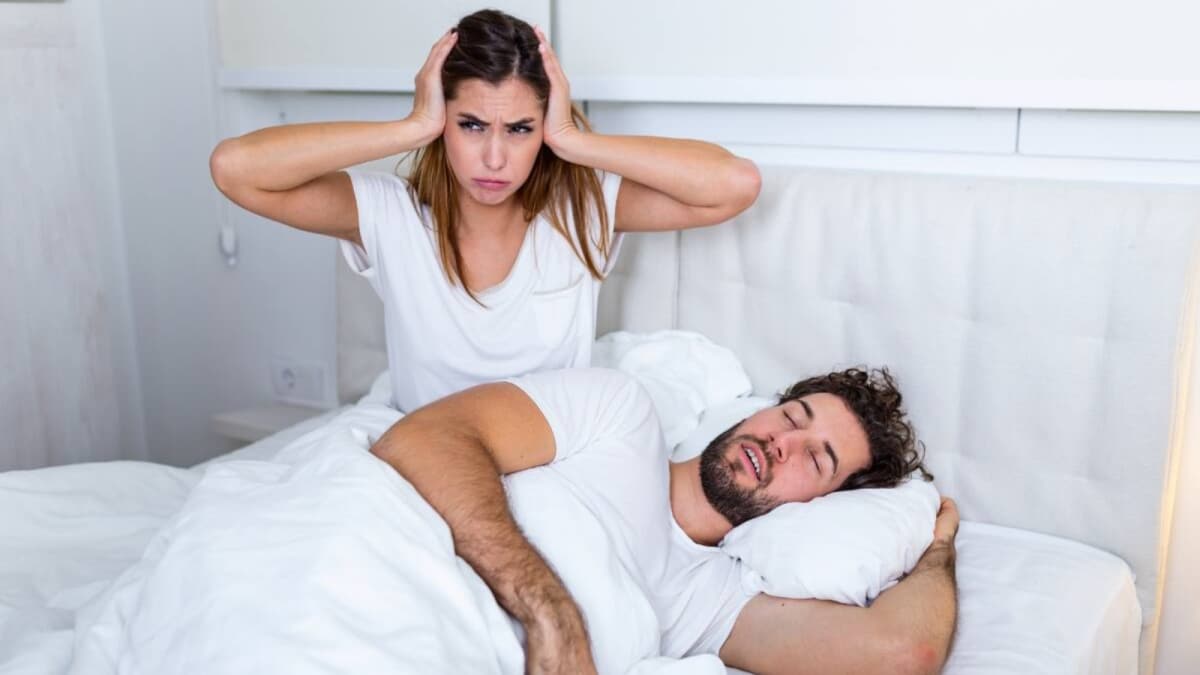
Resmed’s Global Sleep Survey 2026 reveals rising “sleep divorce” trends in India, with many couples sleeping separately due to snoring, screen use, and different sleep schedules.
A leading health technology company, Resmed (NYSE: RMD, ASX: RMD), focused on sleep, breathing, and care delivered at home, has unveiled the findings from its sixth annual Global Sleep Survey.
Drawing insights from 30,000 people across 13 countries, the survey reveals a widening gap between recognizing the importance of sleep and taking action to improve sleep health.
Sleeping together remains closely linked to relationship wellbeing in India. According to the survey, 67% of respondents report that sharing a bed has a positive impact on their sex life, while 72% say their sleeping arrangement strengthens emotional connection with their partner.
However, sleep disruptions are common. Nearly 46% of Indians say their partner disrupts their sleep at least once a week. Reflecting the impact of these disturbances, 53% report sleeping separately from their partner at least one night a week.
The most common causes of sleep disruption include:
Using a phone or tablet in bed (28%)
Snoring or loud breathing (27%)
Different sleep and wake schedules (21%)
While 44% of respondents in India rank getting adequate, quality sleep as one of the most important contributors to long-term health alongside diet and exercise many are not taking meaningful steps to improve their sleep habits.
The findings point to a clear opportunity to improve education, screening, and diagnosis so that more people can identify sleep issues earlier and access treatment.
Sleep is increasingly recognized as a key pillar of long-term health. Globally, 90% of respondents understand that consistent, quality sleep can help extend a healthy lifespan. However, awareness has not translated into consistent results. Nearly 47% of Indians report getting a good night’s sleep only four nights a week or fewer, highlighting the persistent gap between knowing sleep is important and being able to prioritize it.
Turning Sleep Awareness into Action
As sleep awareness grows, so does the opportunity to turn intent into meaningful action.
Increased Wearable Use Raises Sleep Awareness
Three in four Indians (75%) track their sleep using a wearable device at least occasionally. Smartwatches and fitness bands lead the way, with over half of respondents using them to monitor sleep. Among wearable users, 66% say they would seek medical advice if their device flagged a potential health risk.
Following Through on Healthcare Conversations Remains a Challenge
While 78% of respondents say they would consult a healthcare provider for persistent sleep issues, only 69% recall being asked about sleep during a routine medical visit.
The findings highlight an opportunity to close the gap between awareness, screening, and treatment for potential sleep disorders, including sleep apnea.
How Daily Life Disrupts Sleep
The survey also highlights everyday pressures shaping sleep patterns across India.
Closing the Sleep Gap for Women
More than one-third of women surveyed (38%) struggle to fall asleep, compared with 29% of men. Stress and anxiety are major barriers to quality sleep for 42% of women, compared with 36% of men. Family responsibilities widen the gender gap further, negatively affecting sleep for 39% of women versus 33% of men.
Stress and Responsibilities Undermine Sleep
Stress or anxiety is the biggest barrier to consistent, quality sleep for 39% of Indians, followed by work or job responsibilities (37%) and household responsibilities (31%).
Recognizing Sleep as a Mental Health Essential
Insufficient sleep is closely linked to a higher risk of anxiety and depression across age groups. After a poor night’s sleep:
39% report feeling more stressed
35% feel more irritable
30% report feeling more depressed
Making Sleep a Workplace Priority
Among working respondents, 71% say insufficient sleep affects their ability to focus and perform at work, while 57% feel sleep health is not prioritized in workplace culture.
More than half of respondents in India (58%) say heavy workloads negatively affect their sleep. In fact, 77% of working respondents report taking a “snooze day,” calling in sick after a poor night’s sleep.
At the same time, 72% say flexible working arrangements help them better manage their sleep.
“People are increasingly recognizing sleep as a cornerstone of long-term health, which is encouraging,” said Dr. Carlos Nunez, Chief Medical Officer, Resmed. “But recognition alone is not enough. We need to help people move from awareness to action by addressing everyday barriers and improving access to screening, support, and care.”
Are you getting enough sleep? Read the full 2026 Resmed Global Sleep Survey report to learn more about the trends shaping how we sleep. To assess your sleep health, you can also take the online sleep assessment.
The information shared here is for educational purposes only and does not substitute for professional medical advice.
March 08, 2026, 16:45 IST
