


Last Updated:
RBI mandates full refund if banks mis-sell products. Know what constitutes as mis-selling




RBI
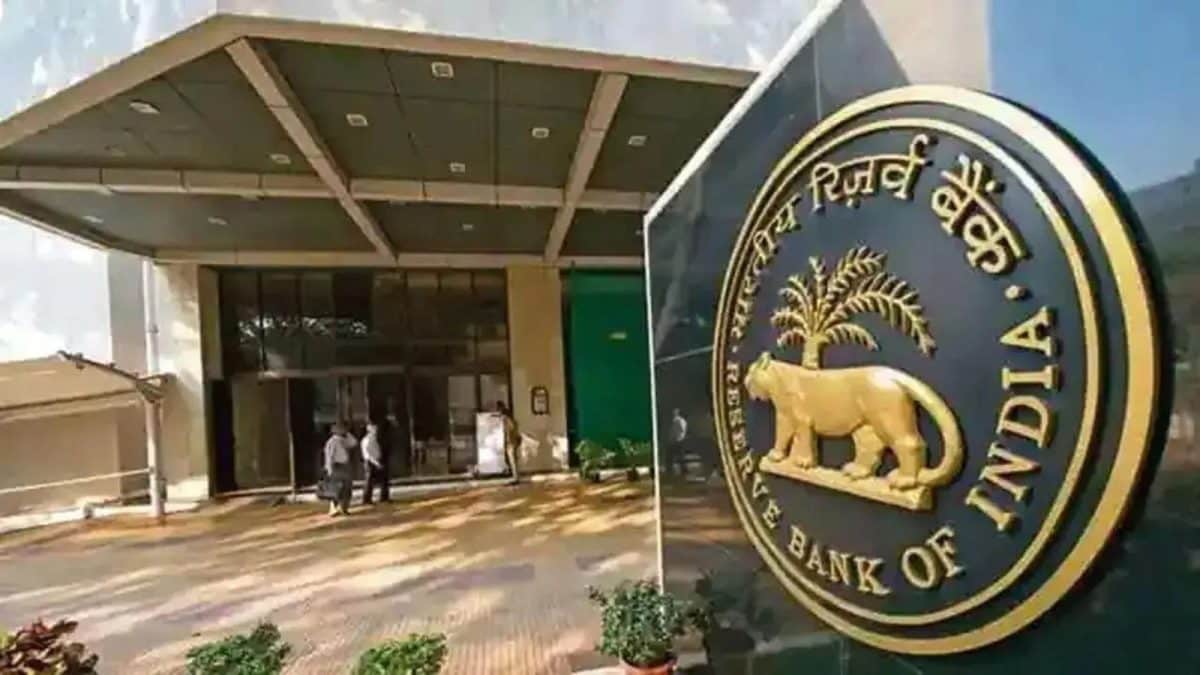
The Reserve Bank of India (RBI) is stepping up consumer protection by proposing that banks refund the full amount to customers if a product or service is mis-sold. Under the draft Commercial Banks – Responsible Business Conduct directions, expected to take effect from July 1, 2026, banks could also be required to compensate customers for any financial losses caused by misselling.
The move comes as part of RBI’s push to ensure that financial institutions prioritize customer interest over sales targets.
What Constitutes Mis-selling?
RBI’s draft guidelines make it clear that mis-selling is not just about selling without consent. It includes situations where products are unsuitable, misleading, or inappropriately pushed on customers, even if they signed documents.
Key elements of misselling include:
- Unsuitable Products: Selling products that don’t match the customer’s age, income, or risk profile.
- Misleading or Incomplete Information: Hiding fees, risks, or providing confusing details about a product.
- Forced Bundling: Tying loans or services to third-party products without giving customers a real choice.
- Deceptive Interfaces: Using “dark patterns” online that trick users into subscribing or buying.
- Lack of Explicit Consent: Consent must be informed and unambiguous; pre-selected checkboxes or bundled consent won’t count.
If misselling is established, banks will have to refund the full amount and cover any losses incurred by customers.
Examples of Mis-selling
Insurance Sold as a “Safe Investment”
Elderly customers were sold insurance products pitched as “FD-like” investments. Senior citizens interact with banks more frequently than most other customer segments. They visit branches to renew fixed deposits, manage pensions, access lockers or seek assistance with routine banking. These everyday interactions have increasingly been converted into sales opportunities.
According to a report published by 1 Finance Magazine titled Mis-selling Menace, insurance policies are often pitched to elderly customers as “FD-like”, “safe” or “guaranteed”, even though such products carry long lock-in periods, surrender penalties and low effective returns.
Aggressive Mutual Fund or SIP Sales
Some bank customers reported being pushed into mutual funds or SIPs while visiting branches for unrelated services, without assessing their risk appetite.
Credit Card Misrepresentation
Banks have misled customers about card features, promising premium benefits that were never provided, leading to complaints to the RBI Banking Ombudsman.
Hidden Fees or Unfulfilled Promises
Customers have experienced undisclosed fees or promised rebates that were never delivered, raising costs and constituting misselling.
Consequences for Banks
Under the proposed RBI norms:
- Banks must refund the full amount if mis-selling is proven.
- They may also have to compensate for financial losses.
- Consent alone won’t protect banks if the product is unsuitable or misleading.
- Banks must audit their sales processes, including digital interfaces, to prevent misselling.
The new rules strengthen consumer rights and could hold banks accountable for inappropriate sales practices. Customers who feel misled may now have a clear path to claim full refunds and compensation, making it more important for banks to act responsibly.
 Click here to add News18 as your preferred news source on Google.
February 12, 2026, 10:52 IST
Read More
