


Last Updated:
Choosing between the two isn’t just about comparing interest rates; processing fees, insurance costs, prepayment charges and the repayment amount must also be taken into account

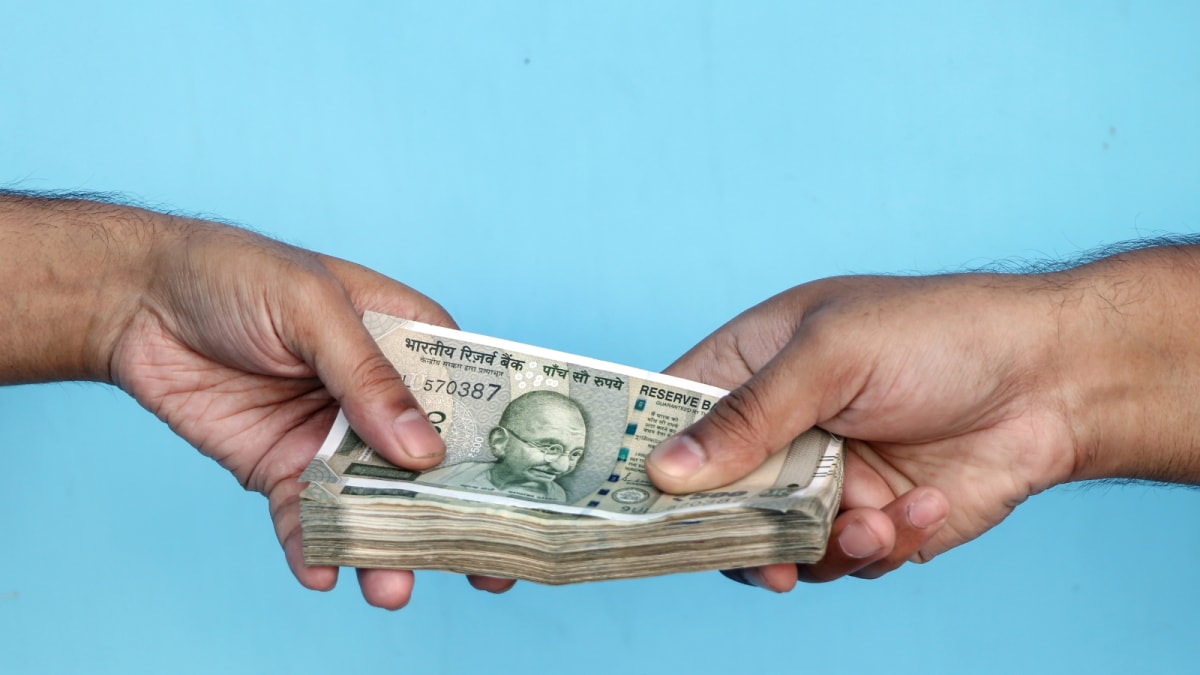
While both options appear convenient, the real distinction lies in their overall cost. (Representative/Shutterstock)
For those planning major expenses—such as buying a new phone, covering wedding costs, or undertaking home repairs—limited funds often raise an important question: should the expense be managed through a personal loan or a credit card EMI?
While both options appear convenient, the real distinction lies in their overall cost. Here’s a look at which choice proves more economical and under what circumstances each option works best.
Why Personal Loans Are Usually Cheaper
Personal loans generally have lower interest rates compared to credit card EMIs. The annual interest rate for personal loans typically ranges from 10-15 percent, whereas credit card EMIs can go up to 18-40 percent. Personal loans have fixed rates, set tenures, and equal EMIs, making it easier to calculate the total interest. For longer repayment periods, like 2 to 5 years, personal loans are usually a better choice.
When Is Credit Card EMI The Right Option
If the expense is small and one can pay it off in a few months, a promotional low-cost card EMI offer can work. However, it is important to remember that processing fees, GST, and late payment charges can make it expensive.
What To Check Before Choosing
One should not just compare interest rates; they should also consider processing fees, insurance, prepayment charges, and total cost. Card EMIs also lock the credit limit, which can affect one’s credit score.
In short, for bigger loans or longer durations, personal loans are cheaper and safer. For small expenses that one can pay off quickly, credit card EMI can work, as long as one pays on time.
November 06, 2025, 15:32 IST
Read More
