


Last Updated:
Chronic eye disorders need continuous monitoring, so electronic health records, storing images in the cloud and an organised follow-up mechanisms can help with this.




With the advancement of technology, there is a shift in eye care from an observation-based approach into one that is data-led, measurable, and highly protocol-driven.
Eye care in India has moved beyond just vision correction and basic surgeries. Recently, ophthalmology has become one of the key sectors to adopt MedTech innovations, primarily to meet the demands of early diagnosis, precision treatment, observation, and aftercare. As the number of lifestyle-related eye diseases increases, tech innovations are playing a larger role in the eye care delivery system in India.
According to clinical data, over 11.9 million glaucoma patients are believed to live in India. Glaucoma is a gradually progressive disease that needs timely and regular care throughout life. As the number of diabetes patients increases, diabetic retinopathy cases follow the same upward trend, whereas cataract volume remains one of the highest in the world, with almost ten million cataract operations done annually. These facts call for systems with capabilities of early diagnosis, accurate treatment, and long-term patient management.
Dr Kasu Prasad Reddy, Founder & Co-Chairman, Maxivision Super Speciality Eye Hospitals, says, “Many serious eye conditions progress without early warning signs. Technology gives us objective information even when patients feel their vision is normal, which helps us intervene at the right stage and focus on protecting vision rather than responding after damage has occurred.”
Diagnostics as the foundation layer of Modern Eye Care
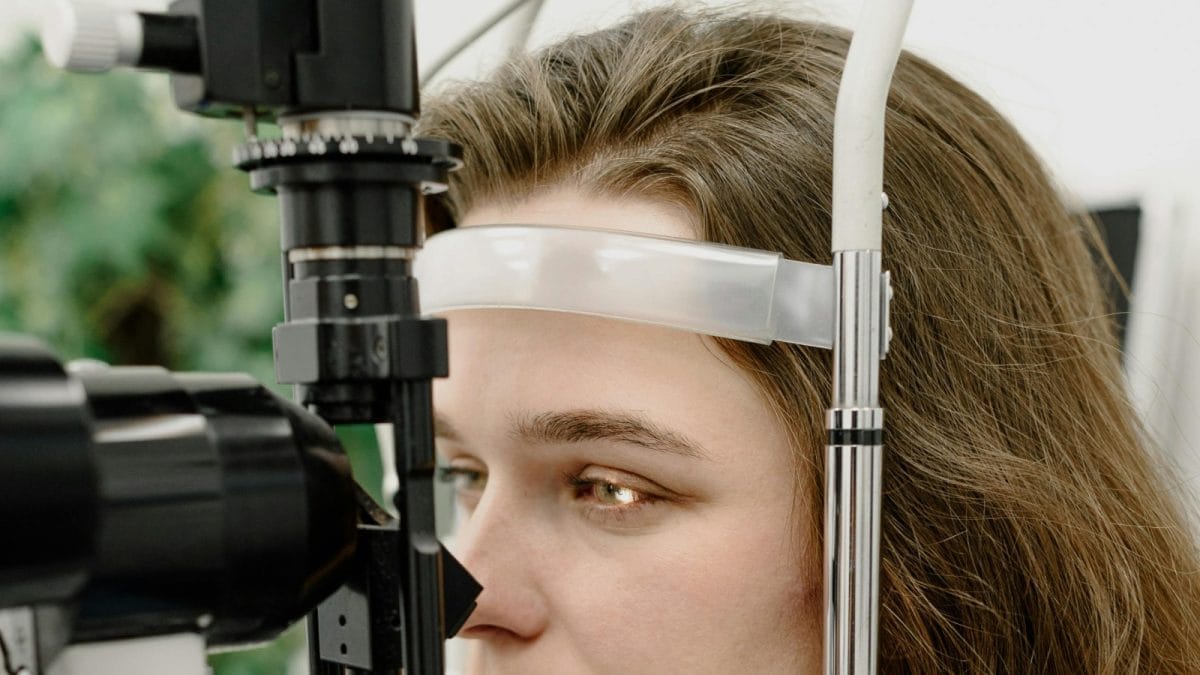
The rapid adoption of MedTech in ophthalmology is a result of how deeply diagnostics are now integrated into everyday clinical workflows. Advanced imaging platforms such as optical coherence tomography (OCT), wide-field retinal scanners, corneal topographers, and non-contact tonometers are no longer optional add-ons; they are the most important pillar behind the decision-making process in modern eye clinics.
These technologies help in objective documentation, longitudinal tracking, and precision planning, allowing clinicians to monitor disease progression, evaluate treatment response, and plan interventions with better accuracy. This shift has transformed eye care from an observation-based approach into one that is data-led, measurable, and highly protocol-driven.
Beyond Detection: How AI Is Reshaping Eye Care Delivery and Scale
Although artificial intelligence is known for its role in screening and early detection, it also enhances efficiency in ophthalmology, consistency, and access to care. AI-powered systems are increasingly used to triage patients, prioritise high-risk cases, standardise image interpretation, and reduce inter-observer variability. In markets like India, where patient load is high and specialist availability is uneven, AI becomes a critical enabler of scale, helping eye care networks deliver timely, high-quality care across geographies.
Surgical technology improving precision and recovery
Surgical care is one of the areas that has seen rapid development in technology. Presently, phacoemulsification systems, premium intraocular lenses, and advanced real-time imaging are the cornerstones of a successful modern cataract surgery. With the help of cutting-edge technologies, a surgeon can be more accurate than ever, thus improving a patient’s outcome and time to recovery. This combination of scale and technology has helped strengthen patient confidence in surgical eye care.
Digital tools enabling long-term care
Chronic eye disorders, such as glaucoma, need continuous monitoring and personalised treatment. Electronic health records, storing images in the cloud, and well-organised follow-up mechanisms are gradually assisting in meeting this requirement. Patients themselves are able to understand their personalised line of treatment and also their current condition through the imaging and medical reports, and at the same time, doctors can tailor more individualised treatment plans accurately by comparing the data over time.
Tele-ophthalmology and digital consultations are also becoming more common for follow-ups, especially for stable patients, reducing the burden of frequent hospital visits without compromising care quality.
Technology expanding access beyond metros
Significantly, the adoption of MedTech in ophthalmology is not just limited to big metropolitan hospitals anymore. Tier 2 and Tier 3 cities are currently enjoying access to cutting, edge diagnostic and surgical devices. Such growth indicates that technology not only helps in standardising care procedures but also in making specialist-level services more accessible to the patients.
Why eye care leads the MedTech curve
Eye care stands out because outcomes are measurable and meaningful to patients. Close to perfect vision, speedy recovery, and disease stabilisation are some of the concrete benefits patients experience, thus their faith in technology-enabled care is reinforced. At the same time, MedTech gives clinicians pinpoint accuracy and certainty in their decisions.
February 11, 2026, 14:44 IST
