


Vegetables are often seen as a key part of a healthy diet—but are they always safe? A recent study raises serious concerns. Out of 72 vegetable samples collected from markets in and around Bengaluru, 19 were found to contain lead, a toxic heavy metal that poses serious risks to human health. The report was submitted to the National Green Tribunal (NGT) on February 12, 2026, by a committee from the Central Pollution Control Board. (Image: AI Generated)
The vegetable samples were analyzed in a laboratory approved by the Food Safety and Standards Authority of India (FSSAI). The tests screened for 11 heavy metals, 3 essential minerals, and nearly 230 types of pesticides.
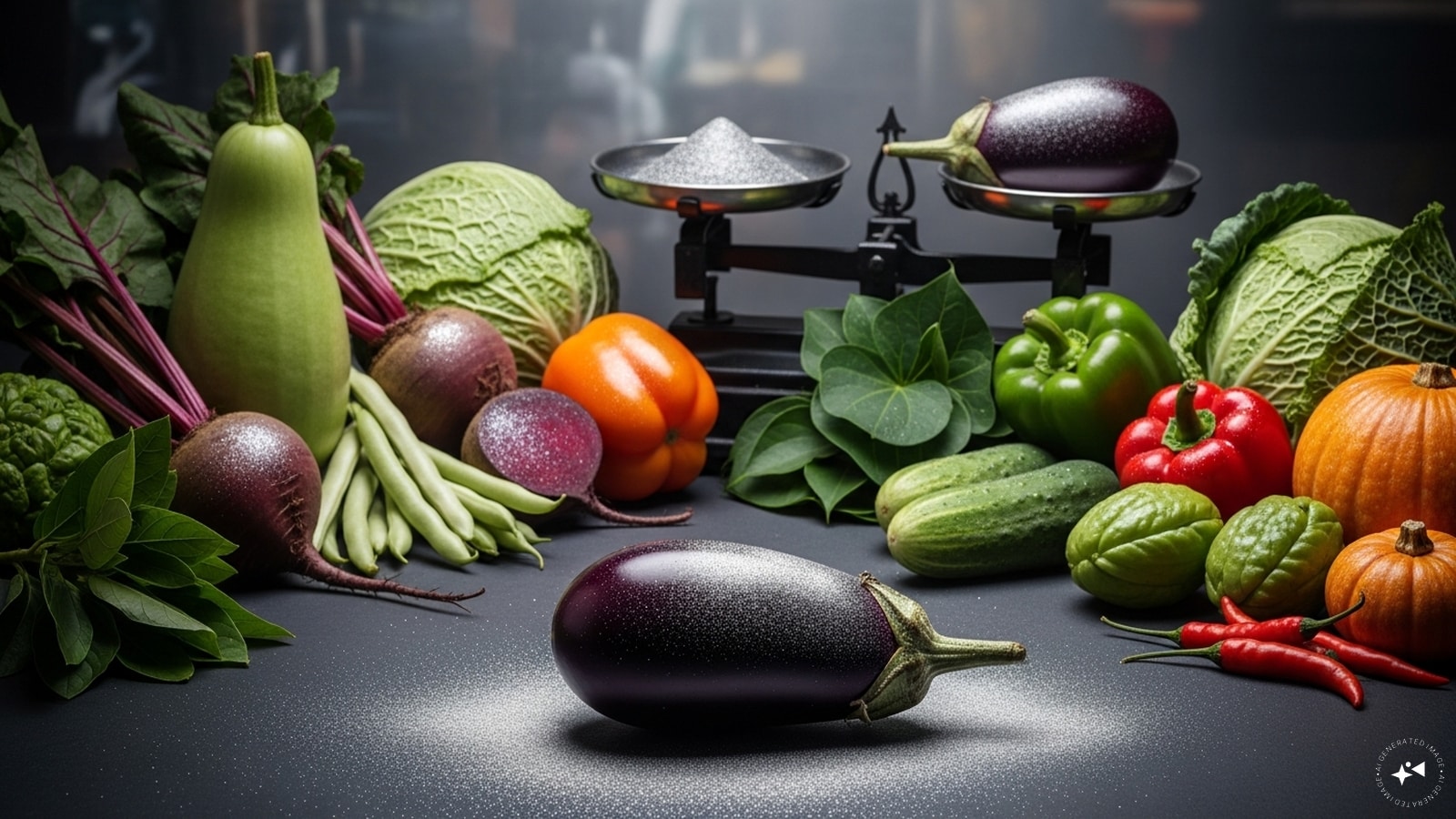
Among the vegetables that exceeded safe lead levels, brinjal (eggplant) showed the highest concentration. Other vegetables with excessive lead included Bottle gourd, Beans, Beetroot, Cabbage, Capsicum, Chillies, Cucumber, Jute leaves (saluyot leaves), Knol-khol, Squash. (Image: AI Generated)
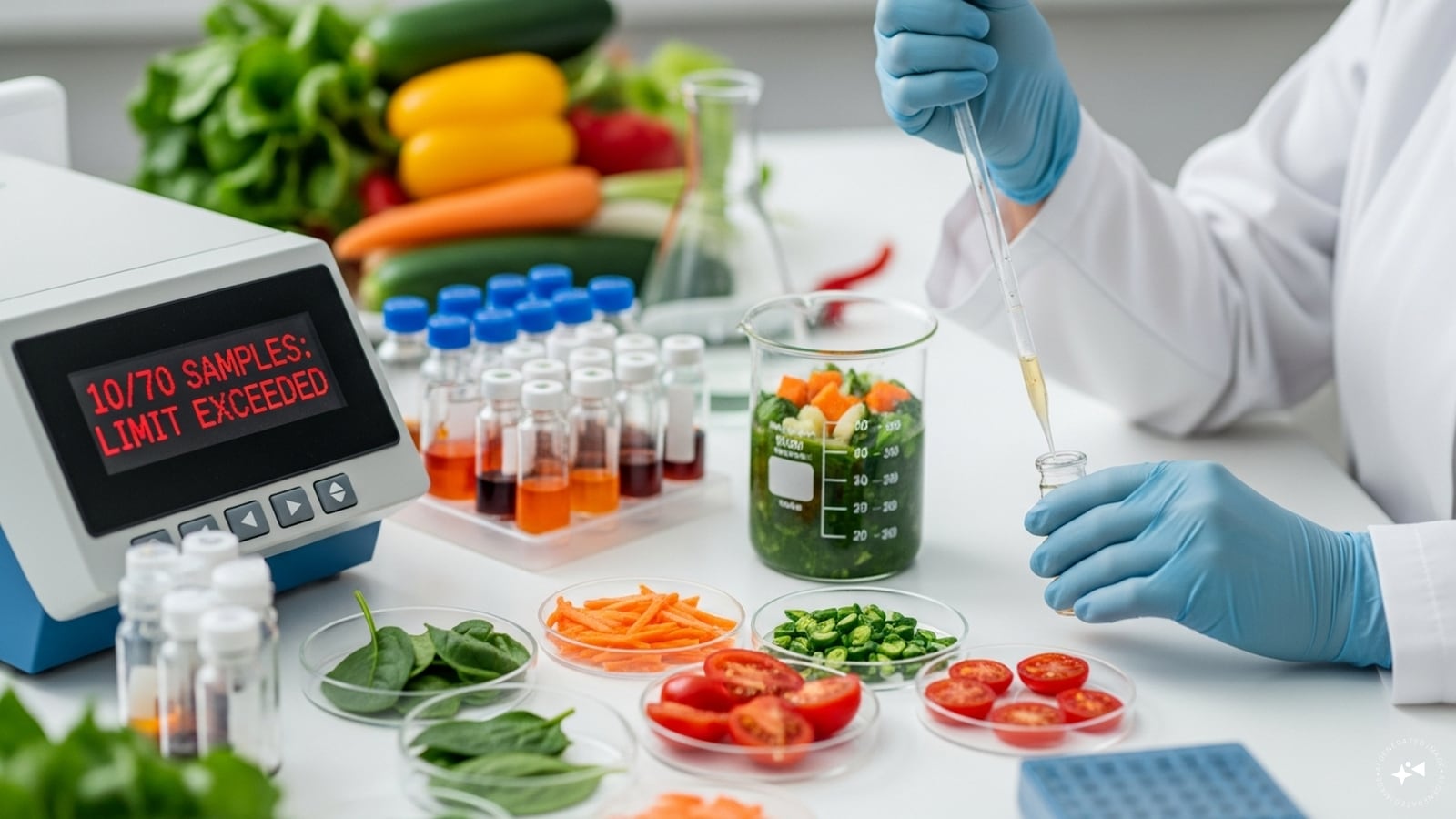
Alongside lead testing, 70 vegetable samples were also screened for pesticides. Alarmingly, 10 of these samples contained pesticide levels above the permissible limit, raising further concerns about food safety. (Image: AI Generated)
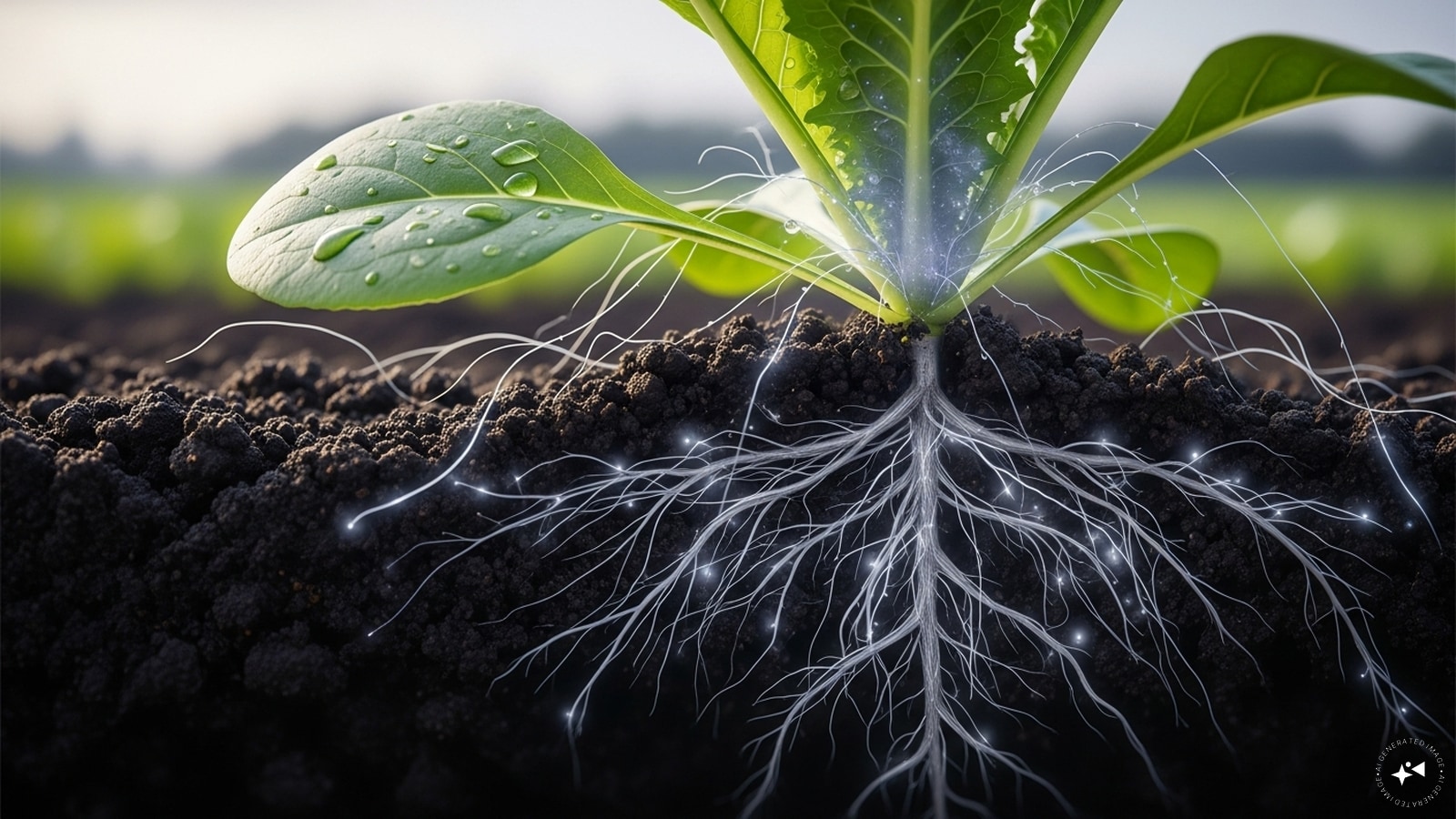
Experts explained that when lead contaminates soil or water, plants can absorb it through their roots. Once inside, the metal becomes part of the vegetable’s tissues, meaning that washing or peeling alone cannot remove the lead. (Image: AI Generated)
Lead is highly toxic to humans. The World Health Organization (WHO) reports that in 2021, lead exposure contributed to over 1.5 million deaths worldwide, many linked to cardiovascular diseases. Children are particularly at risk, as high lead levels can harm the nervous system, impair brain development, and reduce cognitive abilities. (Image: AI Generated)

Some safety tips to reduce lead exposure in the body: (Image: AI Generated)
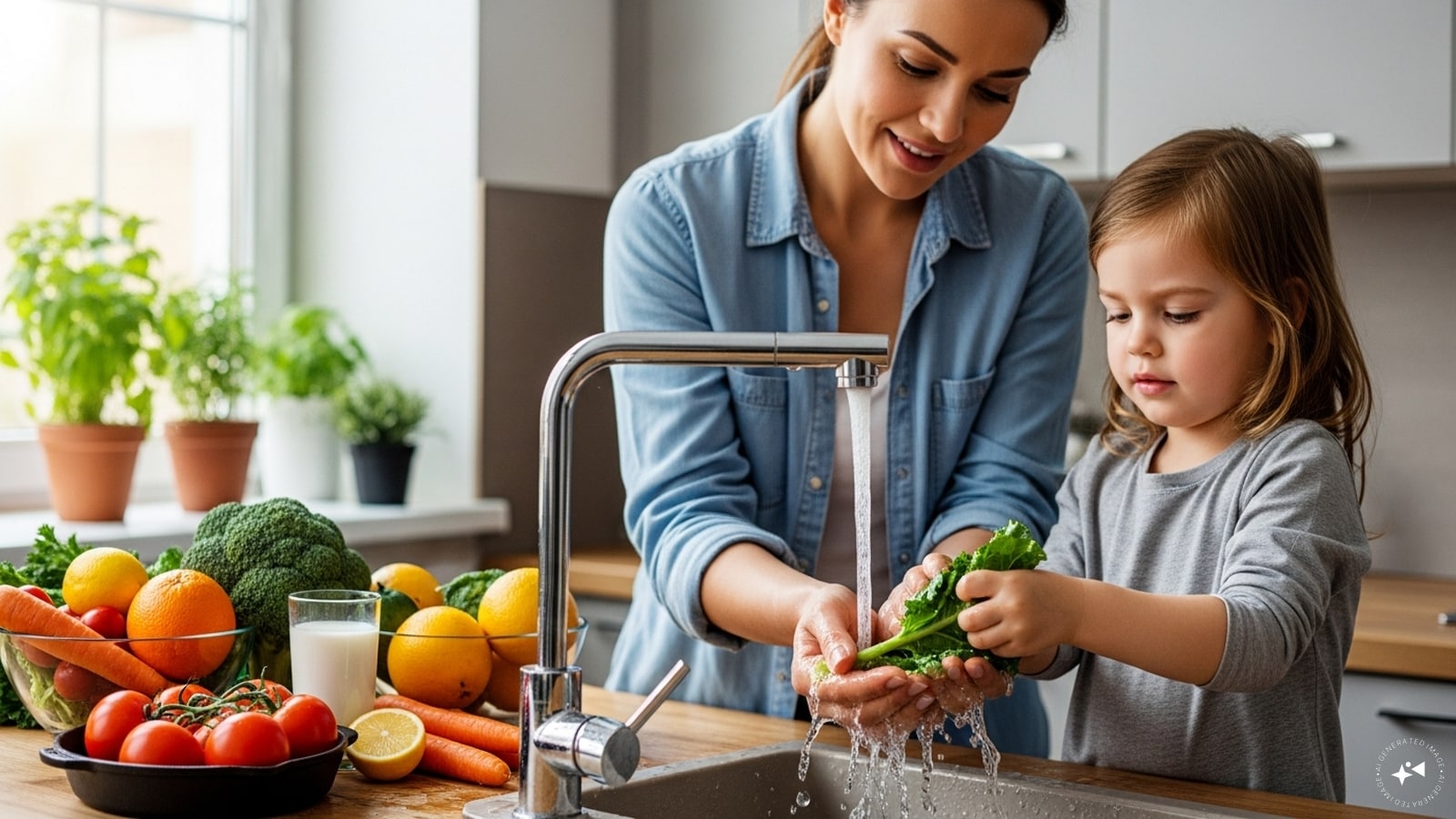
While internal contamination in vegetables can’t always be fully removed, thoroughly washing them can help eliminate surface dirt and some harmful residues. Parents should also focus on giving children a balanced diet rich in iron, calcium, and vitamin C, as these nutrients can help reduce the harmful effects of lead exposure on the body. (Image: AI Generated)
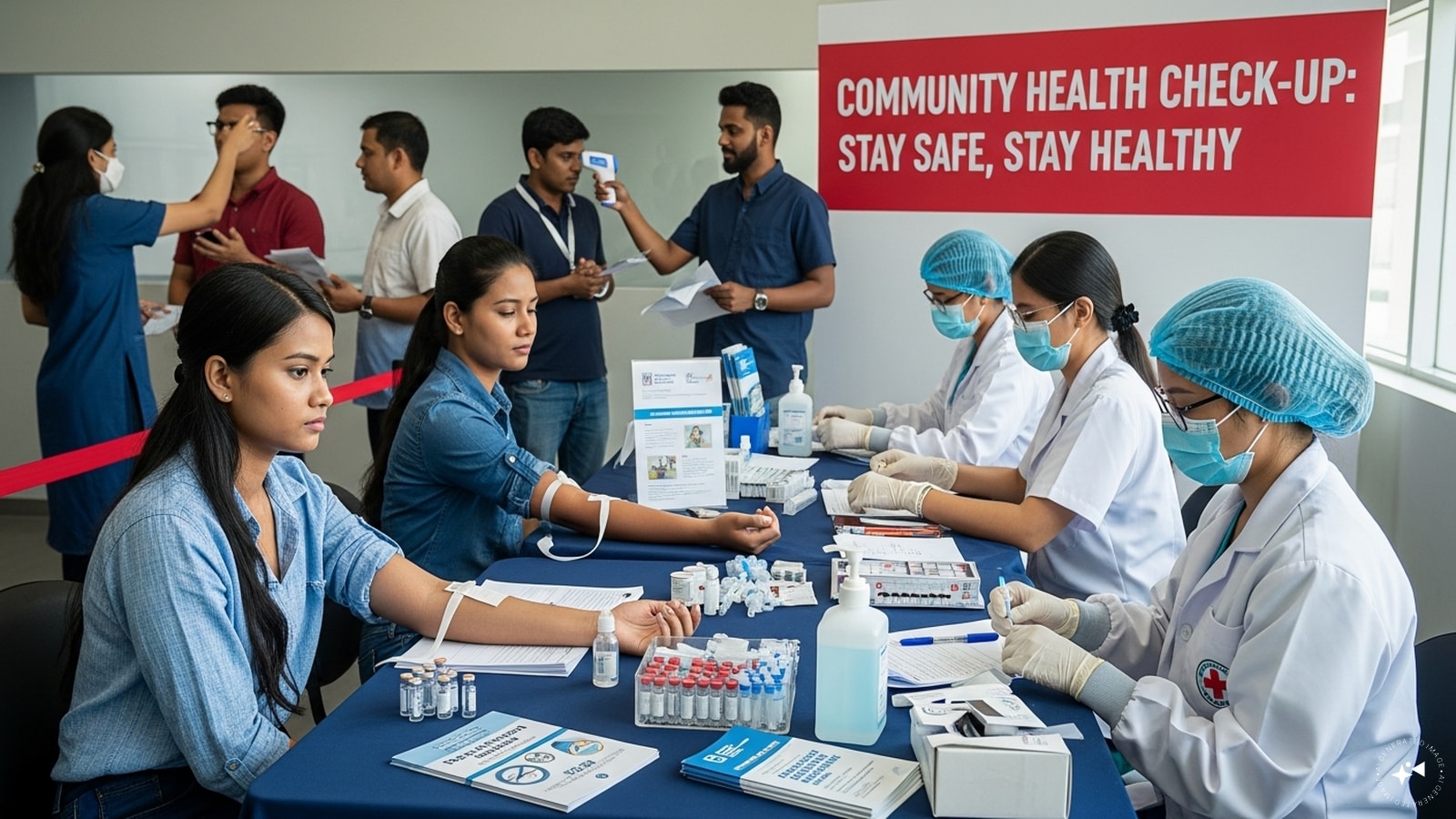
Regular health check-ups and timely testing are crucial, particularly if there’s a possibility of consuming contaminated food or water. (Image: AI Generated)
