


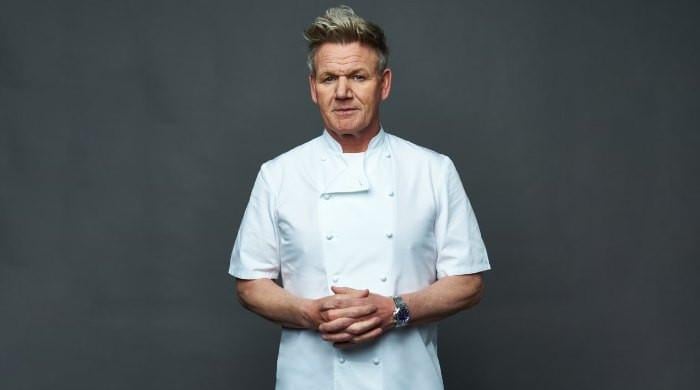
Gordon Ramsay has spoken candidly about the poverty that shaped his childhood, describing his early years as “disgusting” and admitting there were times he went days without food.
The revelations come in his new six-part Netflix documentary Being Gordon Ramsay, which airs from Wednesday and follows the chef as he pours his energy into his latest high-stakes project in the City of London.
Alongside the pressure of launching a major new business, the series sees Ramsay reflect on the hardship that fuelled his relentless work ethic.
In one emotional episode, Ramsay looks back on growing up on council estates after being born in Scotland and moving to England as a child.
He recalls relying on food vouchers at school and the shame that came with them, explaining how poverty affected him as a teenager.
“I was hungry all the time, there was no food in the house,” he says in the series.
“I was sometimes too embarrassed to use my vouchers to get my free shepherd’s pie in case, you know, aged 15 or 16, a girl I fancied saw me. I was a skinny f***ing bean. I remember eating toothpaste thinking that was delicious because there were multiple nights where we never ate.”
Reflecting on the wider picture, Ramsay adds: “It is appalling that we’re in this situation now. It’s disgusting, an embarrassment. The system’s dysfunctional.”
Those experiences have driven his involvement with the charity Feeding Britain, which aims to provide affordable food to around 800,000 children living in poverty across the UK.
The documentary also touches on painful family relationships.
Ramsay’s father, who died of a heart attack at 53, struggled with alcoholism, while his younger brother Ronnie is a heroin addict.
The chef becomes visibly emotional recalling a recent phone call with his brother after a long period of not speaking.
“It was just sad because at the end of that call he said, ‘did I hear you ask for my bank details? I’ve got no electricity’,” Ramsay recalls.
“And so I said, ‘Come on, Ronnie, you know damn well if I knew that was going on electricity, I would. But I know full well that’s going to go on drugs.’ And it pains me, it kills me, mate. We’ve been down this road so many times.”
The series tracks Ramsay over nine months as he prepares to open several ventures inside London’s landmark skyscraper 22 Bishopsgate, including Britain’s highest restaurant, Restaurant Gordon Ramsay High, located on the 60th floor.
The intimate 12-seat chef’s table experience has already earned him another Michelin star.
Ramsay, who trained under Marco Pierre White before opening his first restaurant at 35 and quickly earning three Michelin stars, admits the fear of losing everything still drives him.
“There’s always that needle of fear you’re going to lose it,” he says in the trailer. “I’ve lost stars; closed multiple restaurants through my career. That’s what puts fuel in my tank.”
Despite his global success and reputation as one of the world’s most famous chefs, Ramsay says watching the documentary back is not something he plans to do.
“I won’t watch it,” he admits with a smile. “I never ever watch myself on telly because it’s just incredibly nerve-wracking.”
By laying bare his past alongside the pressure of building a new culinary landmark, Being Gordon Ramsay offers a raw look at how hardship, family pain and fear of failure have shaped the chef behind the shouting, and why his memories of childhood poverty still matter so deeply today.
