


Global Air Quality Declines as Wildfire Smoke Intensifies
New IQAir report reveals only 14 percent of cities meet WHO standards while climate change and monitoring gaps threaten public health.
Air quality progress stalled globally in 2025 as wildfire smoke and climate change intensified pollution levels, according to the 8th annual World Air Quality Report released by IQAir. The comprehensive analysis of 9,446 cities found that only 14% of urban areas met the World Health Organization (WHO) annual guideline for PM2.5, a decrease from 17% the previous year.
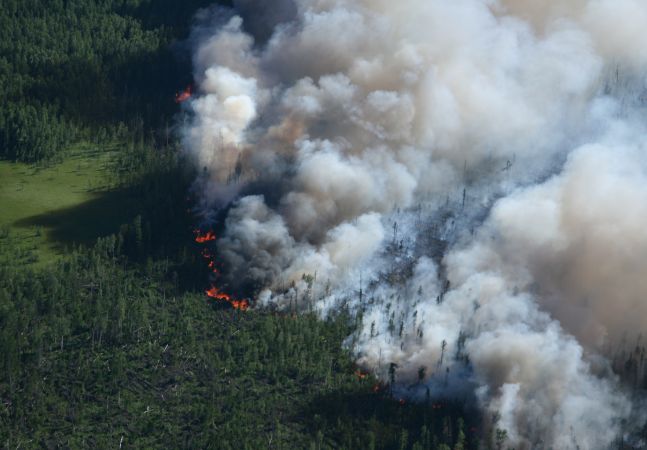
The report, which spans 143 countries and territories, highlights a growing disparity in air quality. While 75 countries saw reductions in particulate matter, 54 others experienced increases. The data underscores the significant impact of extreme weather events; record-breaking wildfire emissions from North America and Europe contributed approximately 1,380 megatons of carbon to the atmosphere.
Regional Findings and Pollutant Hotspots
Pakistan, Bangladesh, and Tajikistan ranked as the most polluted countries in 2025. In India, the city of Loni recorded the highest pollution levels globally, with PM2.5 concentrations exceeding WHO guidelines by more than 22 times. Conversely, Oceania remained the cleanest region, with 61% of its cities meeting health standards.
In the United States, average PM2.5 levels rose to 7.3 µg/m³. El Paso, Texas, emerged as the most polluted major U.S. city following historic dust storms that increased local pollution by 46%. Seattle, Washington, maintained its status as the cleanest major U.S. city for the second year in a row.
Monitoring Gaps and Health Risks
The report also identified a critical loss of data infrastructure. The conclusion of the U.S. State Department’s global air quality monitoring program in March 2025 left millions without access to reliable information. According to the Centre for Research on Energy and Clean Air, monitoring efforts were weakened in 44 countries, leaving six nations with no data coverage at all.
“Air quality is a fragile asset that requires active stewardship to protect public health,” said IQAir Global CEO Frank Hammes. “The 2025 World Air Quality Report makes clear that without monitoring, we cannot fully understand what’s in the air we breathe.”
Experts suggest that expanding low-cost sensor networks is vital for empowering communities and policymakers to address the root causes of pollution, including fossil fuel combustion and industrial agriculture.
“This open, transparent data is an essential tool for holding polluters accountable and securing a healthy environment for everyone,” said Dr. Aidan Farrow, Senior Scientist at Greenpeace International.
About the Author
Jesse Jacobs is Assistant Editor of EPOnline.com.
