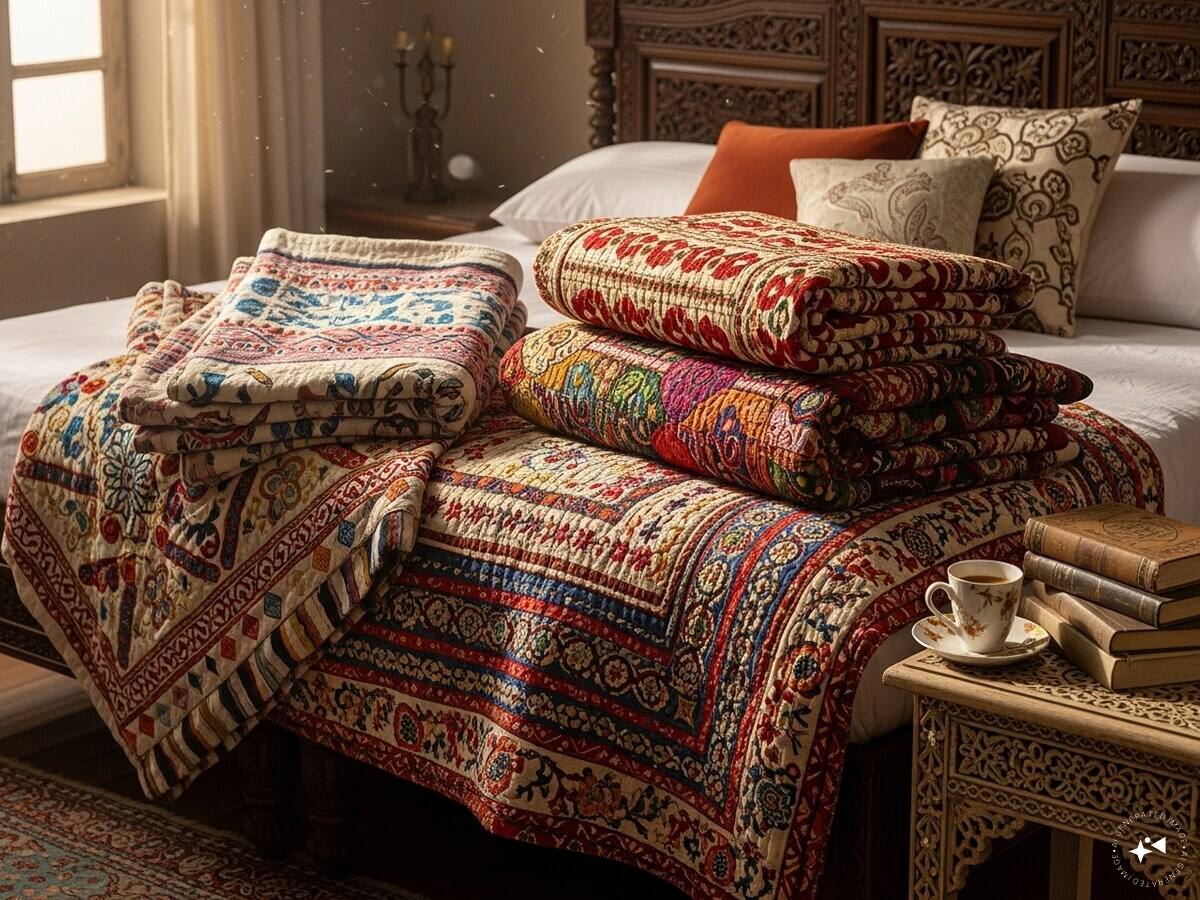
Quilts and blankets don’t create heat at all. They work by trapping your body’s warmth and insulating it from cold air, a simple science that explains why they feel cosy in winter
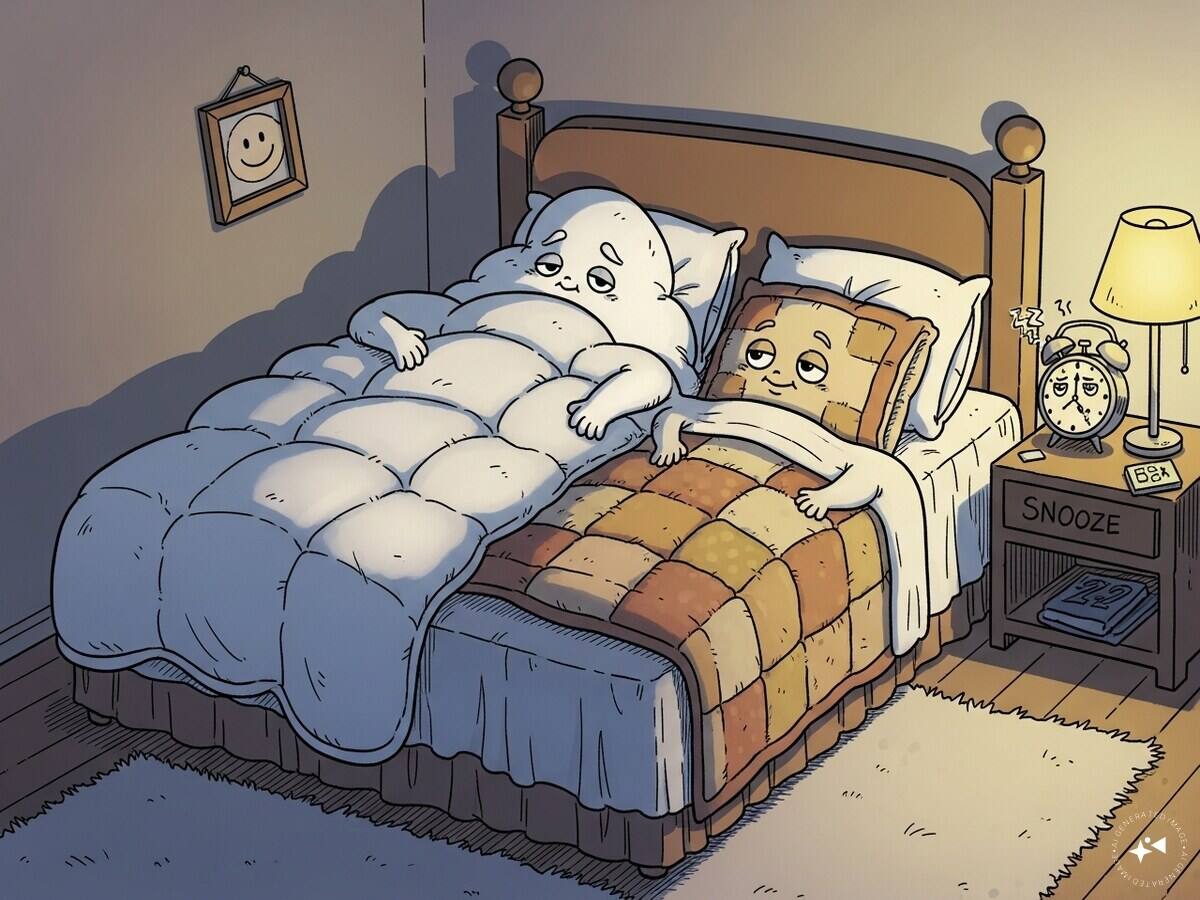
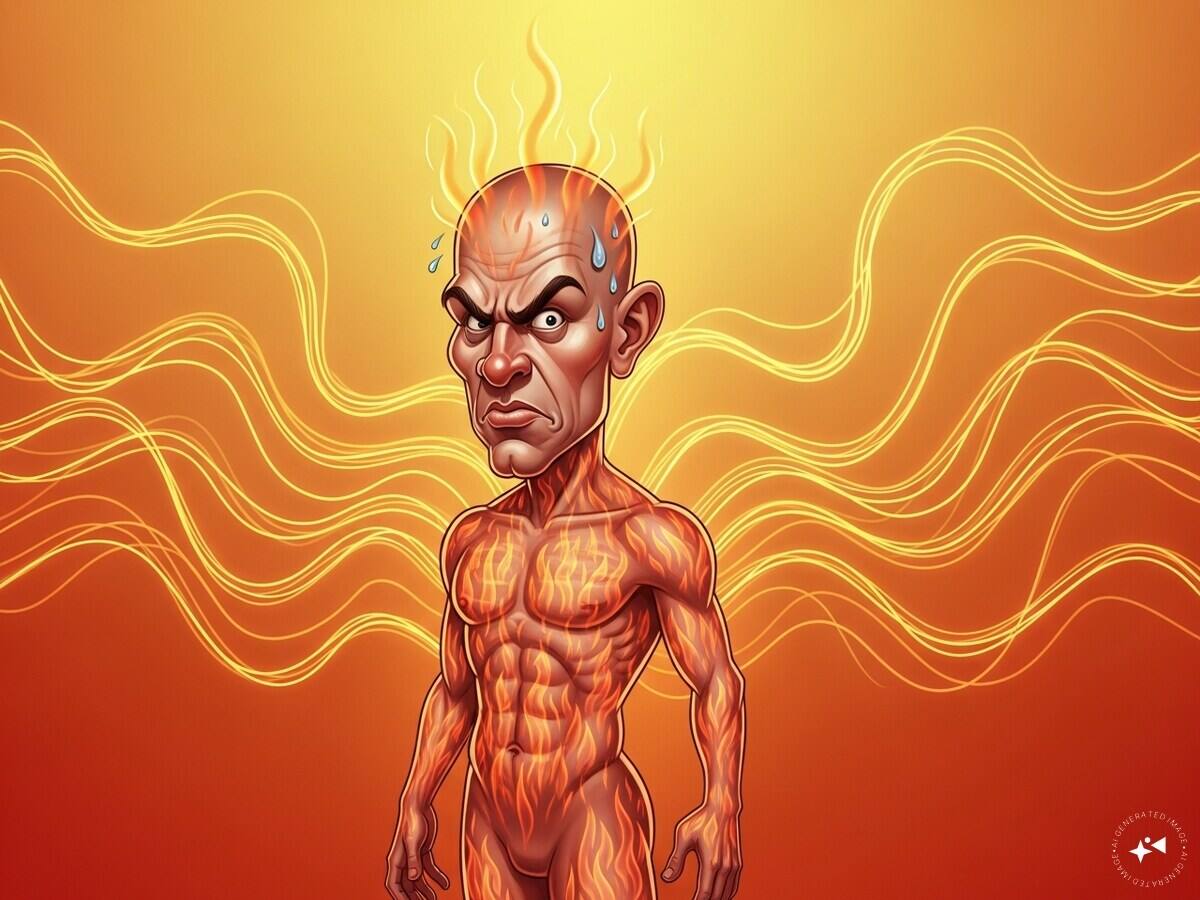
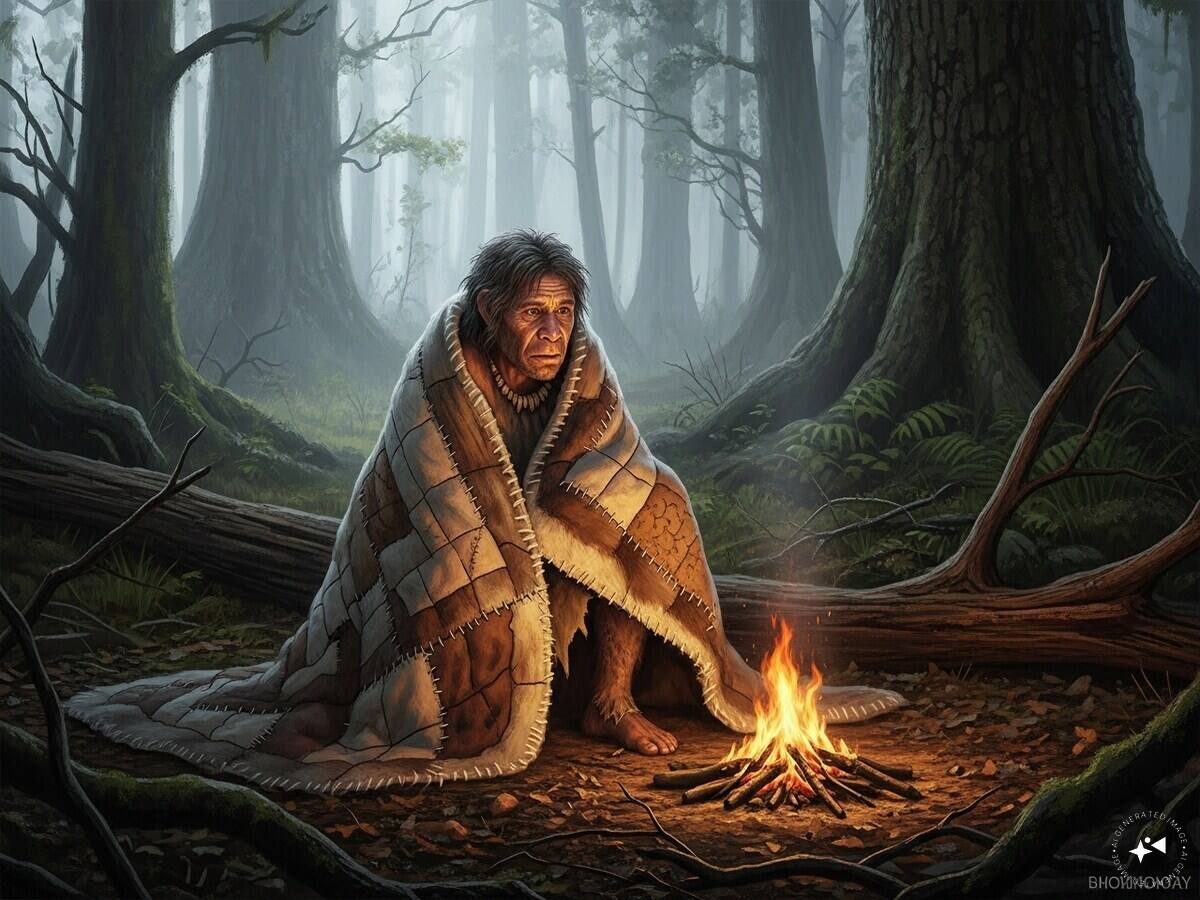
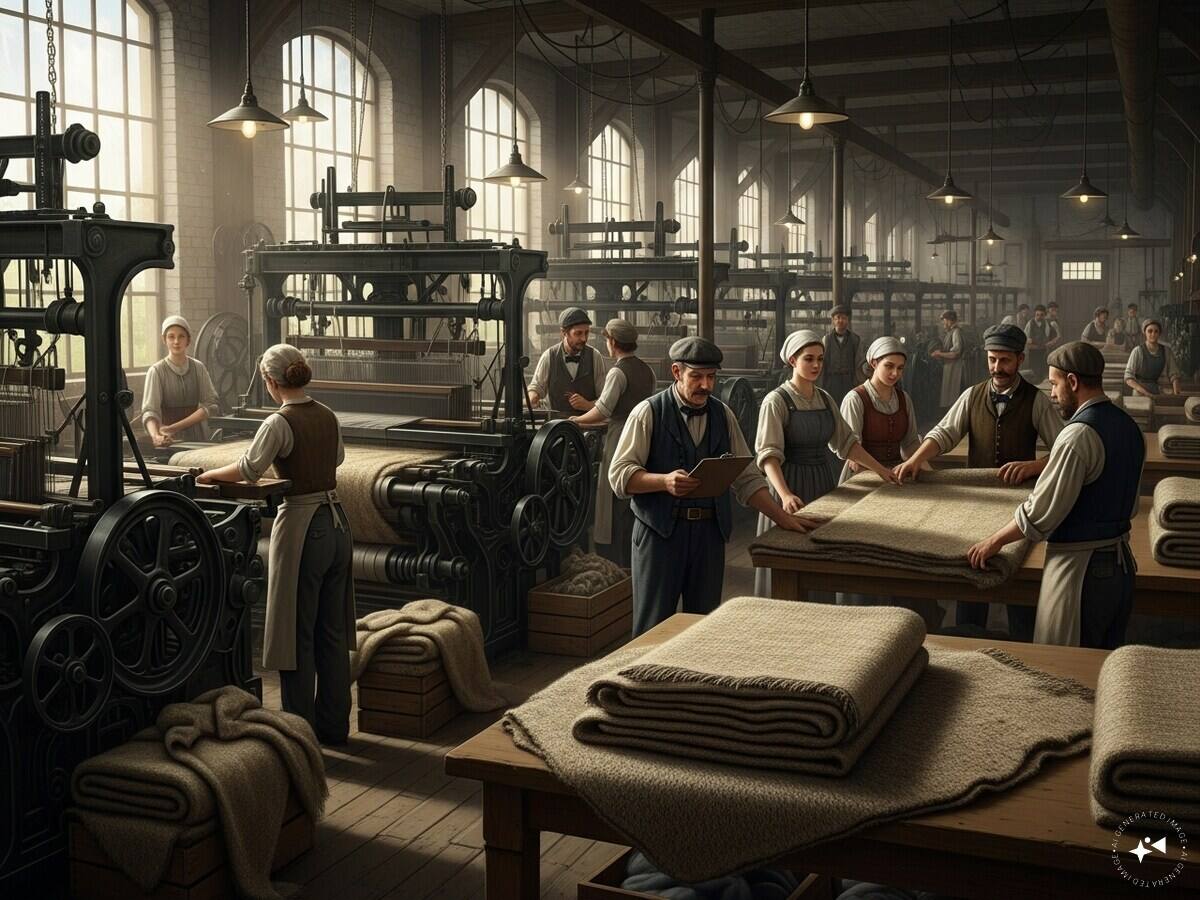
Here’s the real secret. No matter how premium or heavy a quilt is, it does not generate heat on its own. Instead, it stops your body heat from escaping. Quilts and blankets work by blocking cold air from entering and trapping the warmth your body already produces.This is why, after a while, you start feeling hot under a quilt. The human body constantly releases heat. When that heat gets trapped, the air inside the quilt warms up. Heavier quilts hold this heat longer, while lighter blankets lose it faster.Quilts and blankets are heat insulators. They trap layers of air between fibres like wool or cotton. This trapped air slows down heat loss. Using two blankets adds another air layer, increasing insulation and helping the body retain its metabolic heat.So how much heat does the human body actually produce? At rest, a healthy adult generates around 80–100 watts of heat, similar to a traditional light bulb. Light walking increases this to 200–250 watts. Running or intense exercise can release 600–1,000 watts, comparable to a small heater. Over an entire day, the body produces roughly 2,000–2,500 kilocalories of energy, enough to charge a mobile phone several times.Producing heat is not enough; the body must regulate it. This is controlled by the hypothalamus, a part of the brain that works like a thermostat. When the body gets warm, blood vessels near the skin expand, releasing heat. Warm, moist air also escapes when we breathe out.Humans have been using coverings for warmth for tens of thousands of years. Around 70,000–50,000 years ago, early humans used animal skins and fur from hunted animals for bedding and protection. This was the earliest form of blankets.In ancient Egypt, people used lightweight linen blankets, often decorated, especially among royalty. In ancient Rome, woollen blankets known as lodi were commonly used as bed coverings. Quilts are believed to have originated in ancient China and Egypt.Blankets, as we know them today, became popular later than quilts. By the 14th century, cities like Bristol and regions in Wales were well known for wool blanket production. In the 18th century, an Englishman named Thomas Blanket blended cotton and wool to create a new type of blanket, which led to the name blanket.
Stay Ahead, Read Faster
Scan the QR code to download the News18 app and enjoy a seamless news experience anytime, anywhere.
Every winter, we hear the same line: this quilt is very hot, that blanket gives intense warmth. But here’s the truth: no quilt or blanket is actually hot. So how do they keep us warm? The science behind it is more interesting than you think.