



Mumbai, the “City of Dreams”, has long been synonymous with rocketing real estate values, and the lavish lifestyles of Bollywood celebs, industrialists and business tycoons. Among many premium buildings, stunning mansions, and heritage bungalows, one of the most talked-about and controversial (you’ll know why) properties in Mumbai is the ultra-luxe Lincoln House. This sprawling historic mansion in Breach Candy/Bhulabhai Desai Road has seen complex legal battles, making it as much a case study in luxury real estate. Today, the historic home is owned by billionaire industrialist Cyrus Poonawalla. He bought this piece of history from the U.S. Government for about ₹750 crore (around US$113 million). Now that some kind of whooping real estate money! In its time, the Lincoln House made headlines for being one of the most expensive residential property deals in India’s history.The property’s real worth lies in its architectural beauty and prime location. Lincoln House is built on South Mumbai’s most expensive residence overlooking the Arabian Sea. Let’s take you inside this iconic mansion’s history, controversy and current ownership: A historic gem and royal connectNot many must be aware of the fact that Lincoln House was not always known as the Lincoln House. The Maharaja of Wankaner was its original owner and that’s why it was called the Wankaner House (former name). Spread across about 50,000 square feet, the lavish mansion was built in 1933 by British architect Claude Batley. But in 1957, Amarsinhji Banesinhji leased the property for a nominal amount of 18 lakhs to the U.S. Government and it became home to the U.S. Consulate General to India. The record-setting saleThings changed in 2015 when Indian billionaire industrialist Cyrus Poonawalla agreed to buy Lincoln House from the U.S. Government for approximately ₹750 crore. This was a milestone moment in Indian real estate. The transactions sit at the top of bungalow deals ever happened in India. For people like Poonawalla, such estates are not just their residences but legacy assets.Legal issuesDespite the done deal, almost 10 years later, the transfer of ownership has not officially been completed. The sale is stuck in a complex legal and bureaucratic dispute between the U.S. Government, the Indian Government, and Maharashtra authorities. The dispute is over land rights and defense estate clearance requirements. Also, such properties, despite the private ownership, carry many approval challenges. It is because of the involvement of the government land and heritage classification and also international ownership.Inside the house
PC: archidust
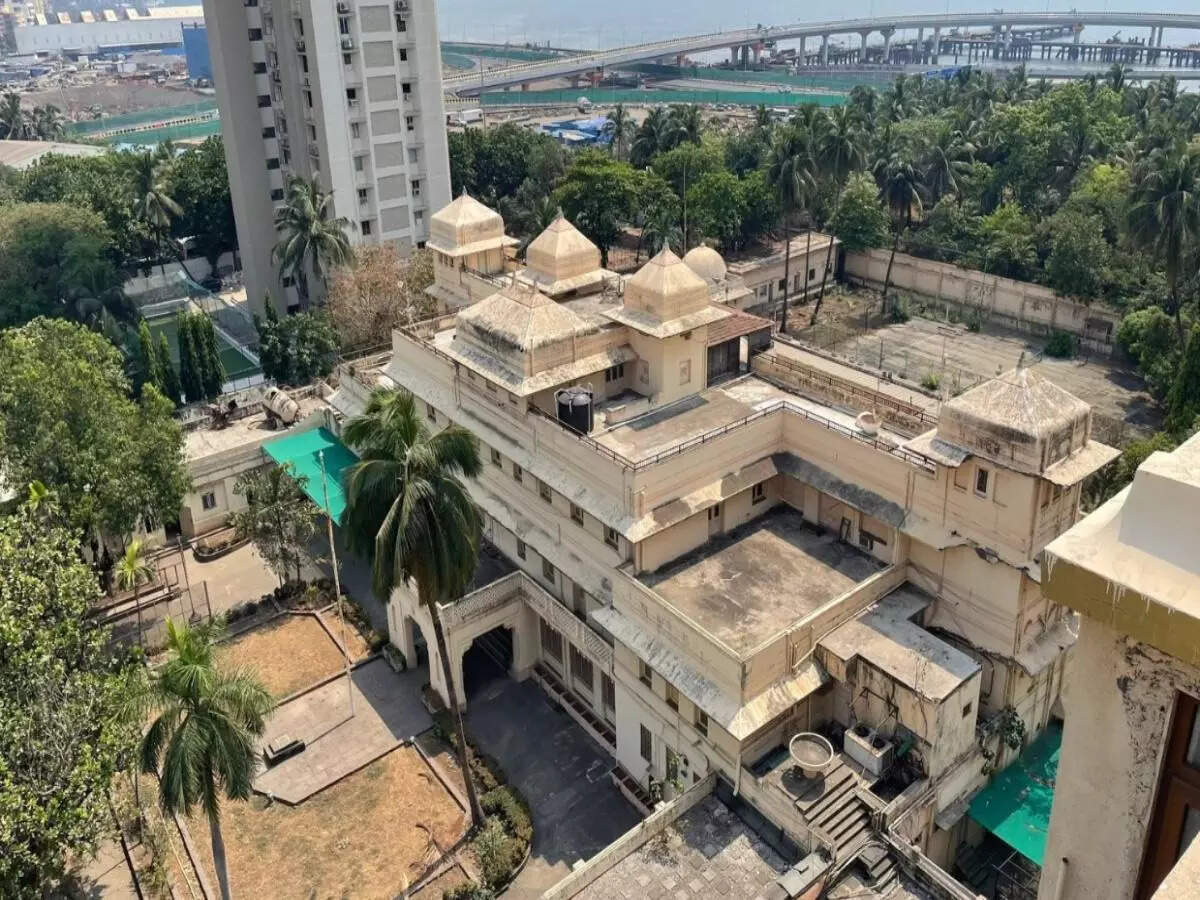
The Poonawala Mumbai residence boasts Indo-Saracenic design and Art Deco interior elements which reflect pre-Independence Indian elite architecture. It is also graded as a Grade-III heritage structure and is recognised for cultural value.Low-rise, horizontal planning: Lincoln House showcases a horizontally expansive layout. It not only prioritises privacy but also promotes openness and visual connection with nature and surroundings.Art Deco: Subtle Art Deco detailing is visible in the interiors of the house. It reflects the transitional architectural phase of the 1930s when global design movements had just started influencing Indian luxury homes.Grand exterior: The house is all about tall columns, wide verandas, and symmetrical façades. The high ceilings, large halls, and big rooms were designed for ceremonial living.Natural light: Large verandas, and room spacing allow for cross-ventilation and daylight are some of the prime features of the house. Heritage-led constraints: Being a protected heritage structure, there are constraints too. Before any renovation or upgrade, the owner must follow strict conservation guidelines, which influences both restoration timelines and costs of the property.Visible ageing: Certain sections of the house show visible ageing. These are signs of neglect, limited maintenance and no restoration over the years.Despite its current condition, the Lincoln House remains a real estate benchmark.
