


More than two decades after two Mississippi landowners began restoring their land to help an endangered tortoise, their work has now created a new home for one of North America’s rarest amphibians. In June 2026, conservationists released nearly 500 captive-reared dusky gopher frogs (Rana sevosa) into wetlands at Woodland Cottage, a private estate in Hancock County, Mississippi, owned by Jim and Laura Currie. The release created the only active population of the species in Hancock County and marked the first time the federally endangered frog had been released on private working land. The release was the result of a habitat restoration effort that began long before the frogs arrived. More than 20 years ago, the Curries partnered with the United States Fish and Wildlife Service’s Partners for Fish and Wildlife Program, Wildlife Mississippi and the US Department of Agriculture Natural Resources Conservation Service. Their original goal was to restore damaged land for the gopher tortoise (Gopherus polyphemus), another threatened species found in the longleaf pine ecosystem. The landowners replanted clear-cut timber areas and former cattle pastures with native longleaf pine. They also restored native grasses and brought back regular prescribed burns to maintain an open forest.
Burrows and biological connections
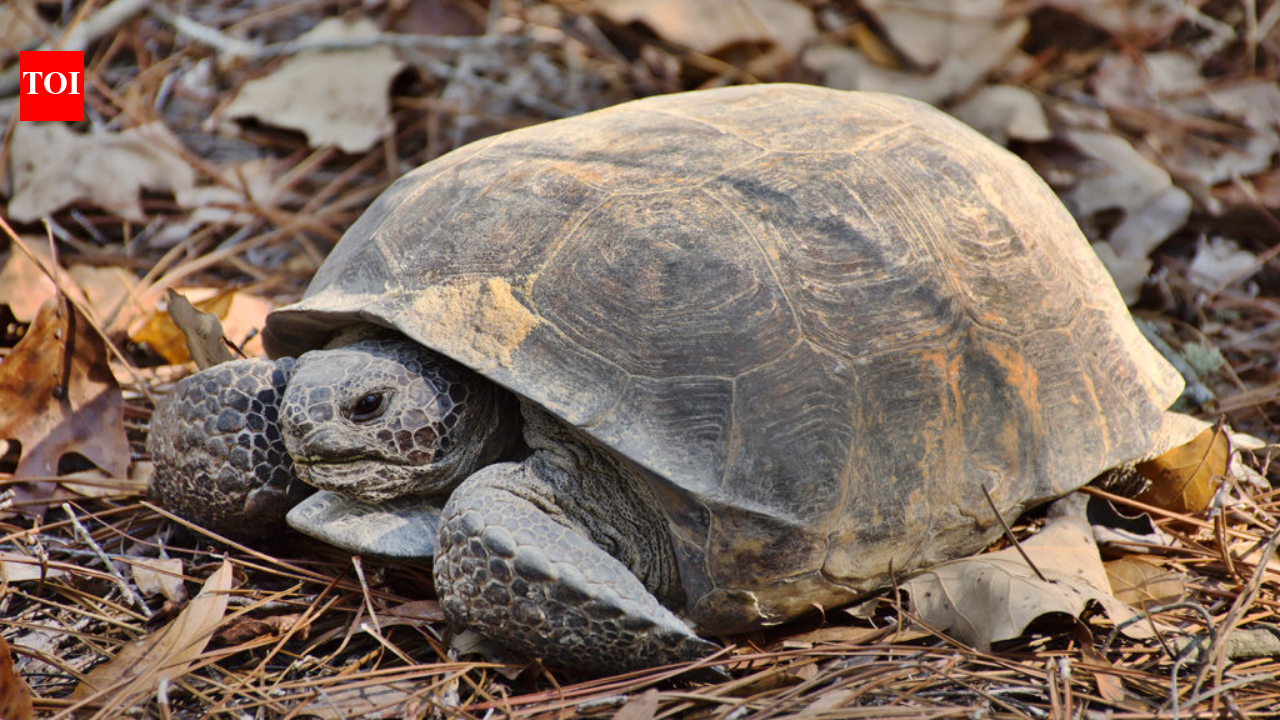
The work carried out for the gopher tortoise also created the conditions needed for the dusky gopher frog. Gopher tortoises are important to longleaf pine forests because they dig underground burrows that can reach up to 10 metres in length. These tunnels provide shelter for more than 300 native species, protecting them from extreme temperatures, winter cold and seasonal wildfires. Dusky gopher frogs depend heavily on these tortoise burrows. They spend much of their lives underground and come out during wet winter months to travel to isolated, fish-free temporary ponds where they breed. Without nearby underground shelters, the frogs cannot survive in the wild. Historically, the dusky gopher frog lived across coastal longleaf pine forests from eastern Louisiana through southern Mississippi to lower Alabama. But fire suppression, commercial logging, urban growth and the loss of seasonal breeding wetlands destroyed much of its habitat. According to records maintained by the US Fish and Wildlife Service, the wild population fell sharply between 1988 and 2004. By then, only one known breeding population remained, restricted to a single pond inside De Soto National Forest in southern Mississippi.
Zoo breeding and private land partnerships
Restoring the wild population required captive breeding. The frogs released at Woodland Cottage were raised by specialists at the Memphis Zoo as part of a recovery programme involving the US Fish and Wildlife Service, the Mississippi Department of Wildlife, Fisheries, and Parks, and Wildlife Mississippi. According to project details published by the US Fish and Wildlife Service in July 2026, biologists transported the zoo-raised frogs directly to ponds on the Curries’ estate. The project shows the growing role of private landowners in wildlife conservation. More than 80 percent of land in the southeastern United States is privately owned, which limits what federal agencies can achieve using public lands alone. The US Fish and Wildlife Service said the release showed the important role that conservation-minded private landowners can play in recovering endangered species and restoring native ecosystems. Despite the release, the dusky gopher frog remains highly vulnerable. Poor weather, long periods of drought and fungal diseases such as chytrid can continue to affect the survival of wild frogs across southern breeding areas. Wildlife teams will monitor the release sites at Woodland Cottage in the coming seasons. Their goal is to find out whether the frogs can establish a stable, self-sustaining population in their new home.
