


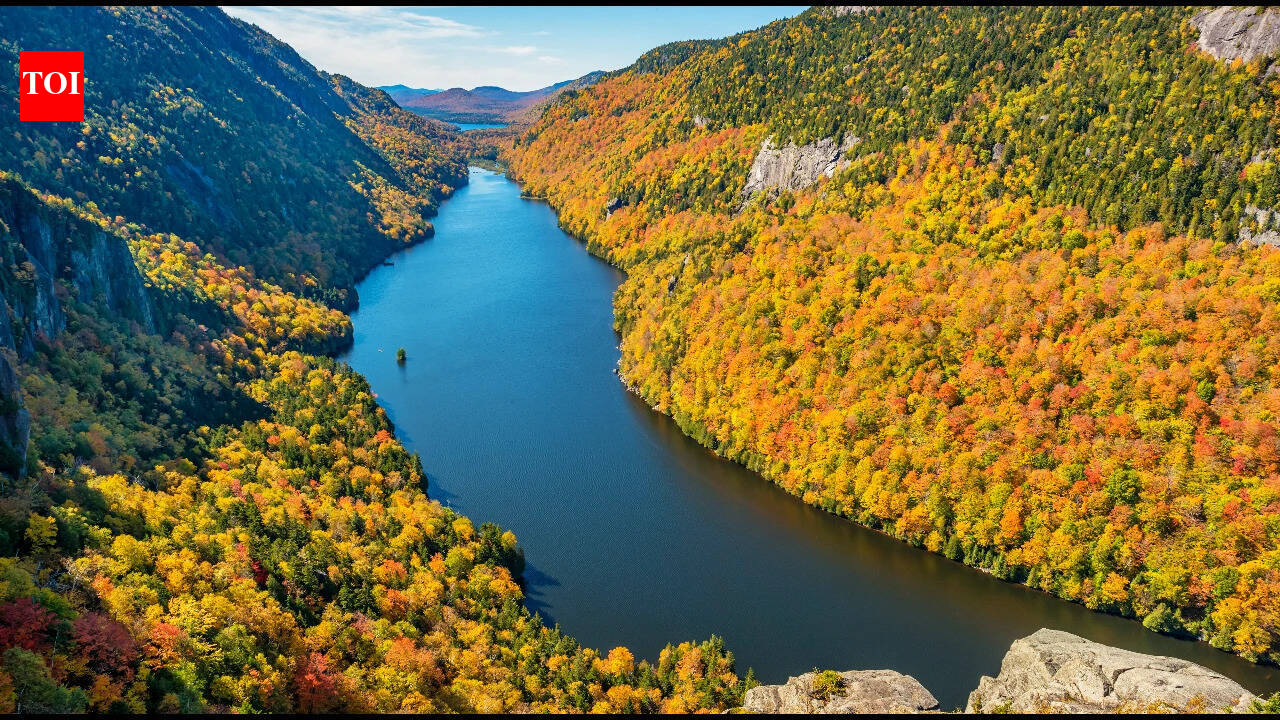
What if lakes could warn us about an environmental disaster? These freshwater systems may be giving off subtle biological signals long before the fish start dying off, the algae bloom on the water, or the pollution becomes hazardous. Well, the difficulty has always been how to read them. But, a new international study suggests that a vast chain of shallow lakes stretching more than 1,000 kilometers along the Atlantic coast of southern Brazil and Uruguay could become one of the world’s most valuable natural observatories for detecting those warning signs. Watching these connected lakes over time, scientists believe they can see the first signs of climate change, pollution and ecosystem collapse—long before any damage is irreversible. Published in the journal One Ecosystem, the research provides the first systematic assessment of the Southern American Coastal Shallow Subtropical Lakes, emphasizing their importance for South America and for global freshwater research.
A hidden giant of the freshwater
Despite being one of the largest continuous networks of coastal shallow lakes on Earth, the lake network has been relatively understudied compared to iconic freshwater ecosystems in North America and Europe. As per the report published by Phys Org, together, these lakes offer a unique natural laboratory, enabling scientists to see how freshwater ecosystems function in a sub-tropical environment. They are among the most diverse and interconnected ecosystems on Earth, and are affected by natural climate cycles and human activities that make them ideal for long-term ecological research. “Most of what we know about freshwater ecosystems comes from studies in the Northern Hemisphere,” the researchers say, “and studying these lakes can help fill a big gap in our knowledge.”
Why these lakes are important

These lakes are also exposed to multiple stressors at the same time, giving scientists a rare opportunity to study how freshwater ecosystems respond to complex environmental changes
The region is already suffering from many of the environmental pressures which are expected to be widespread in the future. These freshwater habitats are increasingly subject to the pressures of climate variability associated with the El Niño–Southern Oscillation, rapid urbanisation, agricultural runoff, untreated wastewater and the increasing occurrence of contaminants such as pharmaceuticals and microplastics. In addition, extreme rainfall events and flooding are occurring more frequently, adding stress to ecosystems already responding to changing environmental conditions. These lakes are also exposed to multiple stressors at the same time, giving scientists a rare opportunity to study how freshwater ecosystems respond to complex environmental changes as they happen.
Nature’s early-warning system
One of the more tantalizing suggestions from the study is the use of these lakes as “sentinel ecosystems” — natural ecosystems that may provide the first signs of ecological strain. Rather than wait for visible damage, researchers hope to identify subtle biological and chemical changes that appear much earlier. To reach this goal, scientists are planning to combine several advanced monitoring techniques, including Analysis of environmental DNA (eDNA), microbial ecology, remote sensing from satellites, chemistry of water, and long term ecological observations. Combined, these tools can paint a detailed picture of ecosystem health, enabling researchers to detect pollution, biodiversity loss and changes in water quality before they become severe.
The science that underlies early detection
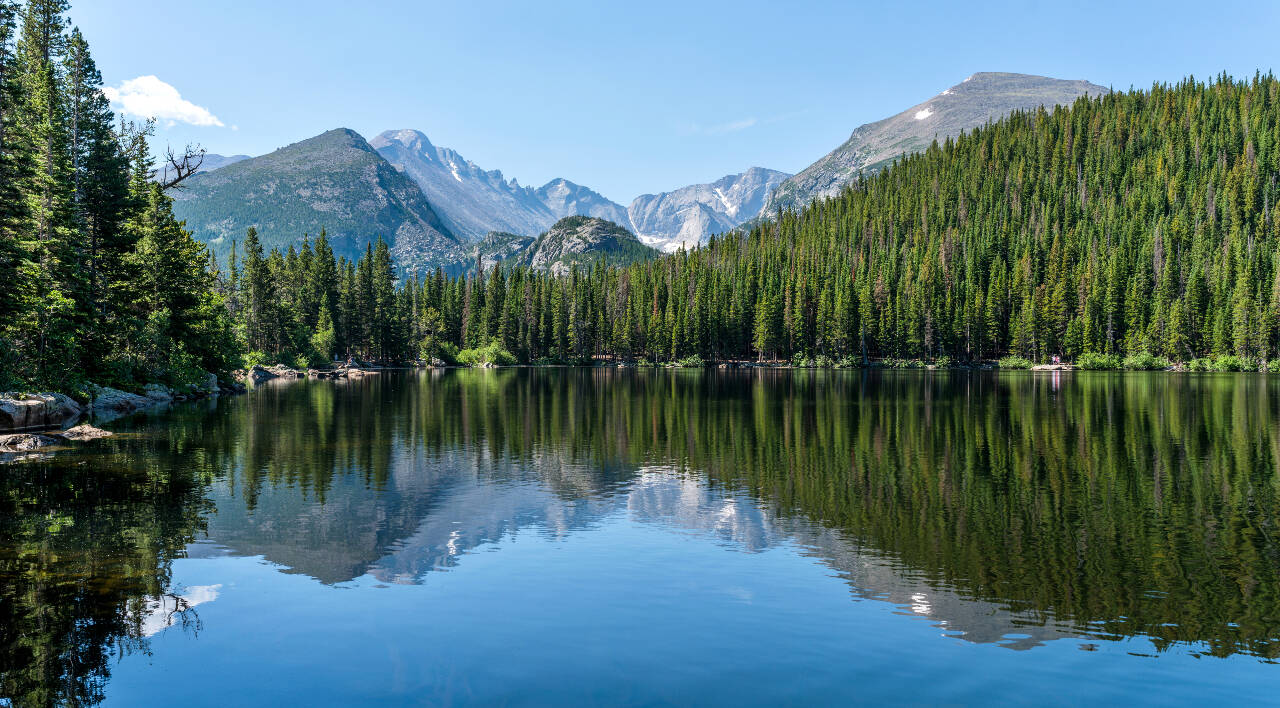
Scientists may examine the water samples to tell which species are present without having to catch or see the animals
A healthy lake is full of billions of microorganisms like bacteria, algae, fungi and microscopic plankton. These tiny organisms are very responsive to changes in temperature, nutrient levels, pollution and the amount of oxygen. Microbial communities can change within days or hours and are often highly sensitive biological indicators of ecosystem health. Scientists can now monitor these changes by analyzing environmental DNA, or eDNA—genetic material that plants, animals and microorganisms naturally shed into the water. Scientists may examine the water samples to tell which species are present without having to catch or see the animals.When combined with satellite imagery and water chemistry measurements, eDNA lets researchers track biodiversity, find pollution, and follow ecological shifts across hundreds of lakes with striking precision. Such an integrated approach could serve as an early-warning system to help conservationists and policymakers intervene before ecosystems reach irreversible tipping points.
Constructing an international monitoring network
The study arose from a joint workshop in Porto Alegre, Brazil, where researchers from Brazil, Uruguay, Germany and Sweden gathered to set priorities for future freshwater research. The team chose four representative lake regions that cover the entire spectrum of environmental conditions across the system. It is anticipated that these sites will form the basis for coordinated long-term ecological monitoring. The scientists hope the project will develop into an internationally linked research network that can provide ongoing data on biodiversity, pollution, climate impacts and ecosystem resilience.Images Courtesy: istock
