


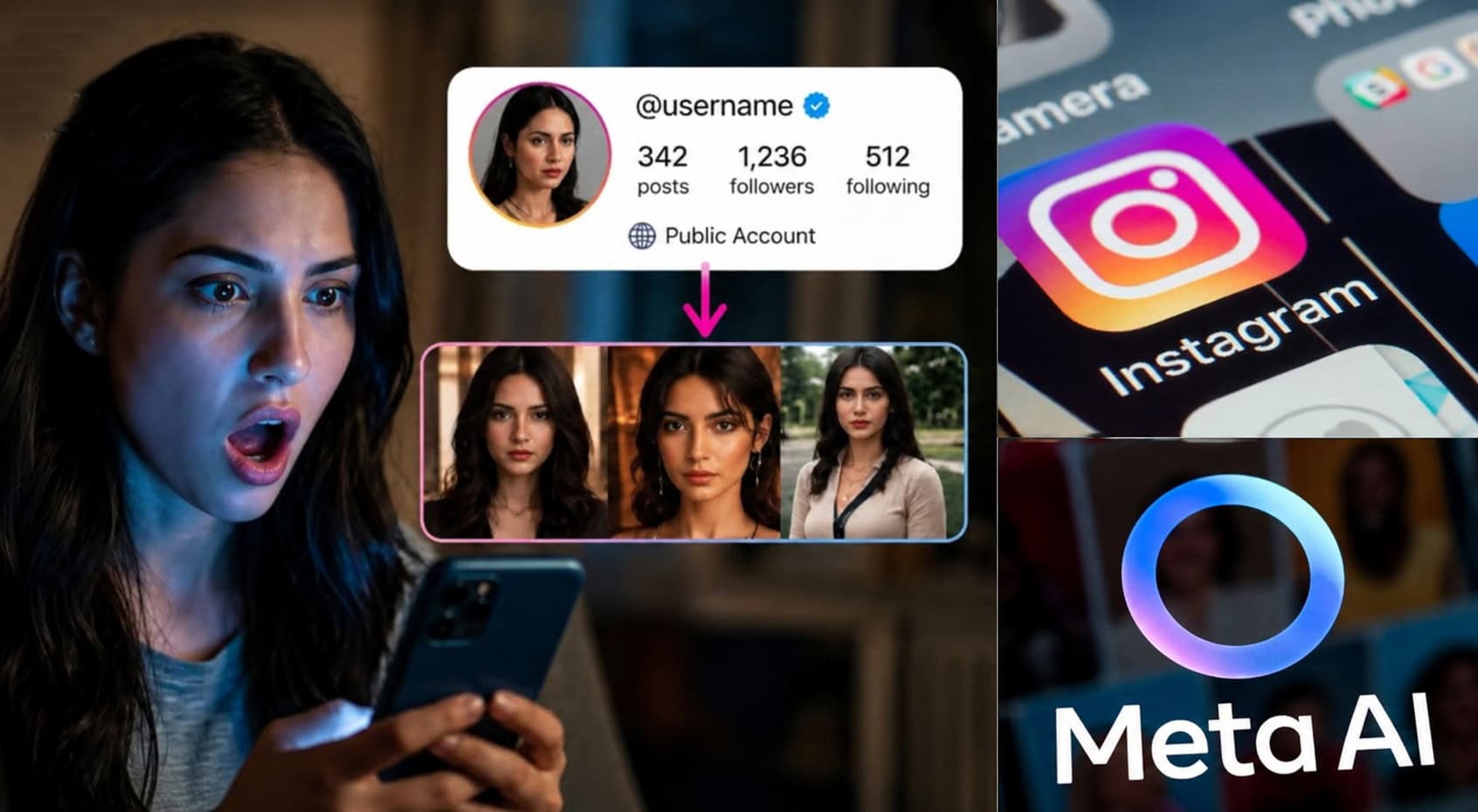
Instagram and WhatsApp parent company Meta tried to move fast with a cool-but-problematic Image AI generator feature, and got burned by criticism around consent and celebrity rights, and pulled it to limit damage, showing that even big AI players are having to slow down or adjust when the backlash comes from powerful stakeholders.
Amid mounting backlash from users, privacy advocates, and Hollywood bigwigs, Meta quietly removed AI feature that allowed people to generate images using content from public Instagram accounts, and thats without getting permission from profile owners.
The move prompted backlash as Meta AI feature could cause trouble by allowing anyone to generate realistic AI images based on person’s public Instagram snaps, allowing users to easy misuse such as creating deepfakes, fake nude or impersonating celebrities or influencers for scams, spreading misinformation, and damaging reputations.
It also undermines personal privacy and consent, especially since public accounts were opted-in by default. For public figures and creators, it threatens their right to control their own likeness and creative style, potentially leading to unauthorized commercial use, identity theft, or harassment.
The feature, introduced alongside Meta’s Muse Image AI generator, enabled users to simply tag a public Instagram account and create AI-generated visuals inspired by that account’s publicly shared posts. Meta initially marketed the capability as a tool for creating personalized event invitations, collaborative artwork, and other creative projects.
Meta has now ended the feature, the company said it listened to user feedback and admitted the rollout had “missed the mark.” Meta added that its intention was to provide a useful creative tool while ensuring users retained control over how their public content could be referenced by AI.
Top Artists agencies raised concerns directly with Meta, arguing that no individual’s name, image, likeness, voice, or creative work should be used by AI systems without clear, documented consent.
Some other members and artists unions also urged its members to opt out of the feature, warning about the risks associated with unauthorized AI use of personal identities and creative content.
Social platforms are rapidly rolling out such AI features to stay competitive in AI race, engage more users, and increase time spent on their apps. These tools allow them to leverage the massive amount of photos and data they already have from users to create personalized, creative AI experiences that feel innovative and sticky.
Ultimately, it helps drive future revenue through premium AI subscriptions and advertising. They launch with opt-out defaults to maximize usage and data, following the “move fast and deal with issues later” approach, even if it raises serious concerns about consent and privacy.
Meta unveils centralized way to sign in Facebook, Instagram and other apps
