


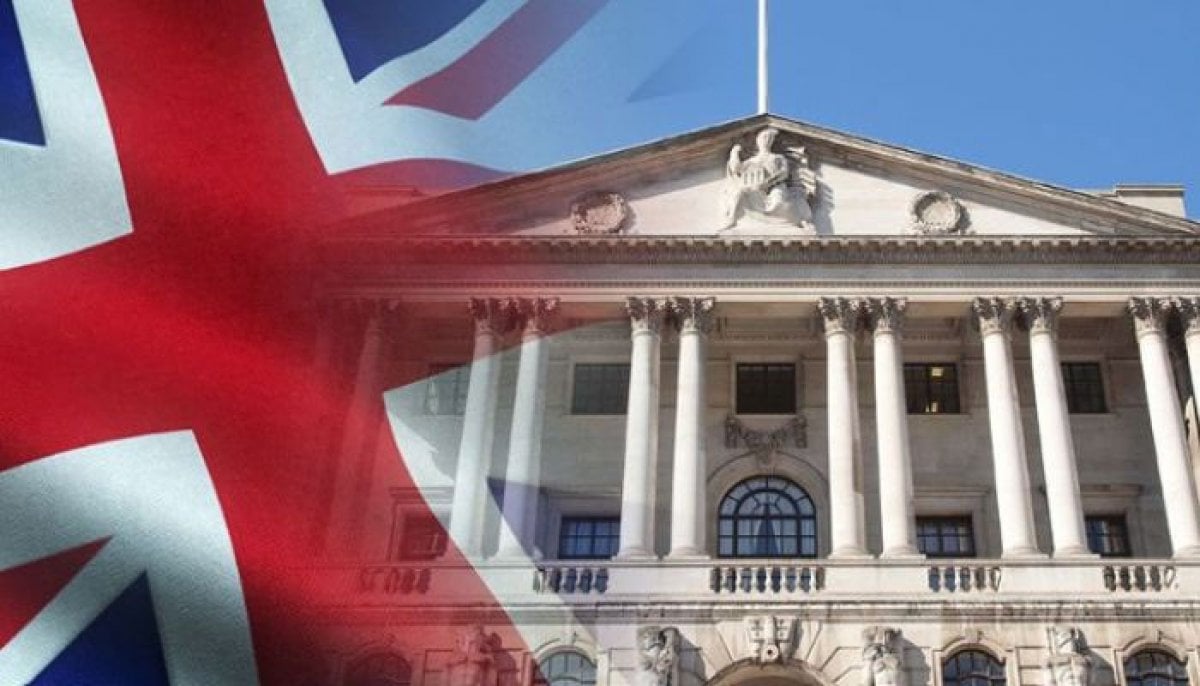
The Bank of England has warned that artificial intelligence is becoming a growing source of risk to the financial system, adding AI-specific concerns to existing worries about high asset valuations, public debt, and risky corporate lending.
In a half-yearly assessment of risks to Britain’s financial system, the central bank said previous risks it had identified from stretched share price valuations, high public debt and risky private credit lending to businesses had not gone away.
But since its last report, it highlighted additional dangers from investors – including hedge funds – borrowing to buy shares, AI-related companies borrowing heavily to fund investments and rapid growth in AI’s capacity for harm.
Despite this, it judged that Britain’s banking system remained resilient and set out proposals to make it easier for banks to run down the amount of capital they hold after a crisis in order to sustain lending to the economy.
For investors’ bets on AI to pay off, the BoE said there would need to be widespread profitable adoption of the technology, effective build-out of new infrastructure and easy access to finance for the sector.
As reported by Reuters, regulators globally have begun to focus more keenly on the impact of AI, from cyber and operational risks associated with frontier AI models such as Anthropic’s Mythos to the challenges posed by agentic systems capable of acting with limited human intervention.
At the end of June, BoE Deputy Governor Sarah Breeden signaled for the first time the need for bespoke AI regulation to contain risks posed by increasingly capable agentic systems.
“A reassessment of these prospects could trigger a fall in equity prices that might be amplified by high concentration, correlated momentum-driven positions that can exacerbate volatility as markets fall, and increased leverage,” the BoE said.
“Considerations around the future earnings potential for AI-related companies will also be relevant to the sustainability of these companies debt,” it added, noting that a lack of transparency about how they borrowed could worsen a crisis.
In Tuesday’s report, the BoE said it was unclear if better AI strengthened the hand of attackers or those seeking to defend financial systems.
But it was likely to require more frequent software updates by financial firms, which themselves carry a risk of operational disruption.
Breeden further added, “Our frameworks were not built to contemplate autonomous agents, and relying on a human in the loop for all agent actions is unlikely to be realistic.”
