


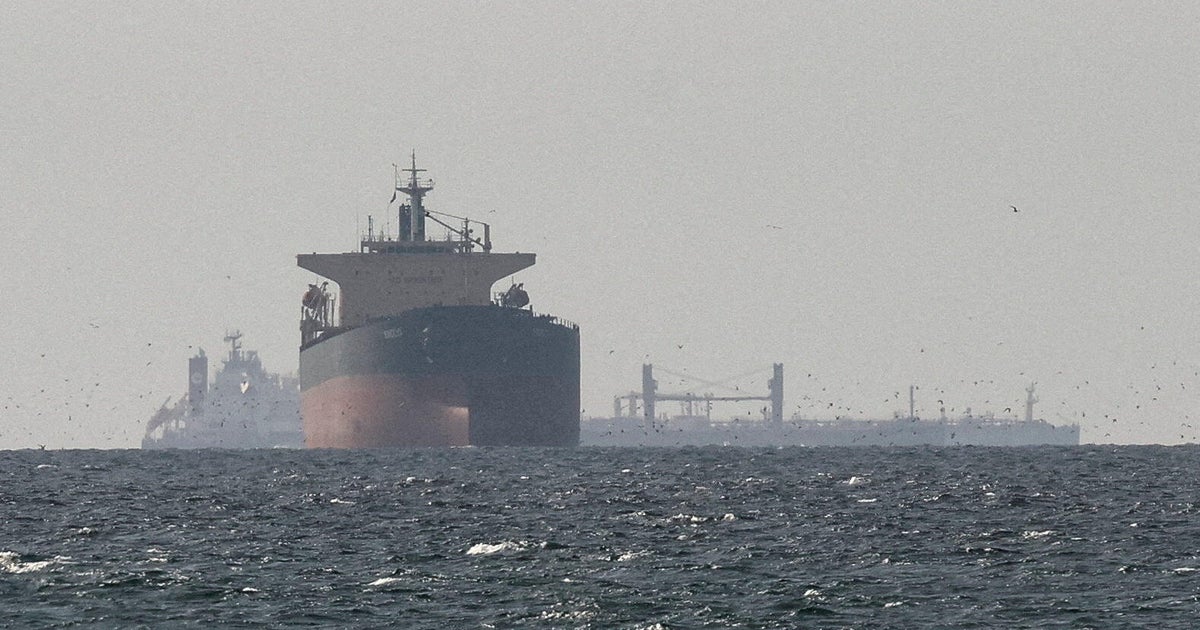
Washington’s decision to blockade Iranian ports in the Strait of Hormuz is sending tremors through global energy markets, raising fears of a fresh oil shock by threatening supplies to Asia.
Iran had continued to pump crude to Asia since the start of the Middle East war, partly shielded by its elusive “dark fleet.”
Roughly one-fifth of the world’s oil normally flows through the vital waterway. Iran has already tightened the screws in recent weeks, sharply slowing maritime traffic.
Now, the blockade of Iran’s ports ordered Sunday by President Trump threatens to land another blow to global oil and gas supplies after the fighting damaged energy facilities in the Gulf states and blocked their exports through the strait, said Amir Handjani of the U.S.-based Quincy Institute for Responsible Statecraft.
Just days after launching the war against Iran along with Israel on Feb. 28, the U.S. temporarily eased some sanctions on Tehran to prevent an abrupt energy shock — particularly for Asian economies.
Iranian crude had been helping to meet demand so far, Handjani told AFP, but he warned that the blockade now threatens that fragile balance.
“What is the U.S. Navy going to do? They’re not going to confront Chinese, Indian and Pakistani merchant ships” loading in Iranian ports, he said.
“That’s an act of war.”
China remains the world’s largest importer of Iranian crude, and on Tuesday Bejing called the U.S. blockade “dangerous and irresponsible.”
Oil prices, already climbing, will continue to surge, Handjani predicted.
