


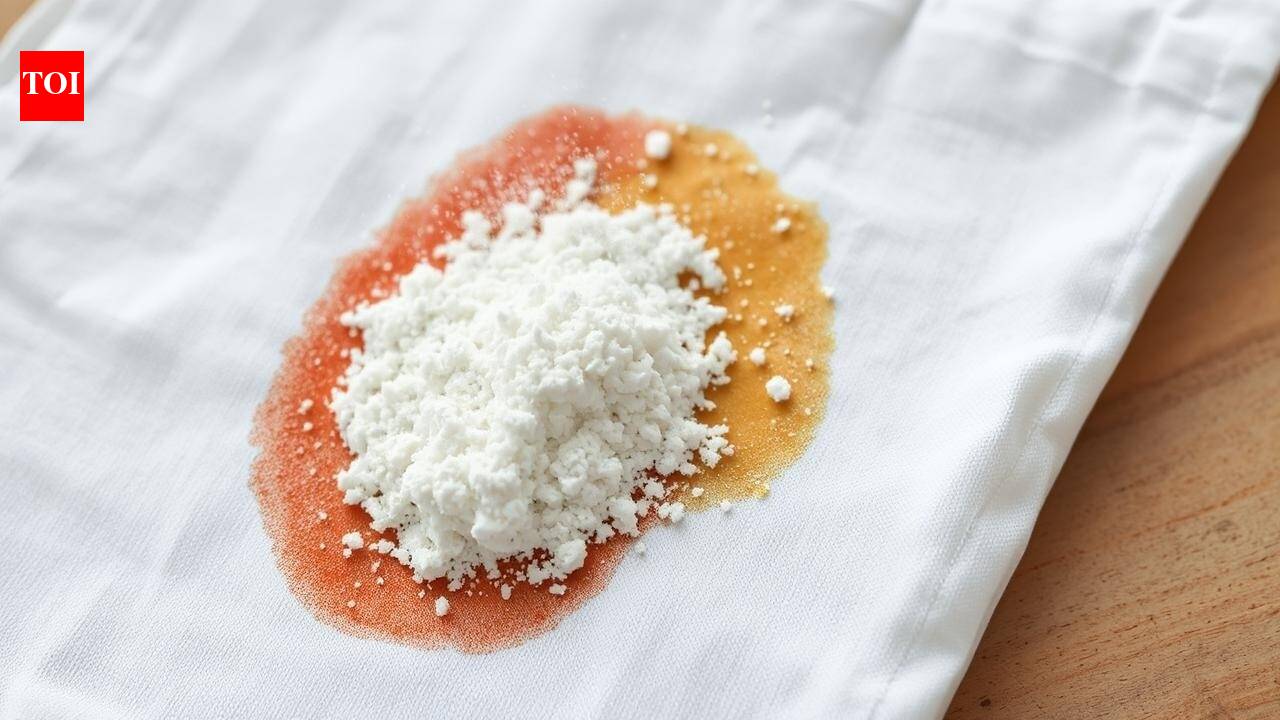
Imagine this: you’re enjoying a candlelit dinner or a relaxing pizza night at home, when suddenly a few drops of olive oil get spilt on your beloved silk blouse or your cotton dress. The scene becomes disheartening. Everyone knows that oil stains are eternal, and hence we always tend towards using toxic, artificial and heavily chemically loaded spray cleaners that smell strongly of laboratories. But there’s something better for removing those oil stains, right next to your kitchenware.What do you use when making soup? That same cornstarch that you use to thicken soups is the magic ingredient that can help remove grease stains in your clothes. Imagine yourself using the power of nature to suck oil out of the cloth and clean it effectively. By using this home remedy, you will choose an eco-friendly way of doing household work.Cornstarch as nature’s grease absorberGrease stains in your clothes are caused by oil, which is hydrophobic. During washing, it tries to avoid contact with water, hence sticking to the fabric. The solution to this problem comes in the form of cornstarch. This is a porous substance with a high surface area and will absorb grease.When you sprinkle a generous layer of cornstarch onto a fresh grease mark, you are initiating a physical absorption process. According to a study titled Understanding the properties of fat, oil, and grease and their removal using grease interceptors, these substances are highly attracted to absorbent materials that can trap their molecular structure. The cornstarch essentially “tricks” the oil into leaving the fabric and entering the powder instead. If you let it sit for about twenty minutes, you can simply brush away the powder, and with it, a significant portion of the grease.However, for those particularly stubborn and older stains, nature provides the next line of defence as science provides a biochemical hand. In such a case, research such as Purification and Characterization of an Alkaline Lipase from Streptomyces sp. AU-153 and Evaluation of Its Detergent Compatibility reveal how enzymes work on fats, reducing them to water-soluble units. In such a way, whereas cornstarch deals with new spills, using detergents together with lipases ensures any remaining particles get washed away during the final rinse cycle.
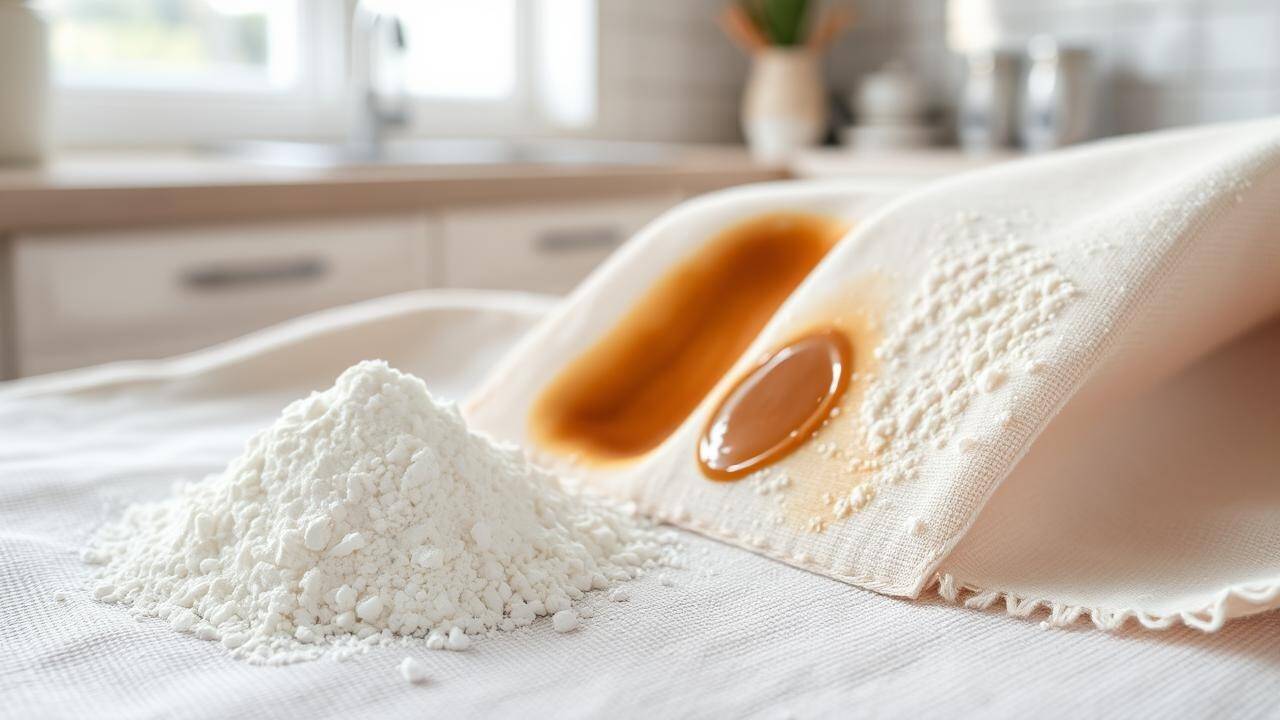
For tougher stains, enzymes in detergents help break down remaining oil. This method is safe for delicate clothes and the environment. Act quickly when a spill occurs for the best results.
A greener solution to stain removalAs far as concerns regarding conventional laundry detergent surfactant contamination of aquatic environments go, there has been an increasing shift towards more eco-friendly laundry practices. In such regard, cornstarch is not only easily accessible and cheap but also biodegradable, nontoxic and environmentally safe. At the same time, its usage for cleaning delicate woollen or silk fabrics is also easy and convenient without damaging or weakening fibres.The move toward sustainable cleaning is further supported by innovations in the industry. For instance, the paper Highly hard water tolerant bio-based non-ionic surfactant with strong stain removal efficiency for household cleaning discusses how new, plant-derived cleaning agents are becoming just as powerful as their petroleum-based counterparts. By starting with a cornstarch pre-treatment and finishing with a bio-based detergent, you are creating a multi-step cleaning routine that is as effective as it is environmentally responsible.If you want the most effective outcome, time is of the essence. At the moment the stain appears, place the garment flat on a surface and cover the stain completely with cornstarch so that it covers up the colour of the cloth. Do not scrub this into the fabric, because it will only drive the grease further into the material. Rather, dab lightly until the powder starts to lump together or darken in colour, then brush it away and apply a small amount of biodegradable dish soap to the affected area and toss it in the laundry.
