


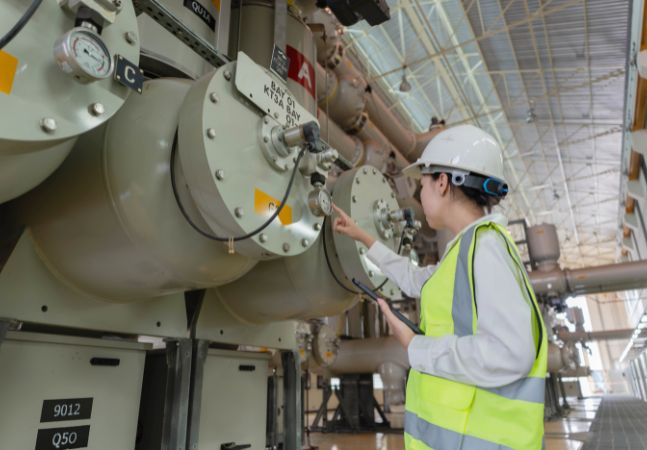
Slash Manufacturing Waste and Costs with Industrial Energy Audits
Discover how industrial energy audits uncover hidden inefficiencies, reduce carbon emissions, and save manufacturers up to 30% on utility costs.
Whether you work in an industrial setting or are a sustainability enthusiast, it is critical to know how organizations manage their energy consumption. These facilities can be among the most consumptive and wasteful on the planet, contributing substantial carbon emissions. Fortunately, there are many easy ways to discover optimization opportunities with an energy audit.
What Are Industrial Energy Audits?
Industrial energy audits operate similarly and provide comparable benefits to what a household would receive. During a home audit, professionals review everything that could compromise the building’s efficiency. This includes air leaks, poor insulation or outdated machinery.
The same thing happens in a manufacturing plant, but it requires many additional steps due to the complexity of the energy systems. They must follow more stringent guidelines from regulatory agencies, such as the American Society of Heating, Refrigerating and Air-Conditioning Engineers (ASHRAE) or the EPA. State and local programs may also impact audits. The review can examine lighting, utility bills, HVAC systems, machinery and ventilation.
Auditors also assist companies by developing an action plan after the walk-through and analysis. This strategizing helps them identify ways to implement tech more sustainably or find money-saving possibilities. These potential optimizations often go unnoticed when the company lacks awareness of the costs associated with the existing energy inefficiencies. On average, businesses save 11% in the first year of using energy management techniques, with some touting improvements of 30% or more.
How Can Organizations Use Audit Results for Positive Change?
The audit alone will not make the facility run more optimally and save money. Stakeholders and leadership must use the plan that auditors help them create to incorporate new workflows, technologies and business practices to instill an energy-focused culture. These efforts can take years to perfect, and it is a perpetually ongoing process. Many facilities begin their energy savings journeys in the following ways:
Identifying and Eliminating Energy Waste
Excessive waste sometimes produces a physical by-product. However, the hidden costs of energy overages manifest in machinery. Old equipment uses more power than it would if it were running at peak performance, or it generates landfill waste from parts that need to be replaced. Leaks of gases or liquids could lead to even more issues.
Energy audits uncover hard-to-find breaches, including oil or compressed air leaks that waste energy, money and other resources. Oftentimes, auditors use specialized tools to identify problem areas that would otherwise be difficult to detect, especially in loud, harsh environments. These oversights are why facilities lose an estimated 20% to 50% energy input as waste heat.
Optimizing Existing Processes and Systems
There are more problems auditors can find outside of faulty equipment. Many energy optimization opportunities exist by looking at well-running machinery and finding ways to make it more efficient. These enhancements can run at higher speeds with less power, or use a waste-heat capture system to leverage radiant energy as an additional resource.
Fixtures like hot water systems are known for inefficiency. These losses account for 65% of the energy expenditure for domestic hot water. When situations like this become industry expectations, businesses often accept them as standard parts of the workflow. In reality, there are many tactics for better aligning commonplace industrial installations with leaner manufacturing practices.
Uncovering Opportunities for Technological Upgrades
Auditors can ensure the performance of equipment that operators often rely on. It could be as simple as adjusting system settings or replacing a part. The plan may also include new technologies, such as incorporating solar panels instead of using diesel generators for outage backups. Strategies can involve little to no capital investment or a significant amount, depending on the organization’s goals and budgets.
Outdated fixtures, like incandescent lights, are among the easiest ways to transition to a more energy-conscious workplace. Along with using more energy than modern LEDs, lighting accounts for 5% of total air pollution worldwide. Moving to longer-lasting, smart alternatives is one of the best ways to make an immediate impact. Businesses may consider installing sensors or other data-gathering technologies to improve energy-based metrics monitoring. Then, they can gradually incorporate other savings opportunities in the coming quarters as more problem areas are discovered.
What Kind of Savings Do Energy Audits Produce for Manufacturers?
Financial savings are arguably the most pertinent advantage for facilities, even though there are many other benefits of energy audits. They can vary drastically, depending on several factors, including:
- What the company manufactures
- The extent to which they have adopted innovations, such as artificial intelligence or robotics
- How large their buildings are, including any outdoor structures such as data centers and warehouses
- How old the company is, and how long it has gone without an energy audit
Auditors consider these factors to create the most curated plan for the industry and building. Operators can save money on overhead lighting, equipment, fuel and production line energy by cutting inefficiencies and moving to more modern business practices.
The work environment could become safer, as dangerous leaks and heat concerns become a worry of the past. If teams are exposed to fewer risks on the production floor, then fewer incident reports may occur. This leads to organizations finding hidden savings in fewer workers’ compensation claims, compliance fines and reduced turnover.
If the team has improved morale alongside higher-performance machinery, then productivity will increase. Output could improve, making the return on investments in energy-saving technologies quick. The payback period shortens further as organizations produce fewer greenhouse gas emissions, thereby reducing the number of credits and carbon taxes they must pay.
Harnessing Audits for Lasting Gains
While preserving a few extra dollars in the budget may seem the most enticing motivation for an industrial energy audit, the long-term benefits are far greater. They have monumental implications for manufacturing operations worldwide. If more companies adopt efficiency and sustainability in their energy management, then it will set a precedent for every stakeholder on the planet. Eventually, workplaces can be forward-thinking and adaptable to future energy needs while keeping the climate at the forefront.
