


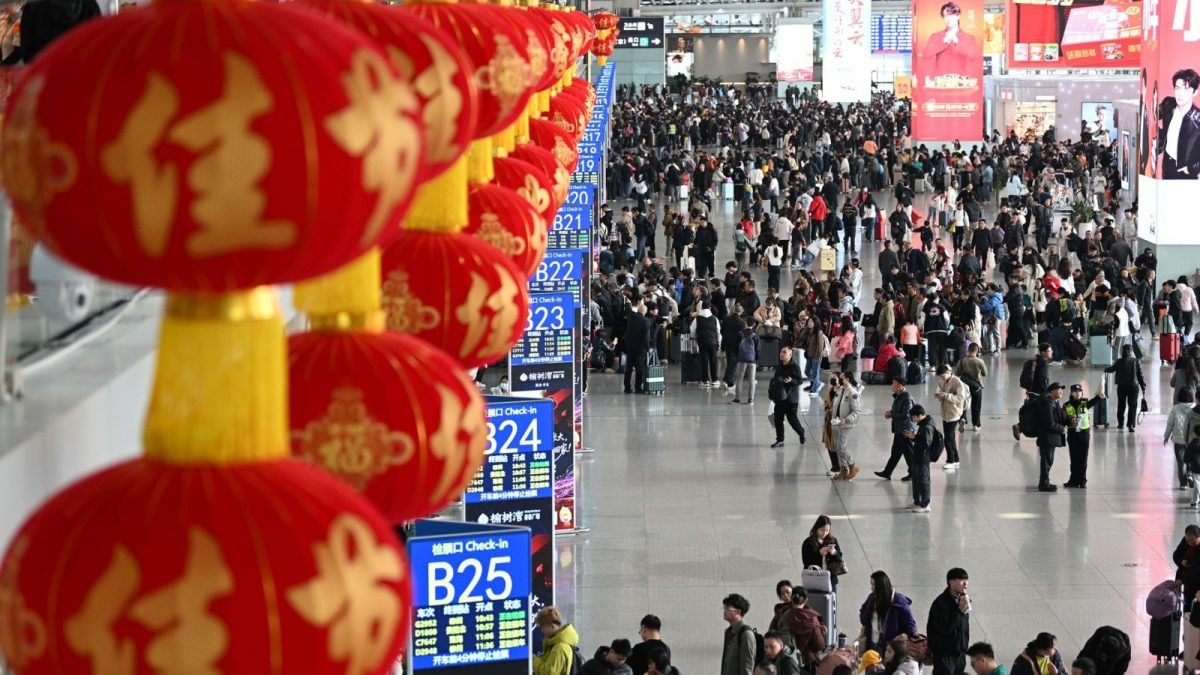
Every February, China witnesses a phenomenon so vast that it dwarfs any other human movement on the planet – the Chinese New Year travel rush, known locally as chunyun. It is more than just a holiday exodus; it is a cultural ritual, an economic barometer, and a logistical test of one of the world’s most complex transport systems. In 2026, this migration has reached record‑breaking proportions, underscoring both the resilience of China’s infrastructure and the enduring importance of family reunions in Chinese society. (File Photo)
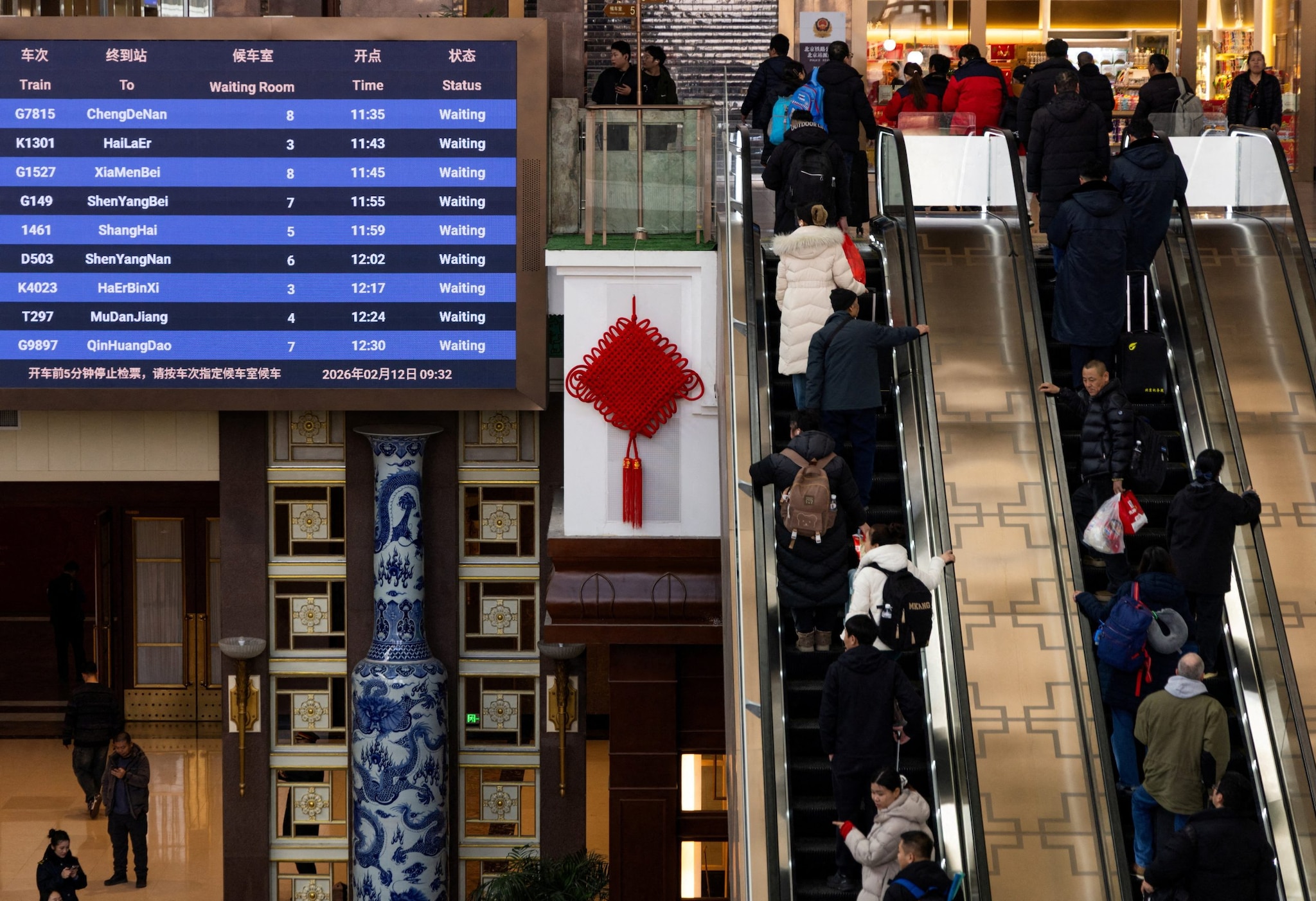
The 2026 travel rush began on February 2 and will last 40 days, coinciding with the Spring Festival holidays from February 15 to 23. Officials estimate a staggering 9.5 billion domestic trips will be made during this period, up from 9.02 billion in 2025. This figure reflects not only train and flight journeys but also road trips on national expressways, which were added to official tallies in 2023. (Image: Reuters)
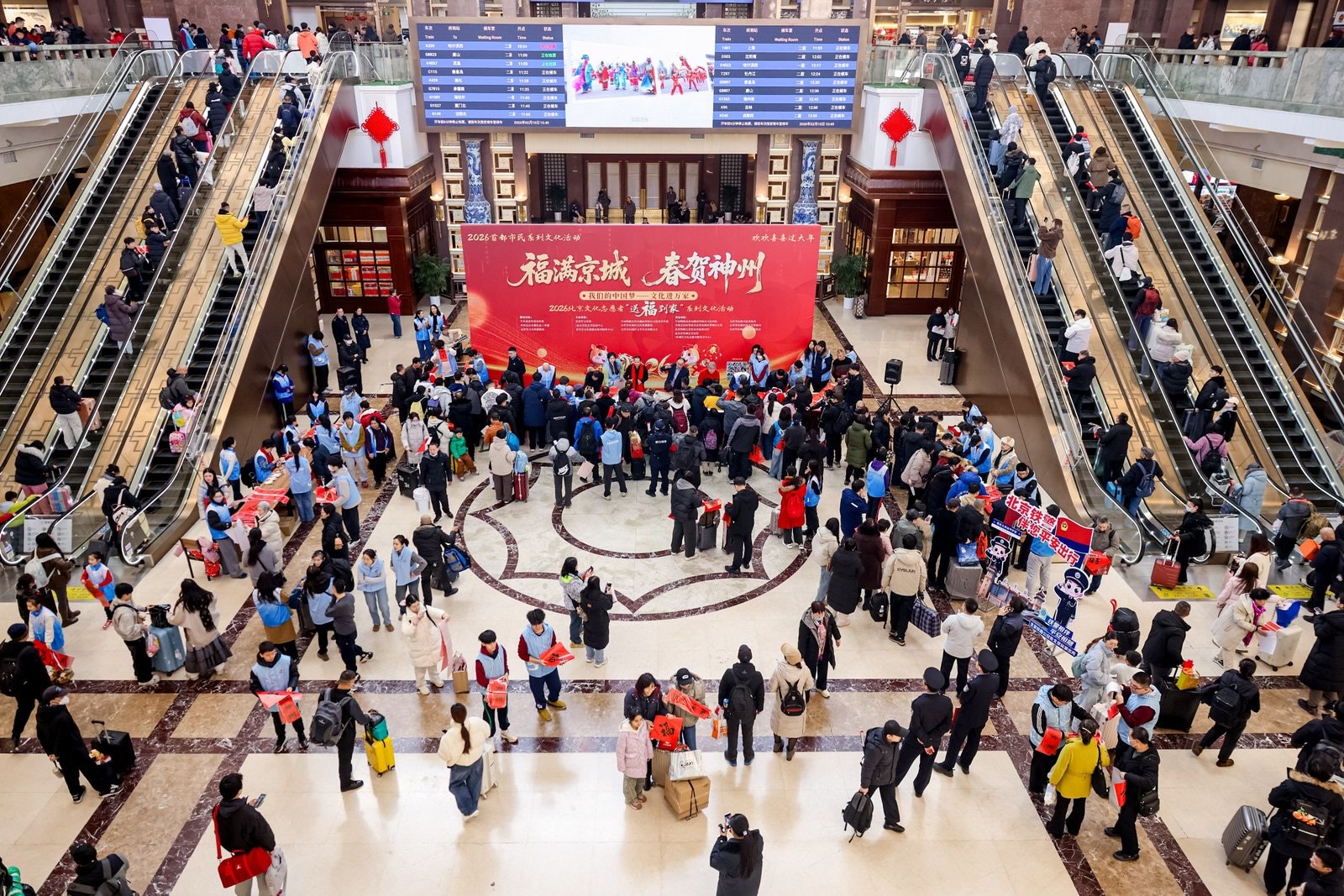
By February 10, China’s railways had already carried 1.01 billion passengers, while flights in the first week alone reached 16.32 million of the expected 95 million total. The sheer scale of these numbers highlights why chunyun is often described as the largest annual human migration in the world. (Image: Facebook)
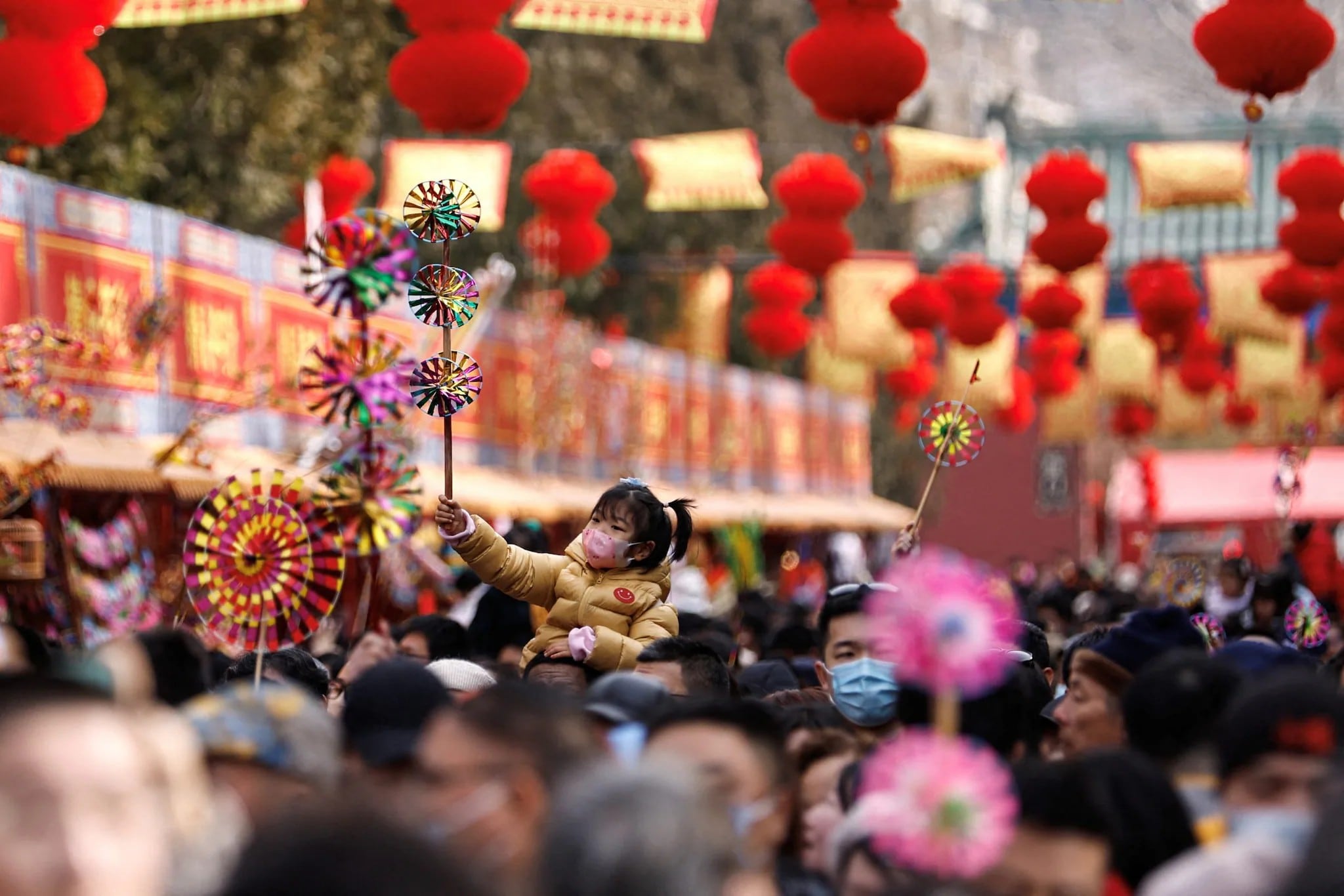
The travel rush is more than a logistical challenge; it is a barometer of economic health. Rising passenger numbers suggest stronger consumer confidence, higher disposable incomes, and a willingness to spend on leisure travel. For policymakers, it is also a pressure test of China’s transport infrastructure, from high‑speed rail networks to airports and highways. (Image: File Pic)
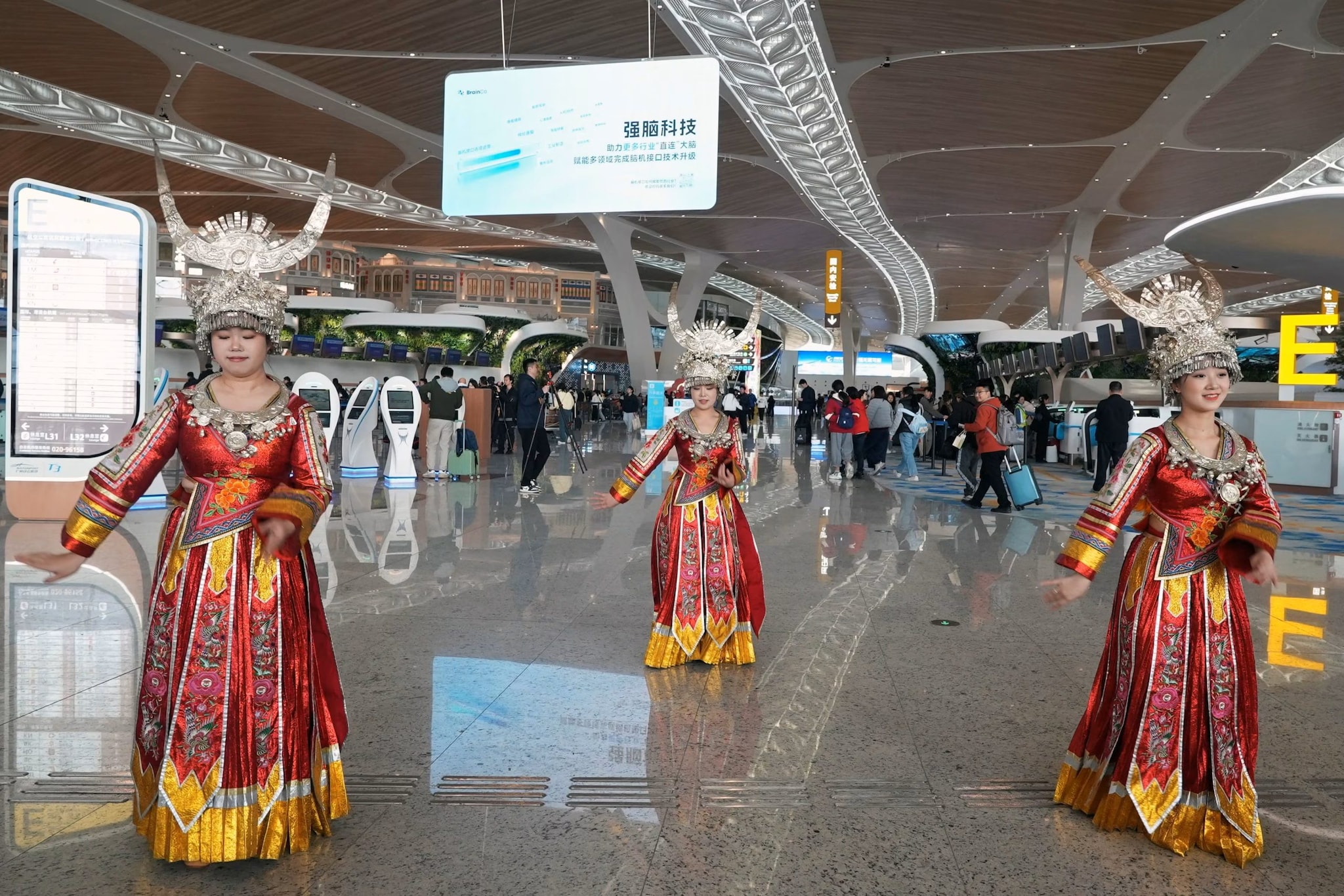
This year’s rush is distinctive for several reasons. The Spring Festival break has been lengthened by one day, giving travelers a total of nine days off. China has widened its visa‑free entry policy to more than 45 countries, including many in Europe, as well as Australia and New Zealand. This has boosted outbound tourism, making international travel more accessible than ever. The 2026 Chinese New Year coincides with the start of Ramadan, adding a layer of cultural significance for China’s Muslim communities and shaping travel and celebration patterns. (Image: Reuters)
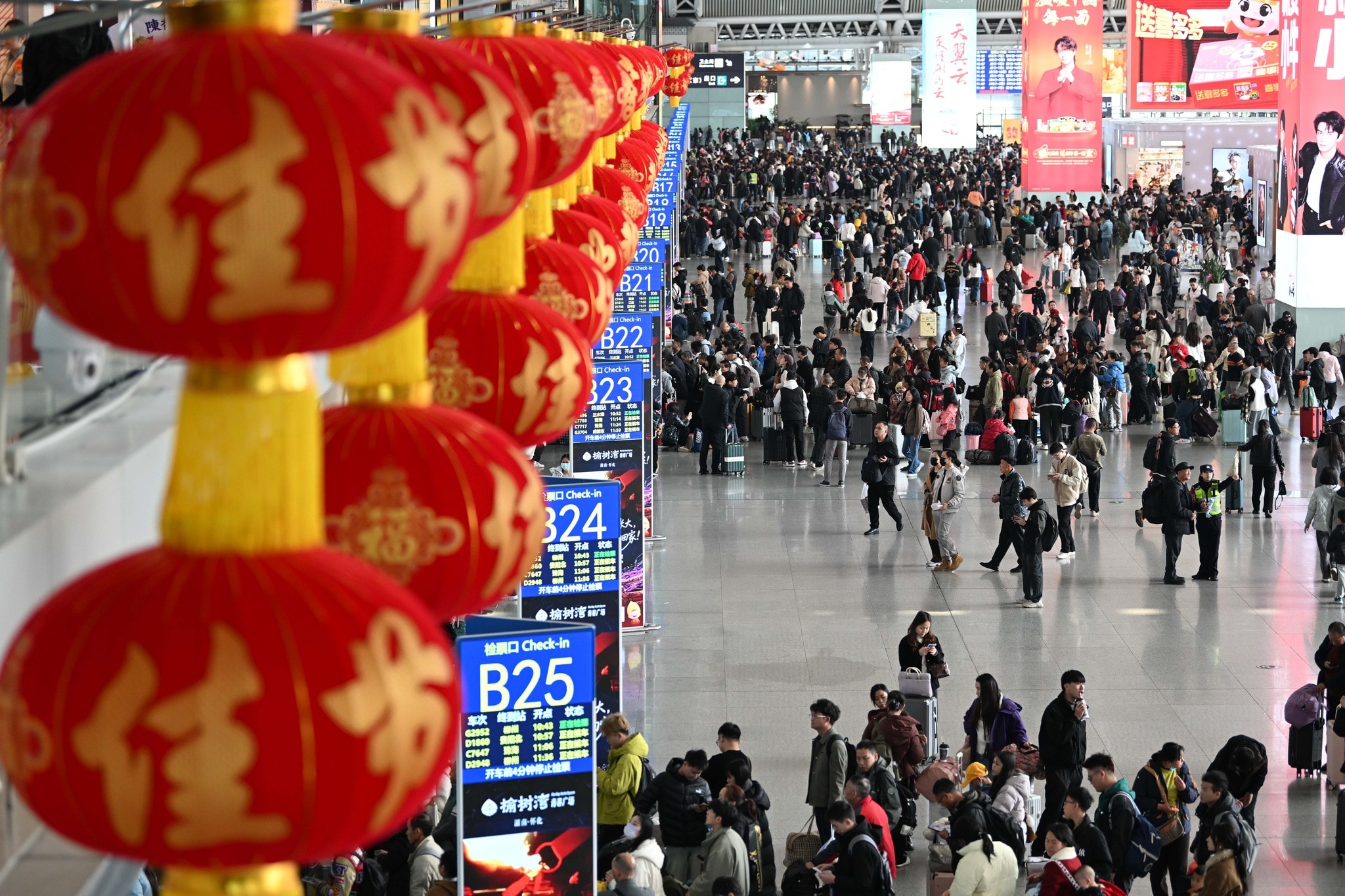
Beyond the statistics, the travel rush is deeply personal. For millions of migrant workers, students, and professionals, it is the only time of year they return home to see family. The journeys are often long and crowded, but they carry immense emotional weight. In this sense, chunyun is not just about trains and planes; it is about connection, tradition, and the reaffirmation of family bonds. (Image: Facebook)
