


EPA Pushes Forward on Long-Term Fix for Tijuana River Sewage Crisis
A long-term plan is advancing to address the Tijuana River sewage crisis through infrastructure upgrades, expanded treatment capacity, and cross-border coordination.
The EPA continues efforts to implement a permanent solution to the long-standing Tijuana River sewage crisis, as EPA Administrator Lee Zeldin returned to San Diego to meet with local officials, community leaders, and affected residents.
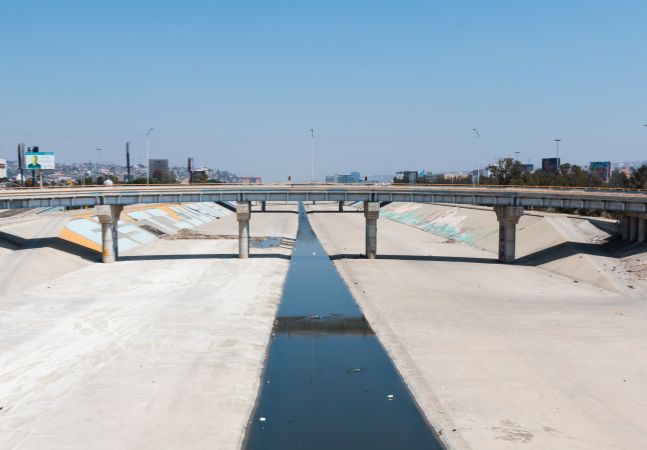
For decades, untreated sewage and contaminated stormwater flowing across the U.S.–Mexico border have polluted the Tijuana River Valley and nearby coastal waters, leading to frequent beach closures, environmental degradation, and ongoing public health concerns. The issue has affected residents, businesses, and ecosystems throughout the South Bay region.
During the visit, Zeldin emphasized the federal government’s commitment to a comprehensive “100 percent solution” designed to permanently stop cross-border sewage flows. The approach focuses on expanding wastewater treatment capacity, accelerating infrastructure upgrades, and strengthening binational coordination to address both current contamination and future growth pressures.
Key elements of the effort include improvements to wastewater treatment facilities, increased capacity to handle high-flow events, and enhanced monitoring to prevent untreated discharges from reaching U.S. waterways. Officials say recent infrastructure expansions have already improved the system’s ability to manage sewage and stormwater during peak conditions.
The EPA is working closely with federal, state, and local partners, as well as Mexican authorities, to ensure that agreed-upon projects move forward on schedule. Long-term plans include additional sanitation improvements, operational upgrades, and coordinated planning to reduce the risk of future cross-border pollution.
Local leaders continue to stress that the crisis is not only an environmental issue but also a quality-of-life and economic concern, citing health impacts, persistent odors, and disruptions to tourism and coastal access. Community members have called for sustained federal oversight and transparency as projects advance.
EPA officials say maintaining momentum on both sides of the border will be critical to achieving a lasting resolution. The agency has pledged continued engagement and oversight to ensure that infrastructure investments deliver meaningful, long-term protection for public health, coastal waters, and surrounding communities.
