


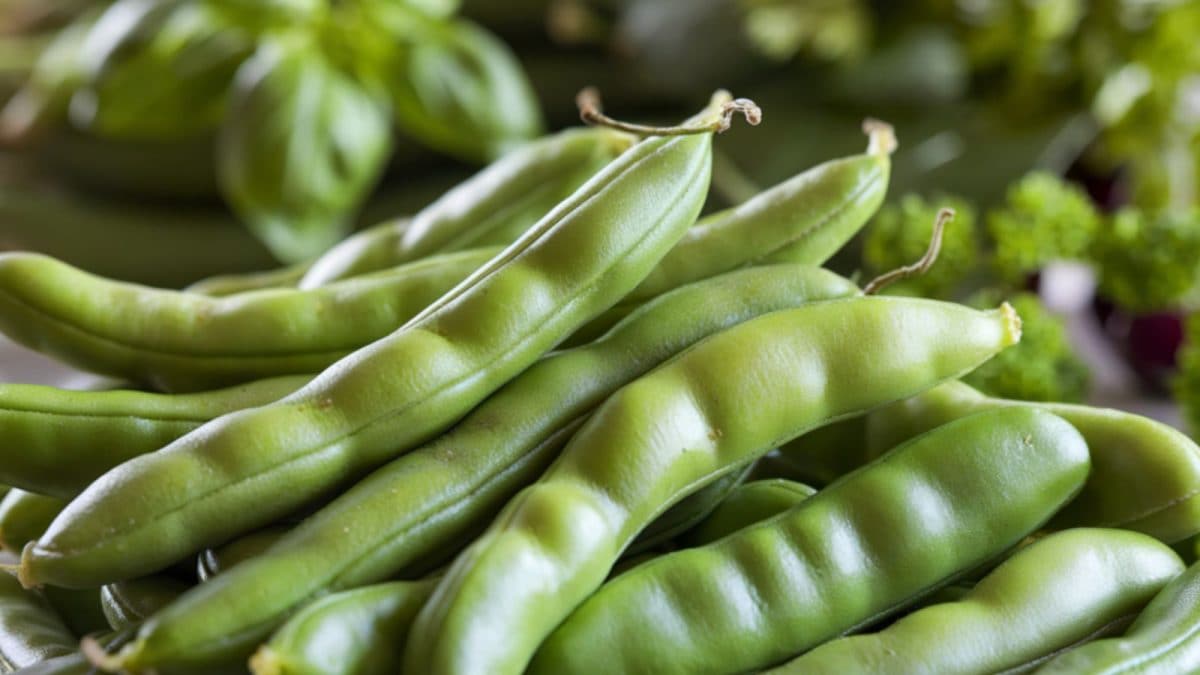
Green beans, often referred to as French beans or string beans, are a staple in Indian kitchens. Their crisp texture, mild flavour, and versatility make them a favourite across regions. But India’s culinary landscape is vast, and “green beans” isn’t just one vegetable;it encompasses several varieties, each with unique characteristics, flavors, and traditional uses. From everyday stir-fries to festive curries, these beans add nutrition and vibrancy to countless dishes. (Image: Canva)
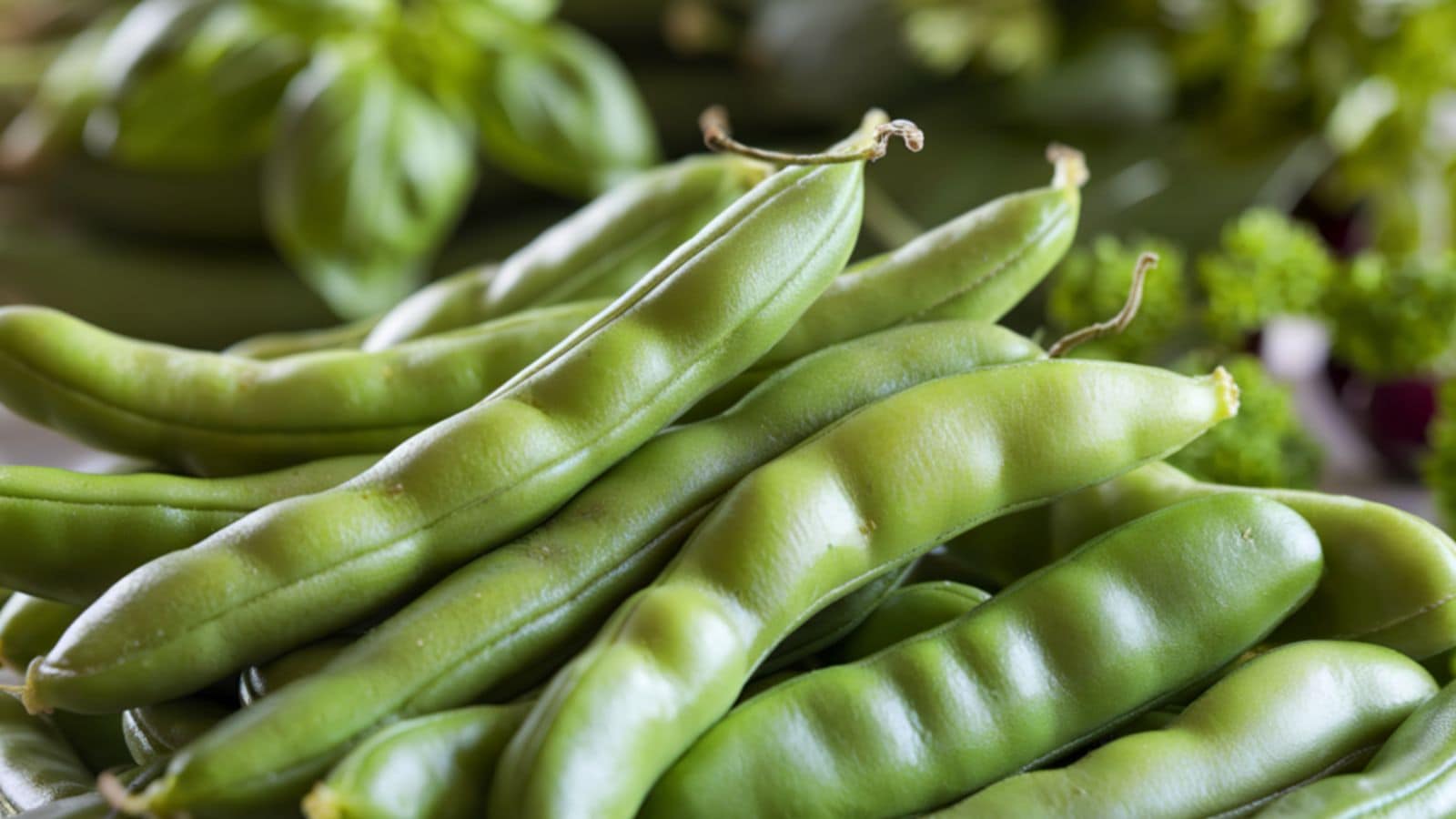
The most common variety is the French bean, which is slender, elongated, and smooth-skinned. Mild in flavor and tender when cooked, French beans are widely used in stir-fries, curries, and mixed vegetable dishes. In South India, they are often sautéed with coconut and spices in a dish known as beans poriyal. Rich in fiber, vitamin C, and folate, French beans are a healthy everyday choice. (Image: Canva)
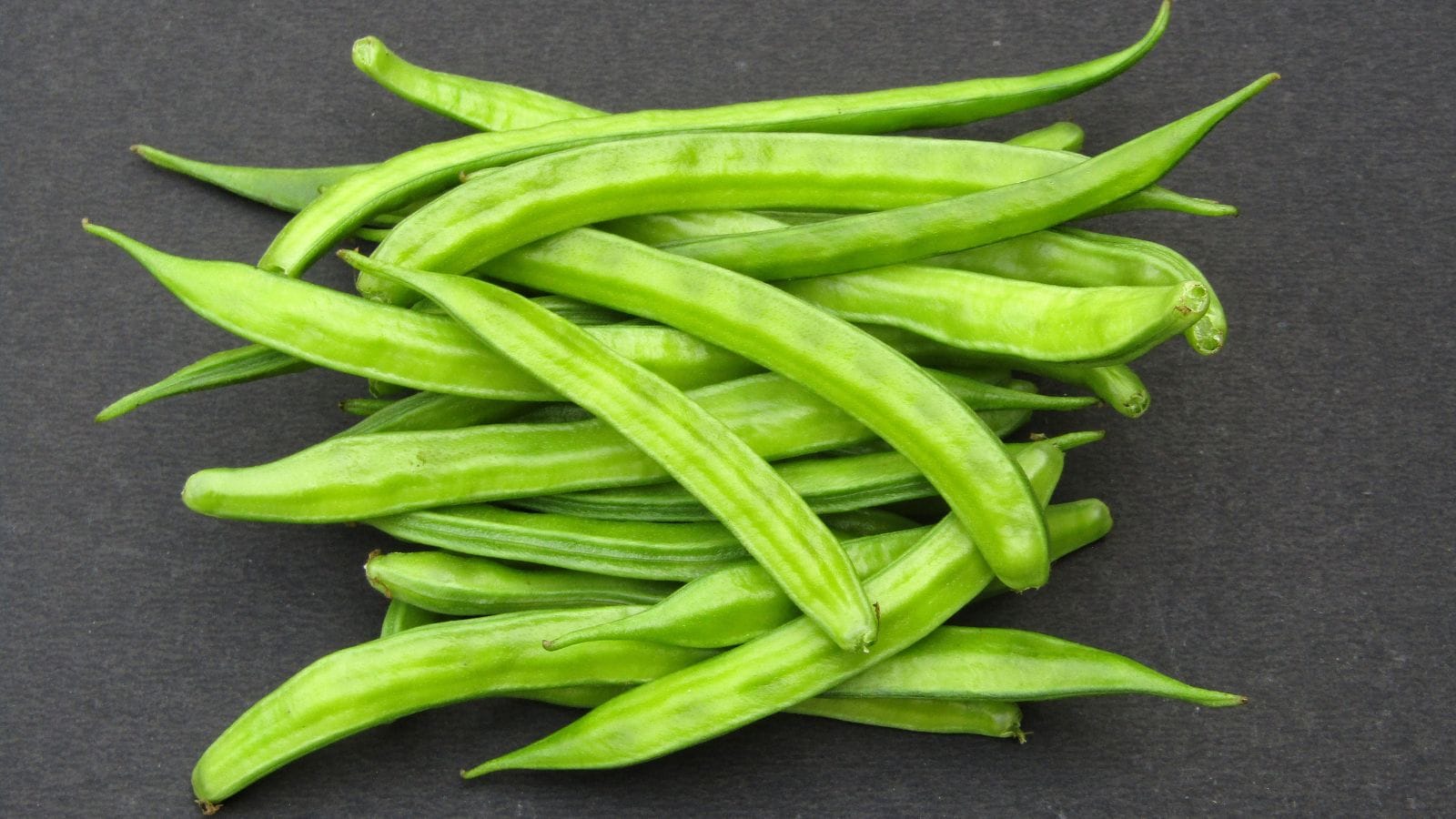
Cluster beans, or gawar phali, are shorter, slightly flat pods with a rougher texture. They have a distinctly earthy and slightly bitter taste, making them a staple in Gujarati and Rajasthani cuisine. Often cooked with potatoes or made into dry curries, cluster beans are also popular in Maharashtra, where gawar bhaji is a household favorite. Their high fiber content is known to help regulate blood sugar levels. (Image: Canva)
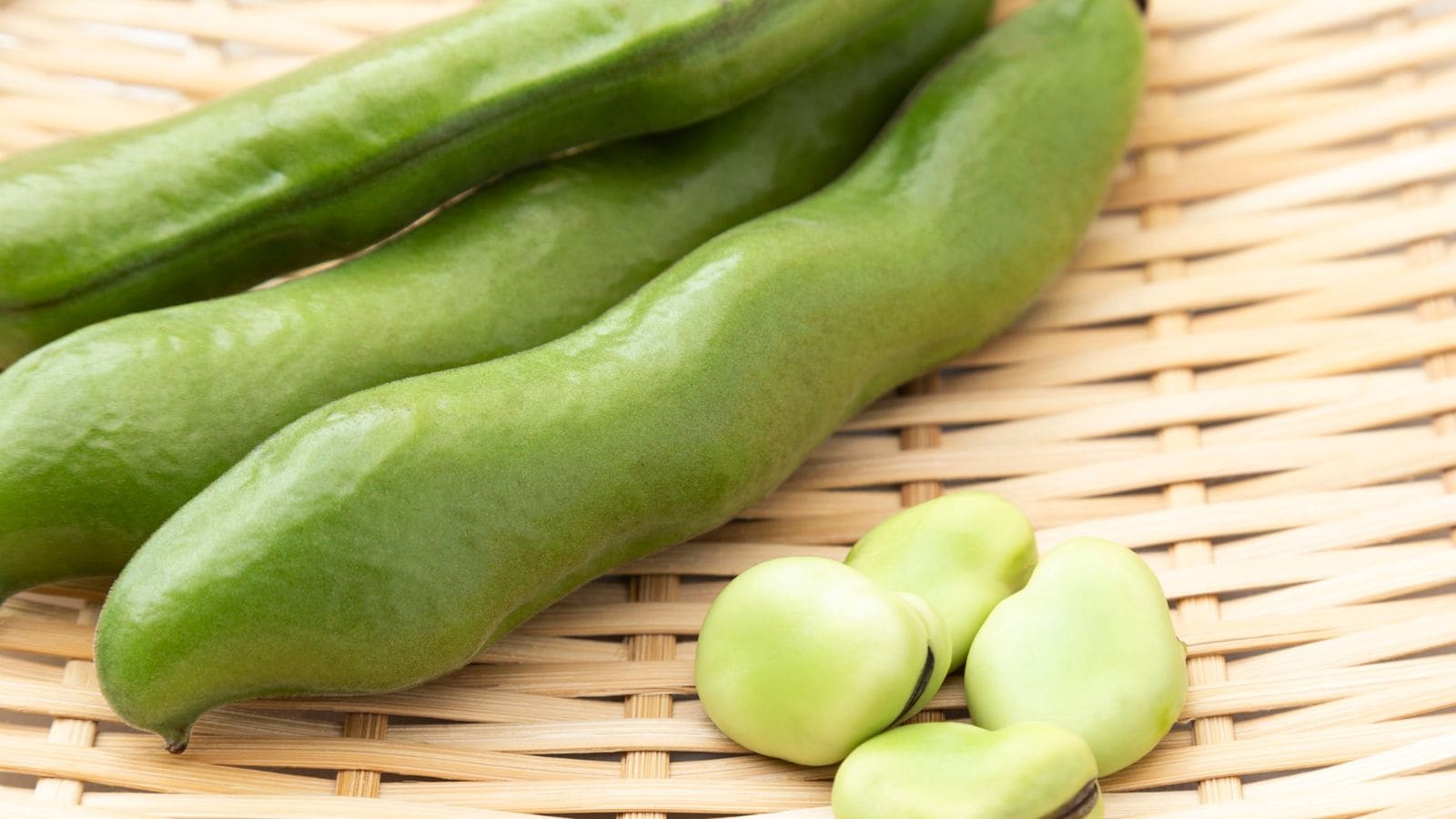
Broad beans, or sem phali, are larger, flat pods with thick skin and a nutty flavor. The beans inside can be eaten fresh or dried, and they are commonly used in North Indian curries and stews. In Andhra Pradesh, sem curry is a winter delicacy, while the beans are often added to rice dishes or lentil soups. Packed with protein and iron, broad beans are excellent for vegetarians. (Image: Canva)
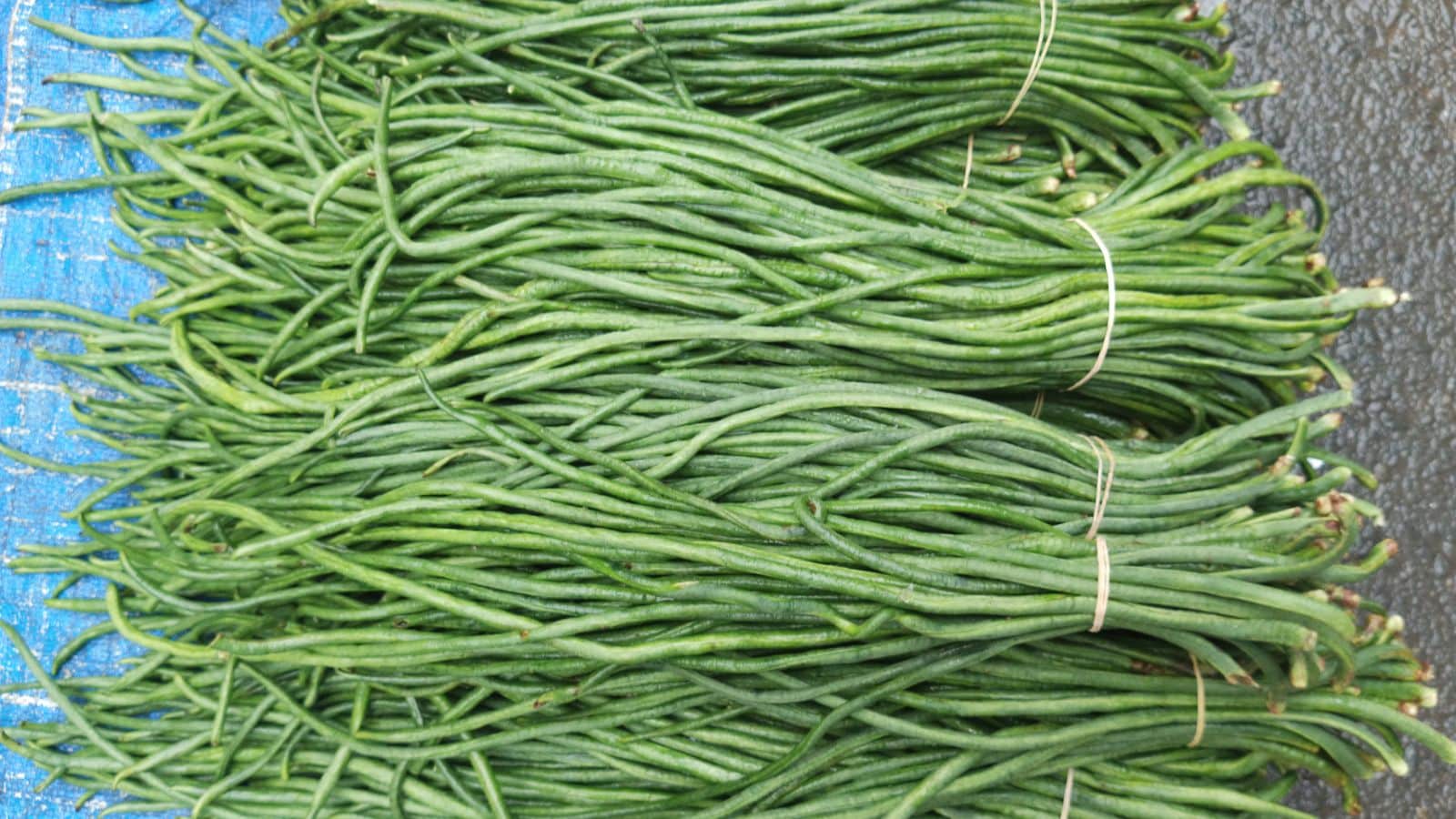
Yardlong beans, known as bodi or barbati, are extremely long and slender, often reaching up to 30-40 cm. Their flavor is similar to French beans but slightly chewier. They are widely used in Bengali and Odia cuisine, with dishes like barbati bhaja being simple yet beloved. In Kerala, they are cooked with coconut in thoran. Yardlong beans are a good source of vitamin A and calcium, supporting bone health. (Image: Canva)
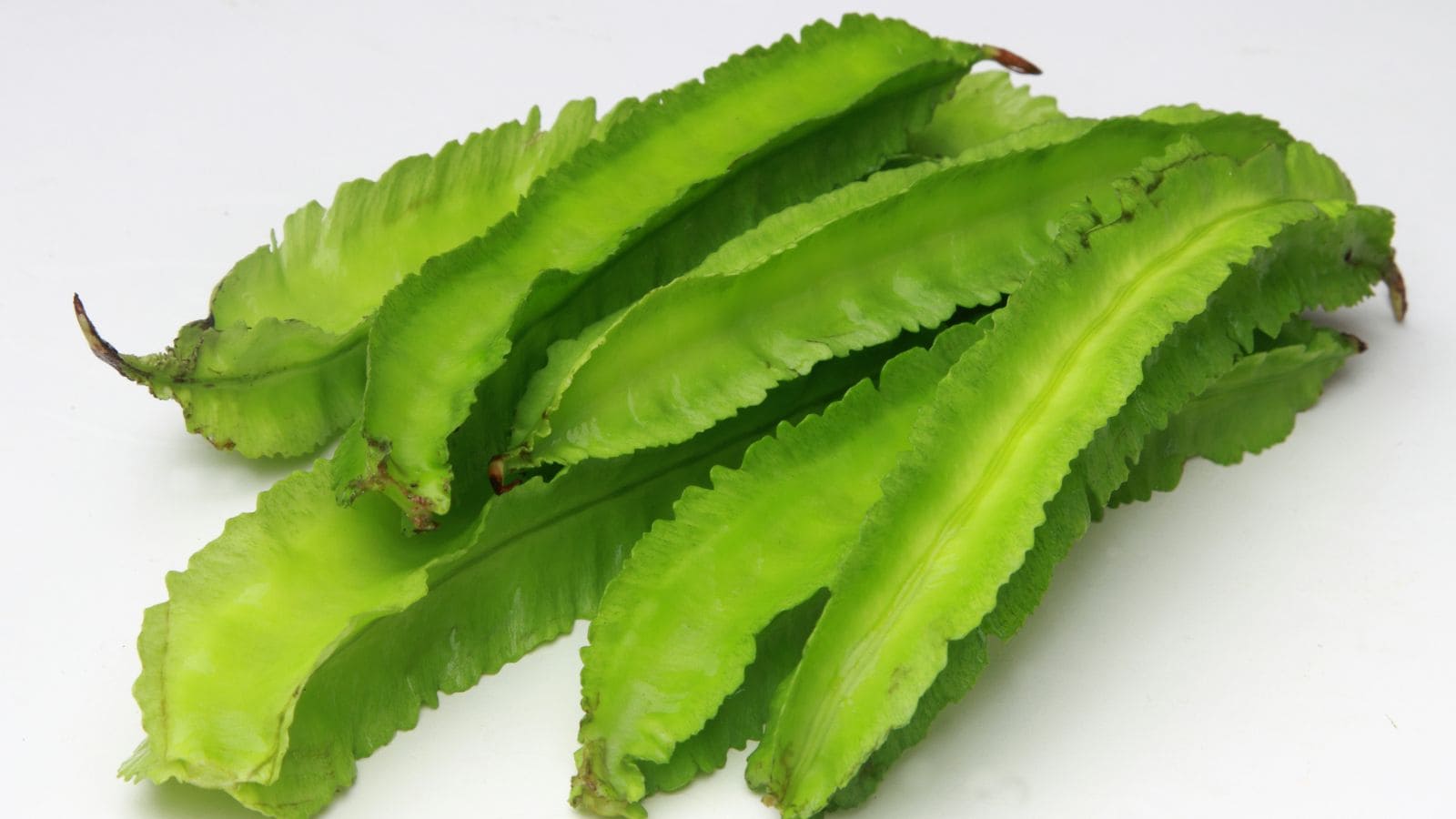
Winged beans, sometimes called Goa beans, are unique for their four-winged pods with frilly edges. Crisp and reminiscent of peas in flavor, they are found mostly in northeastern states and coastal regions. Remarkably, the entire plant is edible – pods, leaves, flowers, and even tubers. In Goa, winged beans are stir-fried with spices or added to salads. They are exceptionally nutrient-dense, with high protein content in both pods and leaves. (Image: Canva)
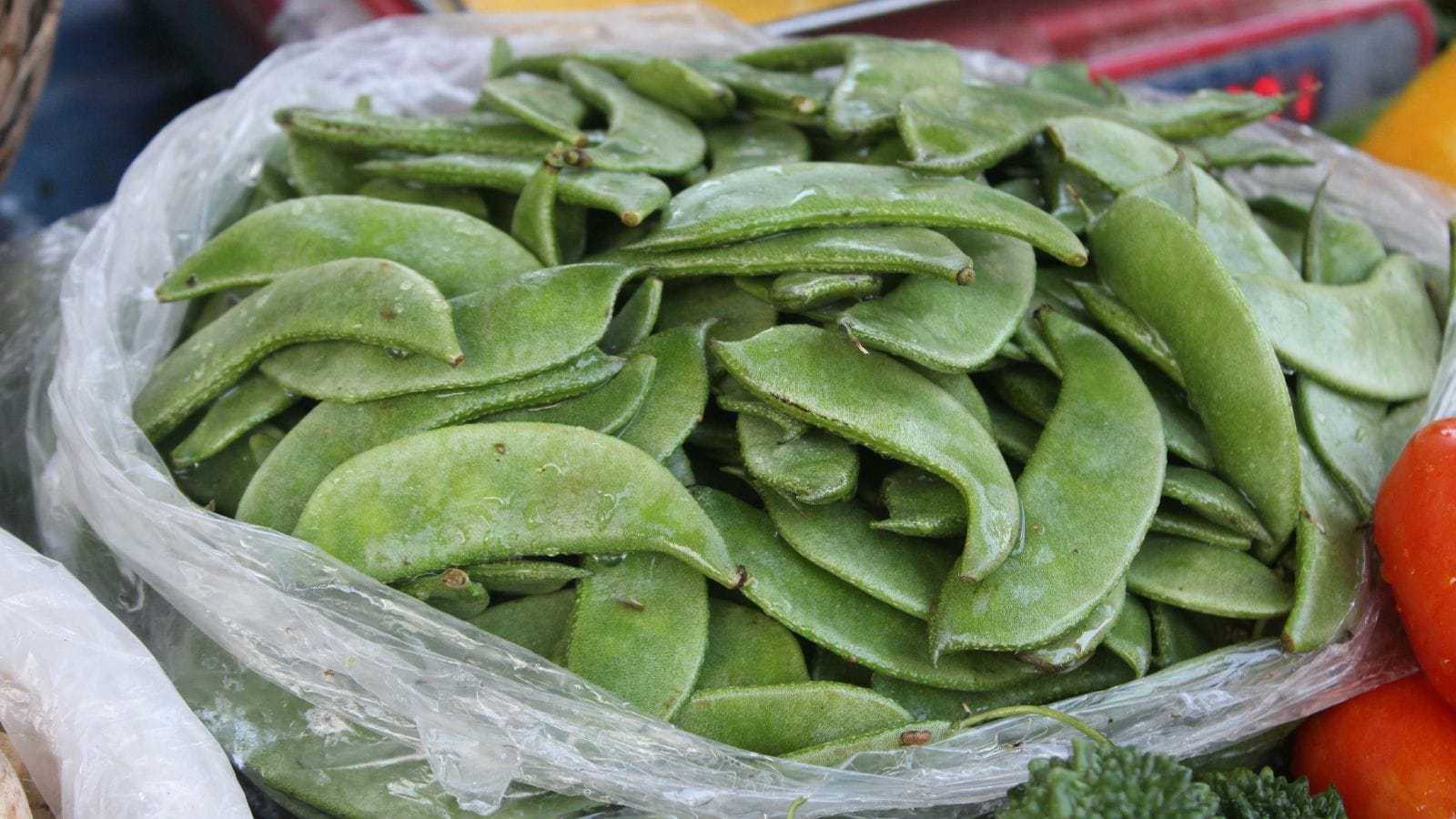
Hyacinth beans, or sem ki phali and avarekai, are flat, broad pods with seeds inside that are often more prized than the pods themselves. Slightly sweet and starchy, they are hugely popular in Karnataka, especially during the Avarekai Mela festival, where dishes like avarekai sambar and avarekai upma are celebrated. In North India, they are used in curries and stews. Hyacinth beans are rich in protein and antioxidants, supporting immunity. (Image: Canva)
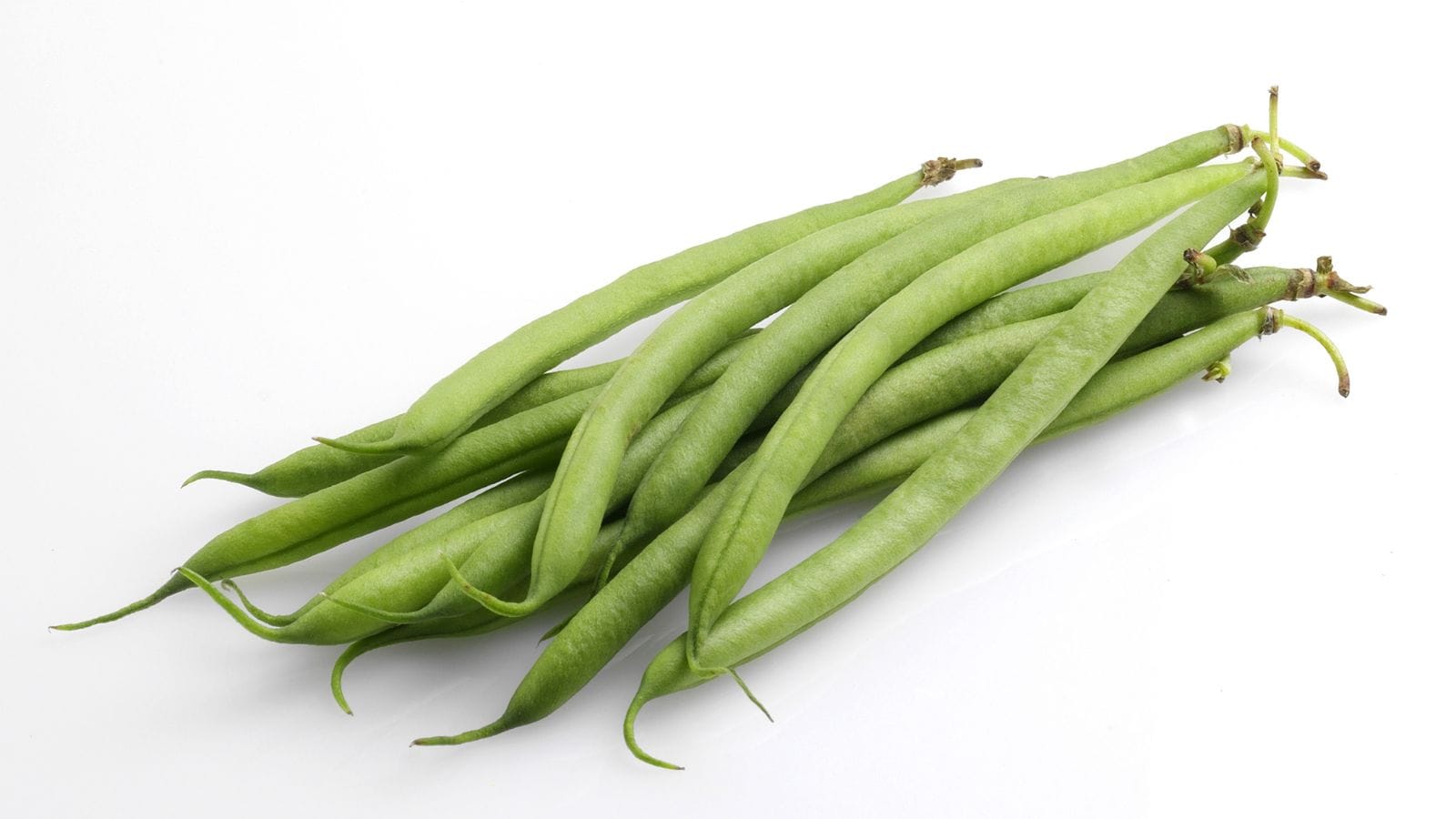
Runner beans are long, flat pods with visible seams and a slightly fibrous texture. They have a robust flavor and are less common, found mainly in hill regions like Himachal Pradesh. They are often cooked with potatoes or added to mixed vegetable dishes, and they provide vitamin K and manganese, which are beneficial for bone strength. (Image: Canva)
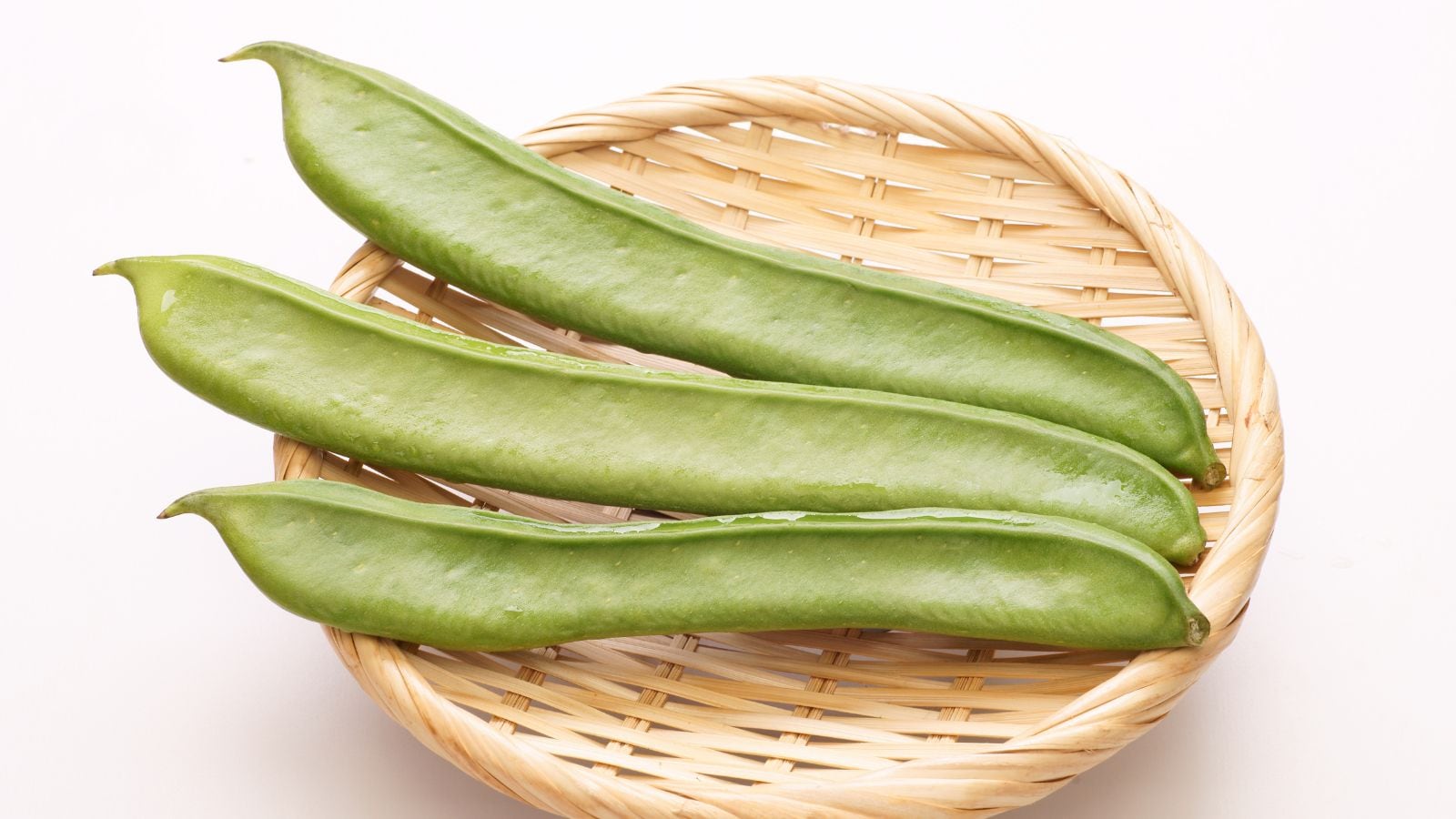
Sword beans, or chavli, are thick, sword-shaped pods with a stronger flavor compared to French beans. Their firm seeds are often dried and used in curries, particularly in tribal and rural cuisines of Maharashtra and Karnataka. Sword beans are also valued for their medicinal properties, including aiding digestion. (Image: Canva)
