


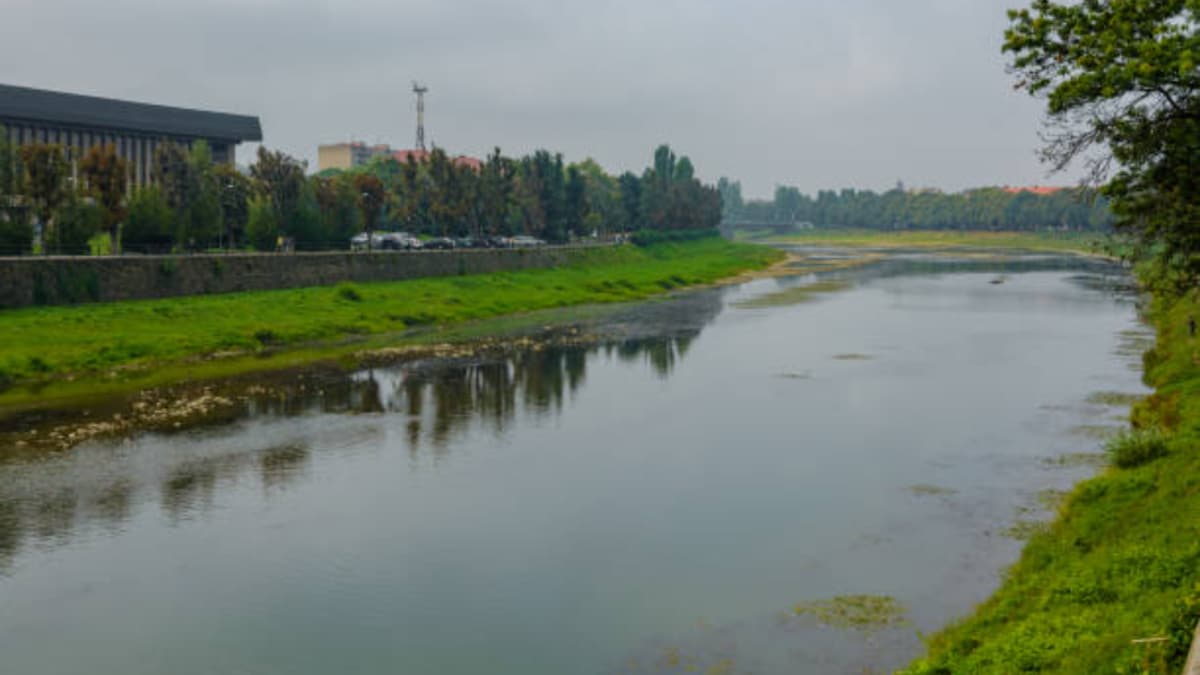
The Pennar River is called the Rocky River of India because it travels through rocky plateaus, hard-crust uplands, laterite formations and stony landscape regions across Karnataka and Andhra Pradesh. (Image: Pexels)
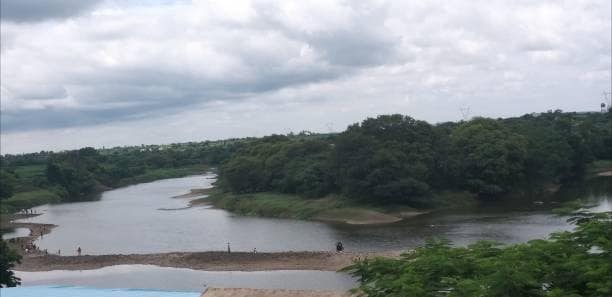
Its riverbed, banks and basin area are dominated by rocks and rugged plateau terrain, giving it the identity of a “rocky-bed river” in India. (Image: Pexels)
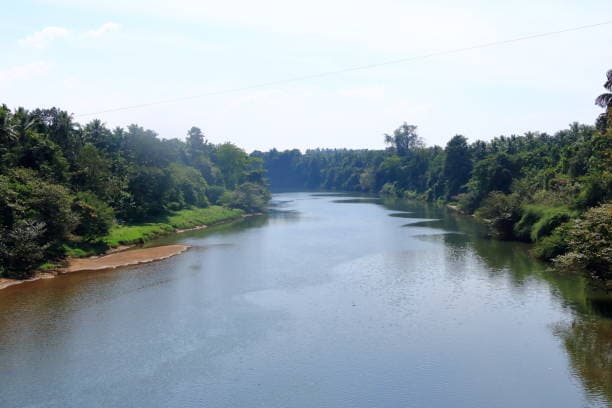
A large part of its basin lies in the rocky uplands and granite plateaus where the soil cover is thin and the terrain is uneven and stony. These rocky formations shape the river’s channel pattern, steep banks, erosion features, and drainage network, making it distinct from alluvial rivers with soft soil plains. (Image: Pexels)
The Pennar River begins in Karnataka’s Nandi Hills and winds its way through Karnataka and Andhra Pradesh before draining into the Bay of Bengal. Along its journey, it traverses semi-arid rocky plateaus, uneven plains, and dry upland regions, showcasing the diverse landscapes of southern India. (Image: Pexels)
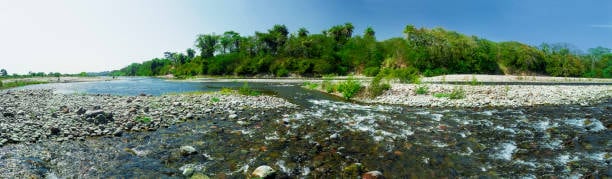
The tributaries of Pennar River are Jayamangali, Chitravathi, Papagni, and Kunderu. (Image: Pexels)
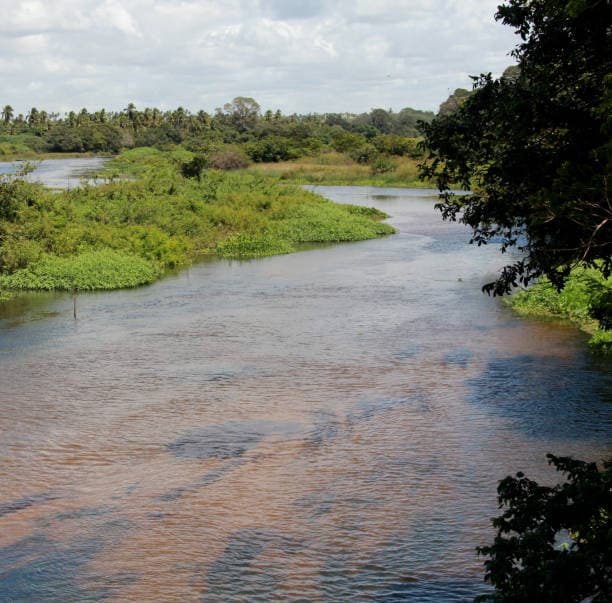
Jayamangali River: The Jayamangali River rises in Karnataka and courses through rocky uplands and dry plateaus before joining the Pennar. Its basin, characterized by shallow soils, stony stretches, and semi-arid terrain, plays a key role in shaping the Pennar system’s rocky drainage patterns. (Image: Pexels)
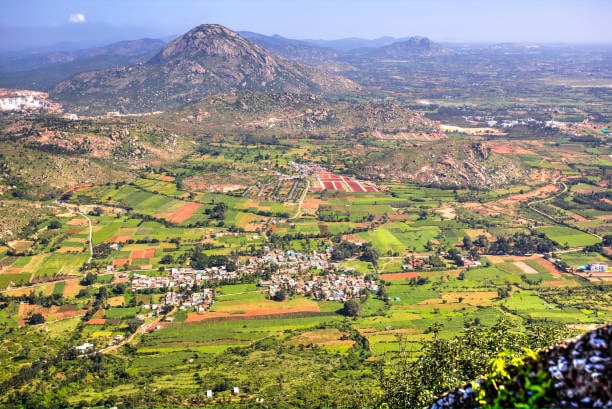
Chitravathi River: The Chitravathi River winds through Andhra Pradesh’s Rayalaseema region, marked by rocky hills, granite plateaus, and arid terrain. Gathering runoff from uplands and slopes, it strengthens the rugged, rocky character of the Pennar River basin. (Image: Pexels)
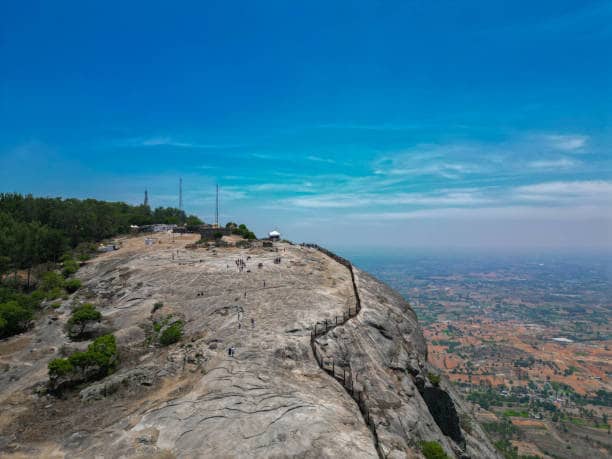
Papagni River: The Papagni River flows through hard-rock regions and eroded plateau surfaces in Karnataka and Andhra Pradesh. It passes through narrow rocky channels and deeply cut valleys, making it one of the most prominent rocky-terrain tributaries of the Pennar River. (Image: Pexels)
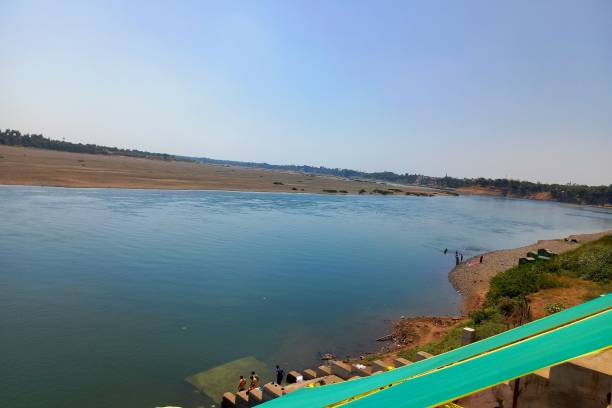
Kunderu River: The Kunderu River flows through dry plains and rocky patches of southern Andhra Pradesh before joining the Pennar. Its basin includes semi-arid landscapes, gravelly soils, and rocky surface formations that influence seasonal river flow and runoff patterns. (Image: Pexels)
