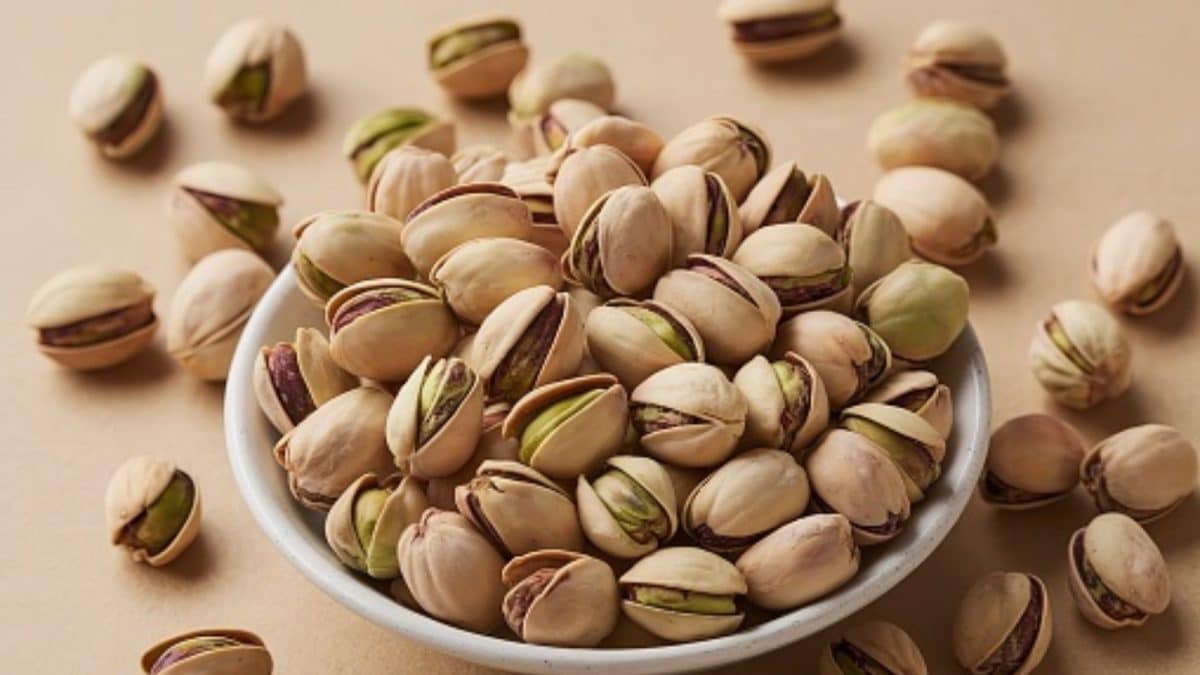
Fake pistachios are increasingly being sold in markets, often dyed to look real. Here are checks you can do at home to identify genuine pistachios before buying or eating them
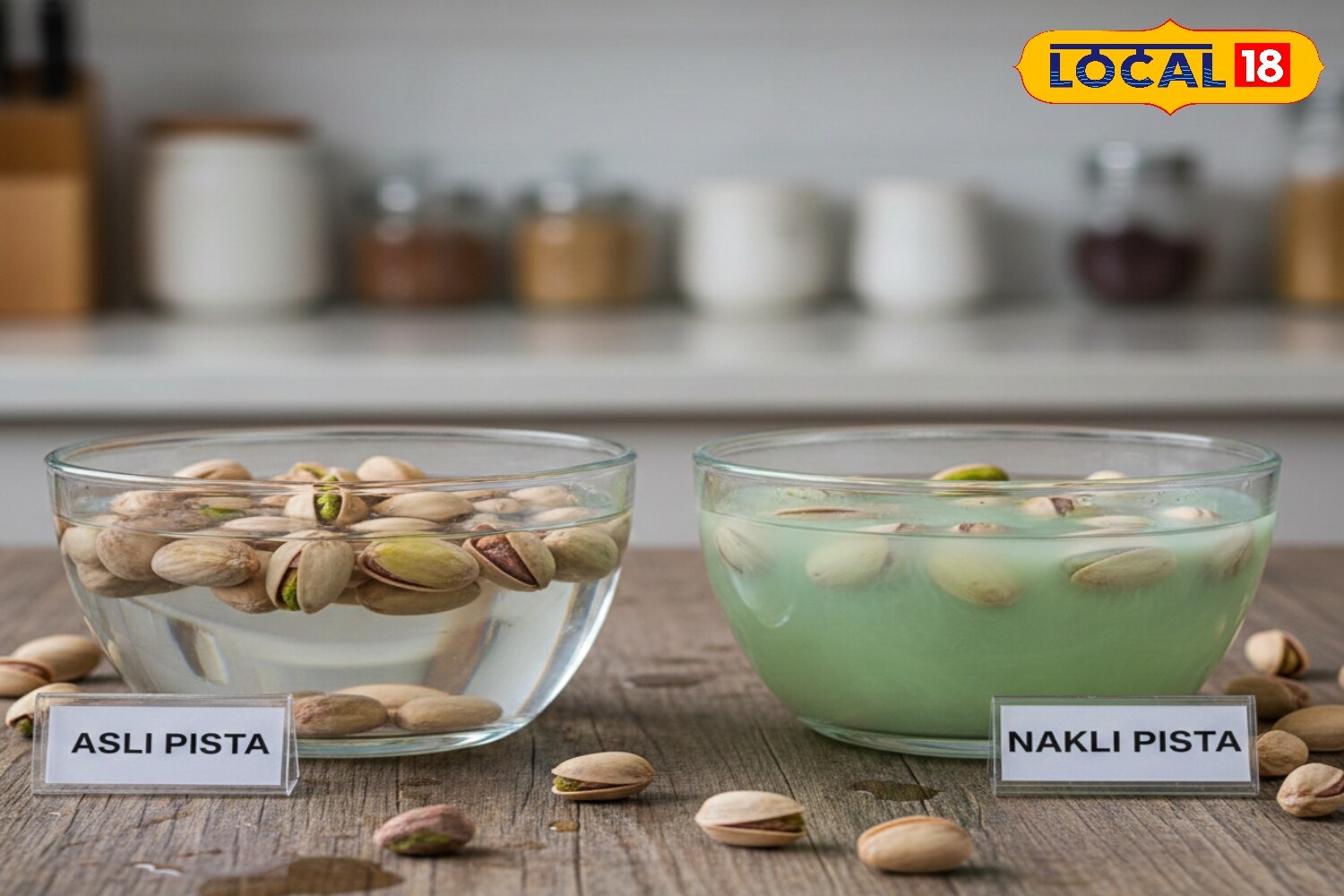
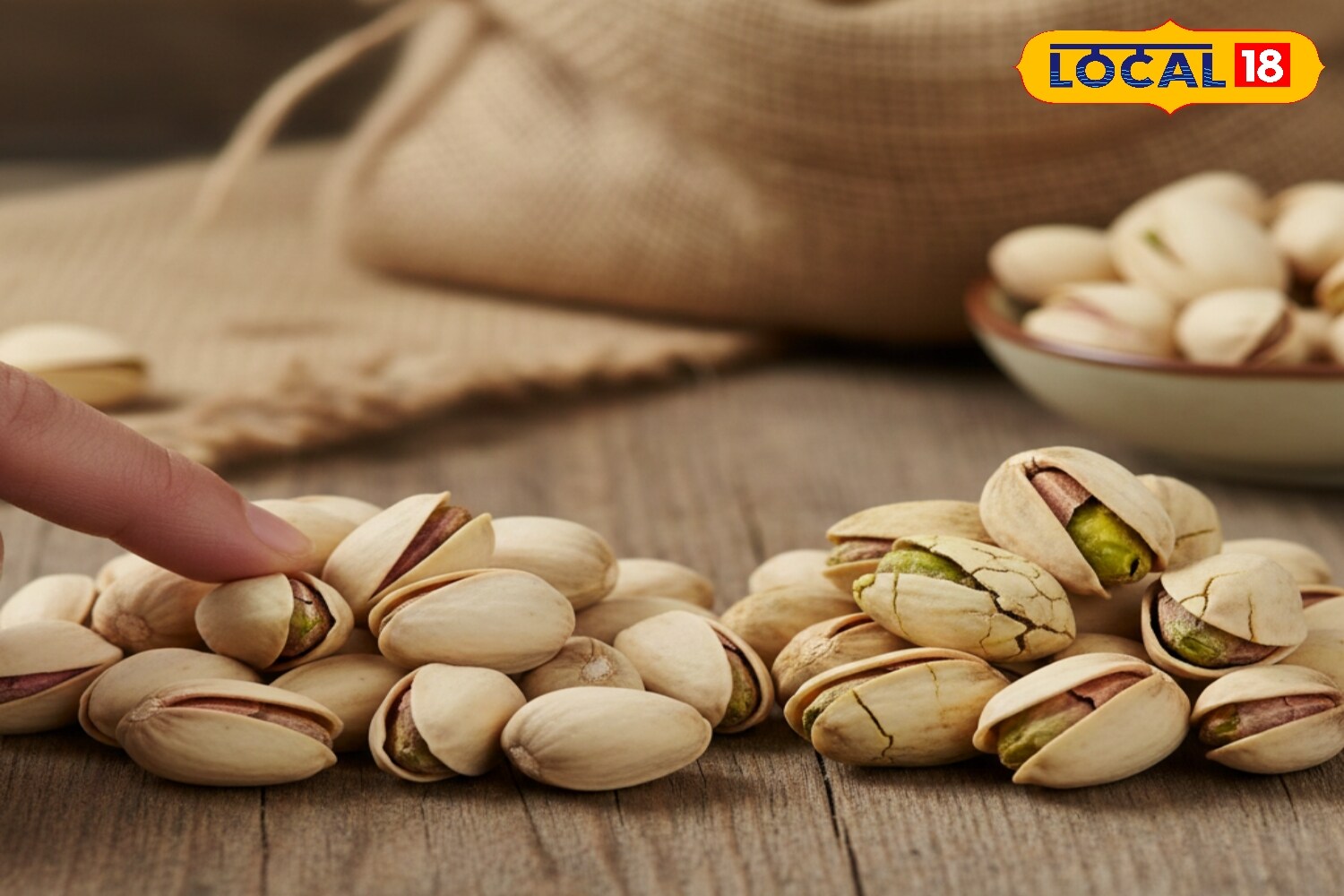
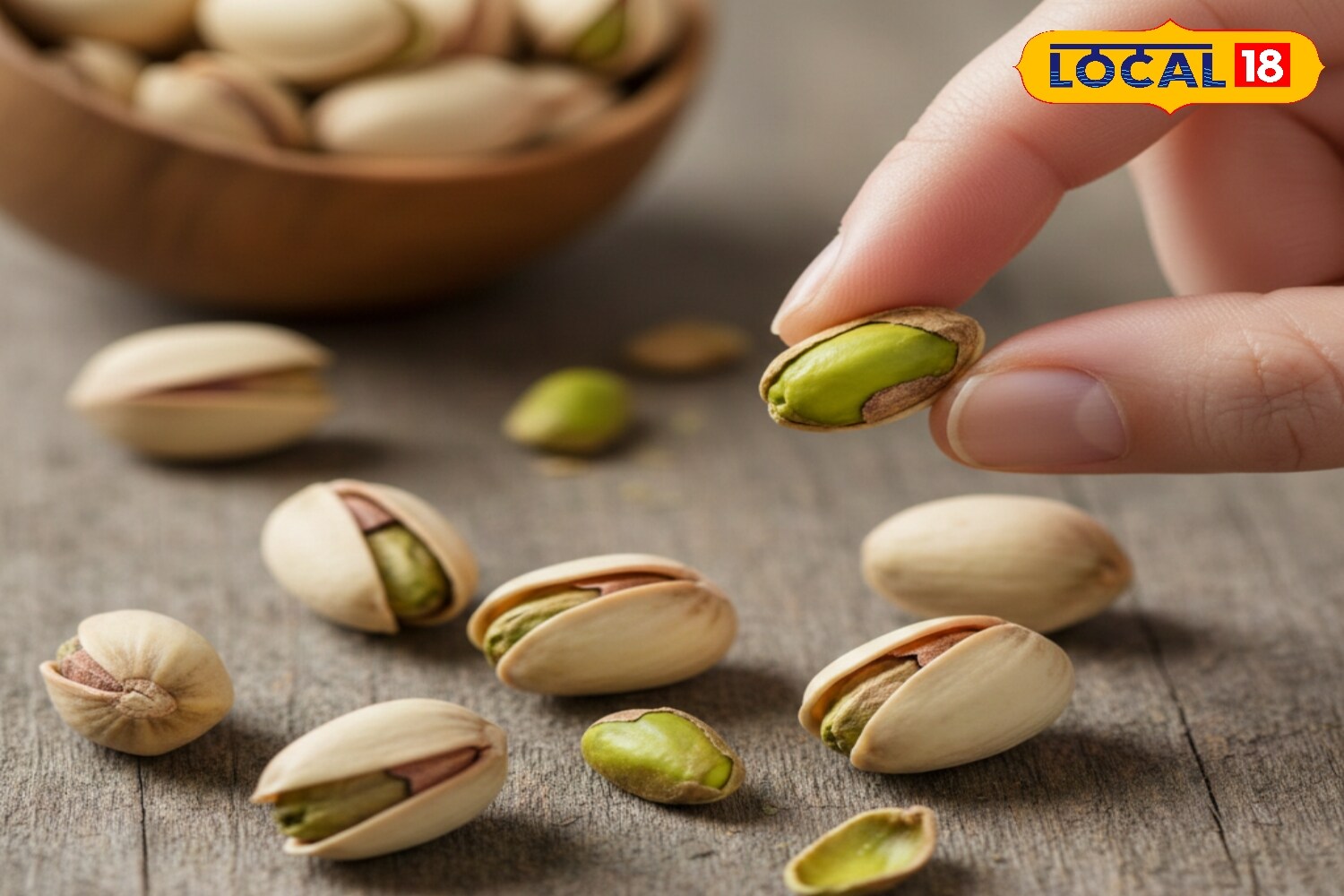
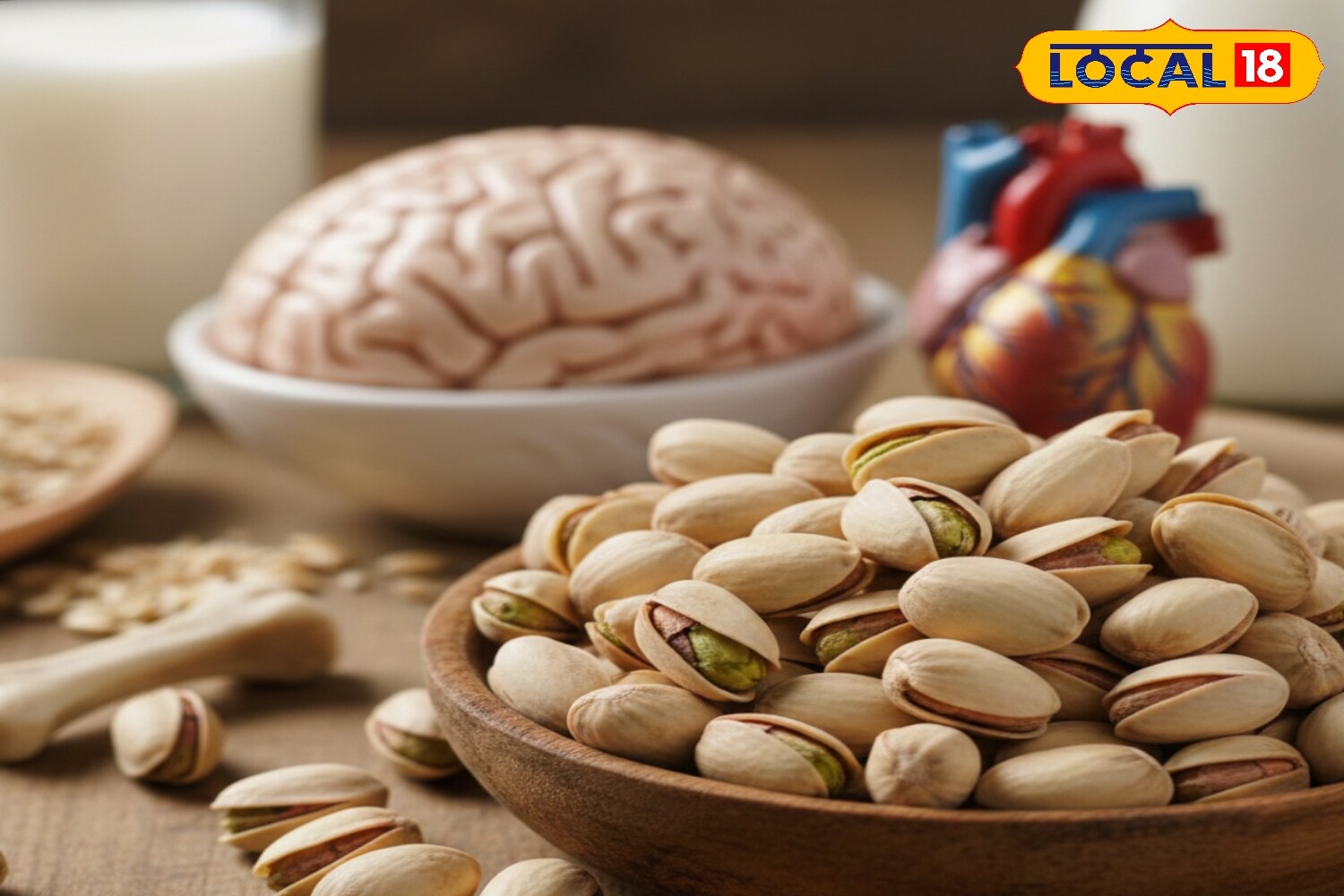
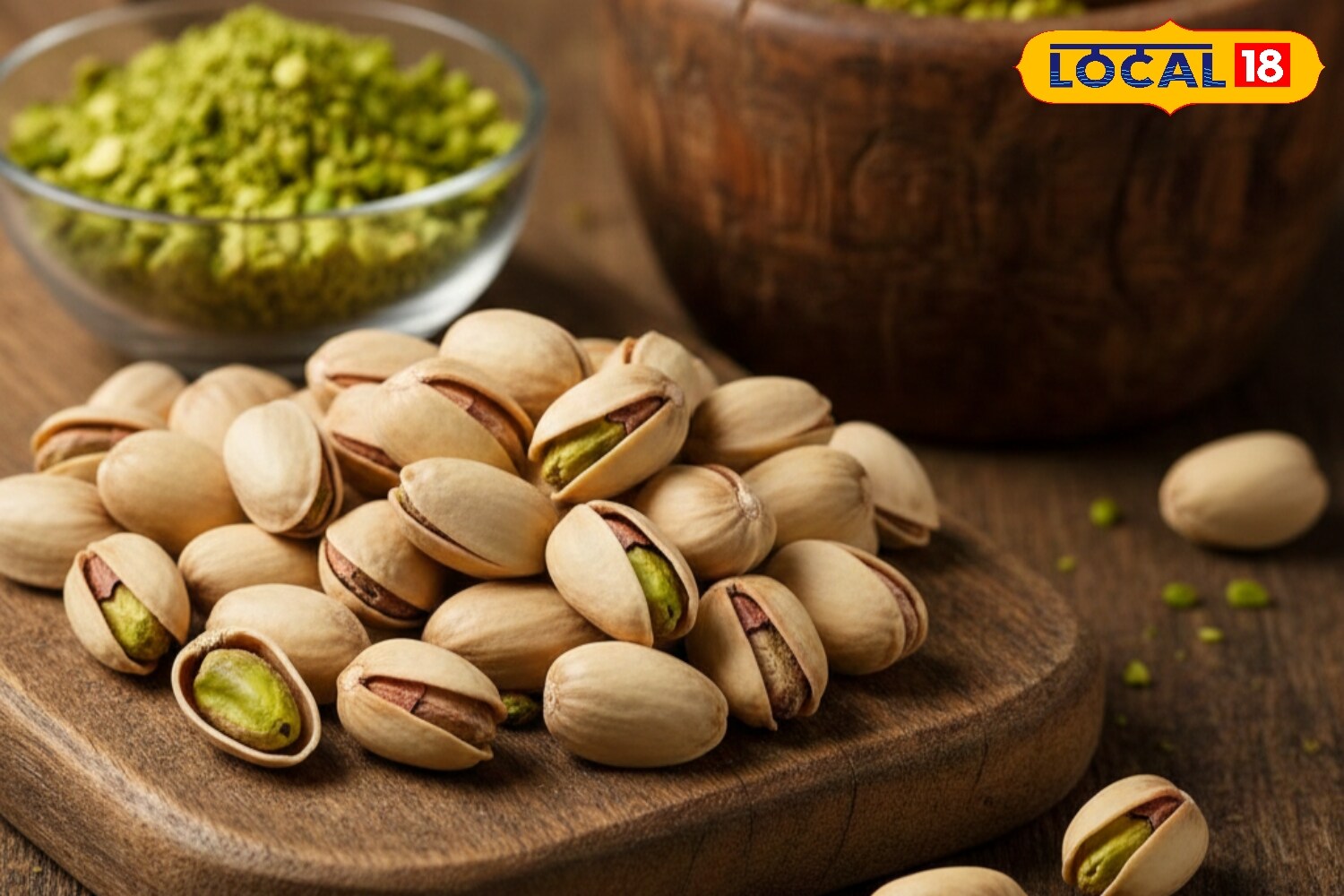
Genuine pistachios have a mildly sweet, slightly nutty taste and feel soft when chewed. They melt easily in the mouth. If pistachios feel unusually hard, rubbery or tough, it could indicate they are old, poor quality or even fake.A simple test is to soak pistachios in water for about an hour. Real pistachios remain intact without releasing colour or changing taste. Fake or dyed pistachios, however, may release colour into the water, making them easy to identify.Real pistachios feel firm and have strong, intact shells without cracks. Fake pistachios often have softer shells that crack easily. Checking the shell texture is one of the simplest ways to tell the real from the fake.When buying pistachios, always examine their colour, firmness and taste carefully. Pistachios are expensive, and buying fake ones not only wastes money but may also pose health risks.Pistachios are rich in protein, help strengthen bones, improve brain function and support heart health. To enjoy both the taste and the benefits, choosing genuine pistachios is always the better option.
Stay Ahead, Read Faster
Scan the QR code to download the News18 app and enjoy a seamless news experience anytime, anywhere.
Pistachios are among the most loved dry fruits, especially during winter. Many people add them to kheer, halwa or custard for extra flavour and richness. Apart from their taste, pistachios are also known for their health benefits, which is why their popularity continues to grow.