



Copper prices have surged sharply in recent days amid mounting global supply concerns and heightened risk sentiment among investors. On the London Metal Exchange (LME), benchmark copper futures jumped 4.3% in a single session, breaching the $13,000 per tonne mark for the first time, a significant milestone that underlines strong demand and tightening supply conditions.

In recent weeks, traders have been shipping large volumes of copper to the United States amid fears of potential US tariffs. This diversion has reduced availability in other regions, intensifying global supply pressures. Adding to these worries, a workers’ strike at Chile’s key Mantoverde copper mine has further fuelled concerns, pushing prices higher at a time when demand is already robust.
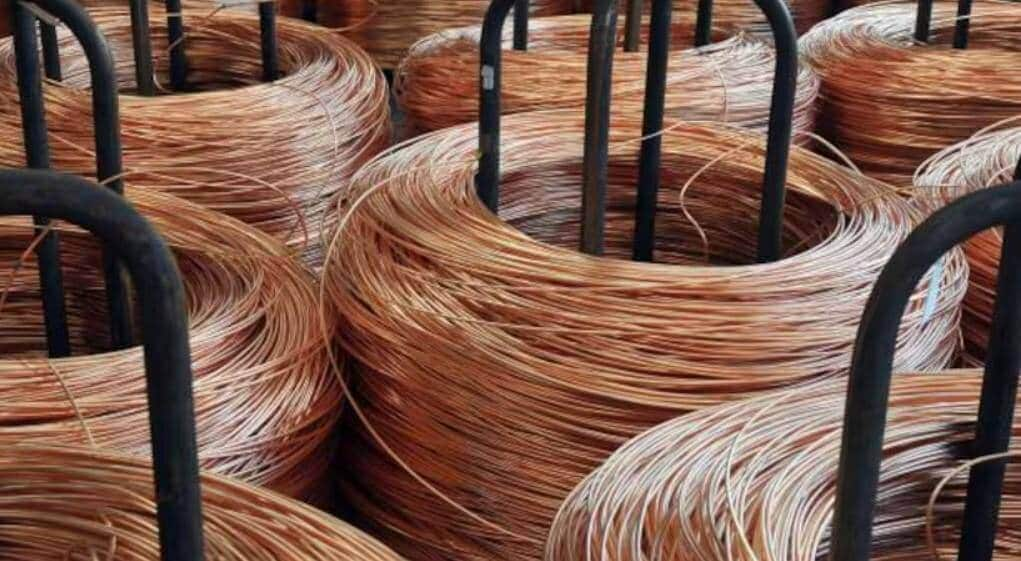
Meanwhile, a rally in technology stocks has revived global equity markets, lending support to base metals overall. As a result, prices of most base metals strengthened on Monday. Investors are also closely monitoring recent US actions against Venezuelan President Nicolás Maduro and their possible impact on natural resource supplies, with such geopolitical developments influencing copper prices.
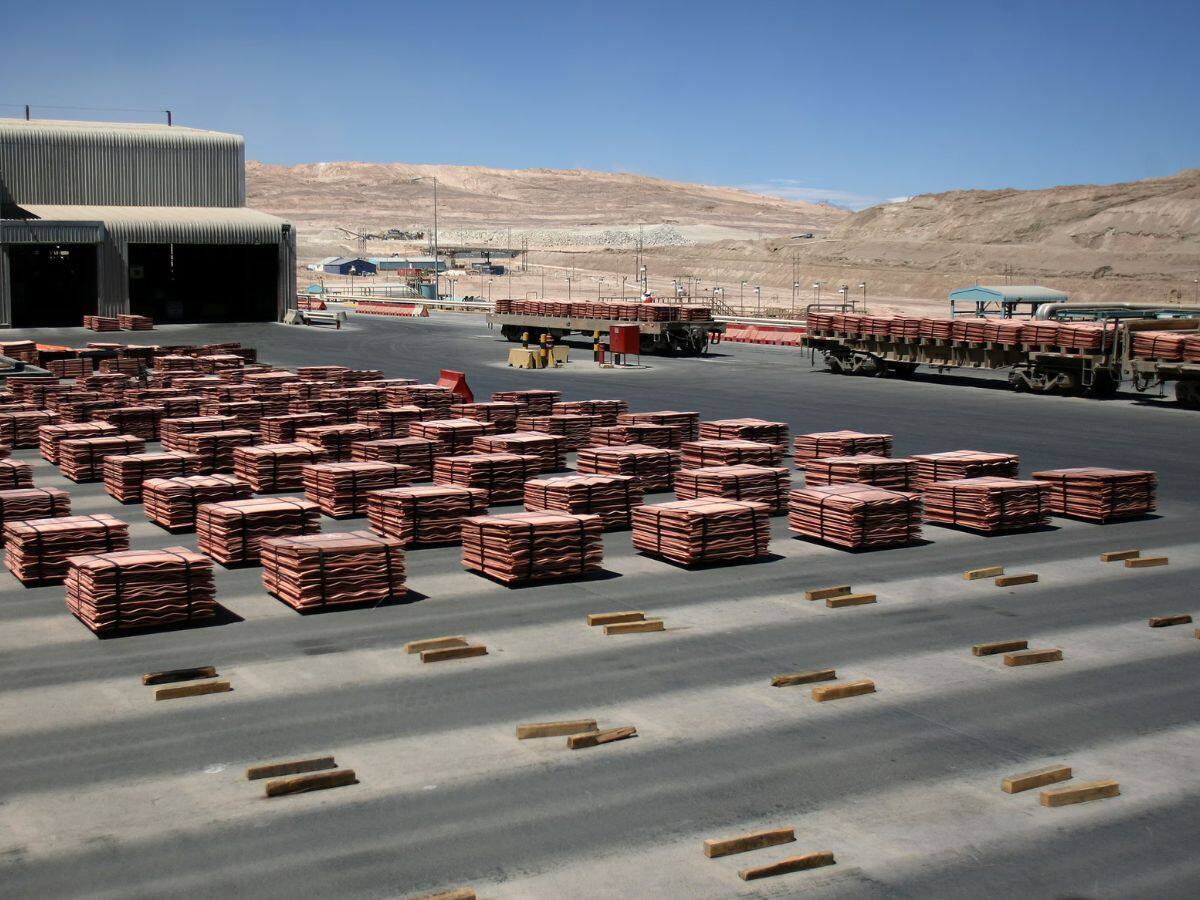
The accelerating global energy transition continues to provide strong long-term support for copper. The metal is crucial for electric vehicles, renewable energy projects, and power grid modernisation. Reflecting this demand, copper prices rose by around 42% in 2025, marking their strongest annual performance since 2009. Looking ahead to 2026, US plans to review tariffs on primary copper have increased arbitrage activity and further tightened supply in non-US markets.

According to analysts at UBS Group, the global refined copper market is technically expected to remain in surplus in 2025. However, fears over US tariffs have significantly altered metal flows and inventory distribution. Large quantities of copper are now being imported into the US, while supply pressures are intensifying elsewhere, with many smaller firms reporting depleted stocks.

Experts caution that supply risks have not yet fully eased. UBS estimates suggest that around half of the world’s copper inventory is currently held in the US, despite the country accounting for less than 10% of global demand. This imbalance could trigger shortages in other regions. The wide gap between LME cash prices and three-month futures also indicates that market tightness is likely to persist in the near term.

Owing to US tariffs, production disruptions, and regional imbalances, analysts at China Securities estimate that the global copper market could face a shortfall of more than 100,000 tonnes in 2026. Reflecting these concerns, three-month copper prices on the LME rose 4.2% on Monday afternoon to trade at $12,995 per tonne.
