



Obesity has become one of the most pressing health challenges worldwide. It is linked to a wide range of chronic conditions, including high blood pressure, heart disease, type 2 diabetes, fatty liver, certain cancers, kidney problems, and respiratory issues. According to the World Health Organization, around 16% of adults globally were living with obesity in 2022. Like many nations, Japan faced rising concerns about weight-related illnesses in the early 2000s. But instead of relying solely on medical treatment, the Japanese government took a bold step in 2008 by introducing the Metabolic Syndrome Countermeasures Act, popularly known as the Metabo Law. (Image: Canva)

The Metabo Law was designed to tackle obesity at its root rather than waiting for diseases to develop. The government’s vision was clear: extend the healthy life expectancy of citizens while reducing the emotional and financial burden of chronic illness. The target was ambitious: reduce obesity rates by 25% by 2015. (Image: AI-Generated)

Unlike conventional healthcare policies that focus on treatment, this law emphasized prevention. It reflected Japan’s broader philosophy of wellness, which prioritizes lifestyle habits and early intervention over costly medical procedures. (Image: AI-Generated)

At the heart of the Metabo Law is mandatory annual health screening for individuals aged 40 to 74. These check-ups include measuring waist circumference, a key indicator of metabolic syndrome. For men, the threshold is set at 85 cm, while for women it is 90 cm. (Image: AI-Generated)

The idea is not to punish citizens but to encourage awareness. By monitoring waistlines, the government hopes to catch early signs of health risks and guide people toward healthier choices before problems escalate. (Image: AI-Generated)

A common misconception is that the Metabo Law makes obesity illegal. In reality, the law is more of a social contract than a punitive measure. Citizens are not fined or jailed for exceeding waistline limits. Instead, the responsibility lies with employers and local governments. If a company fails to keep a certain percentage of its workforce within the healthy waistline range, it faces financial penalties. This system incentivizes organizations to actively promote wellness among employees. (Image: AI-Generated)

To comply with the law, many Japanese companies have introduced initiatives such as dietary education seminars, fitness classes, and group sports activities. These programs encourage employees to stay active and maintain balanced diets. Work-life balance in Japan is often seen as demanding, but the Metabo Law has added a structured push toward healthier routines. Employers now play a direct role in shaping the lifestyle habits of their workforce, making wellness a collective responsibility. (Image: AI-Generated)
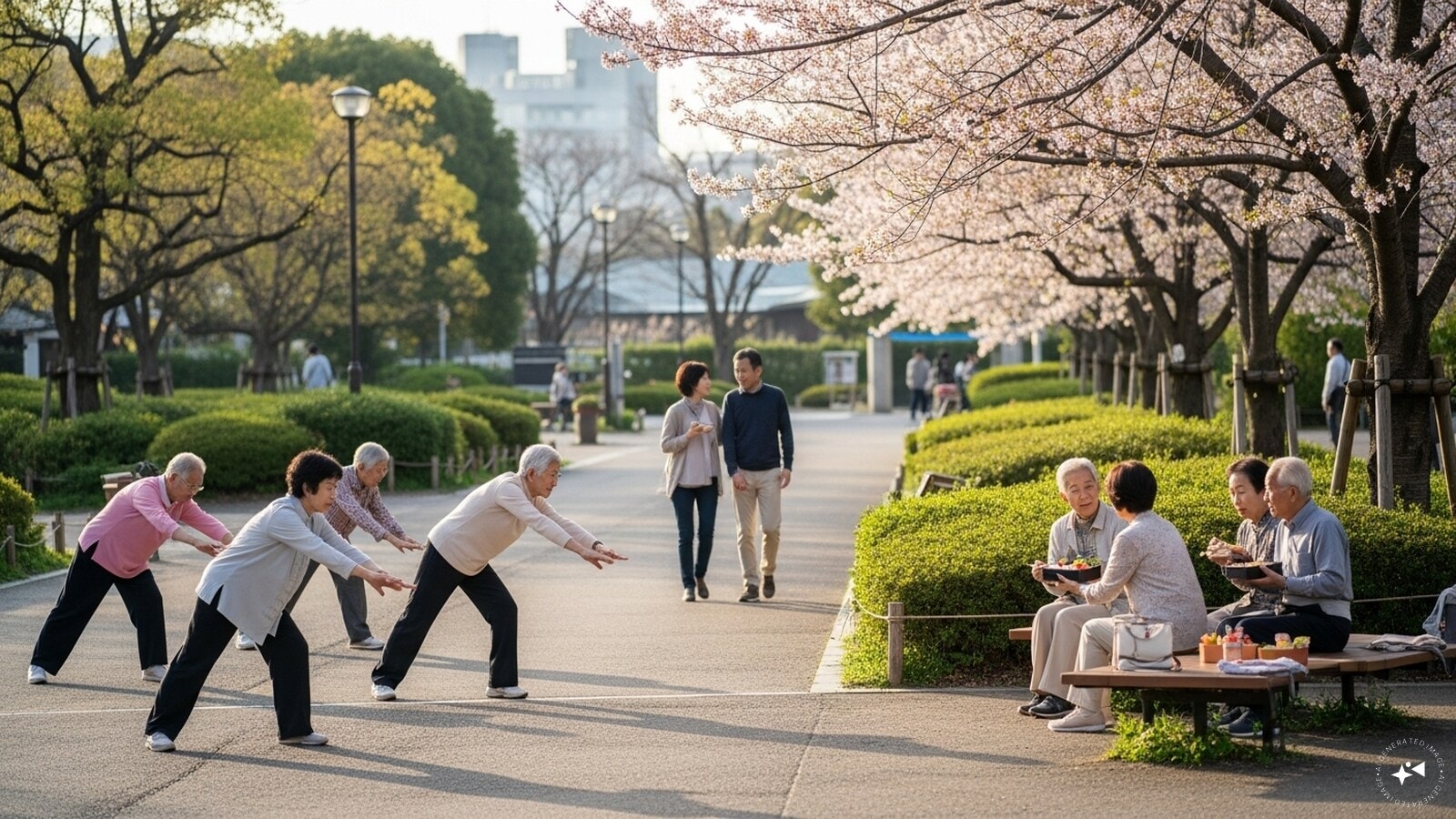
Since its introduction in 2008, the Metabo Law has had noticeable effects. Surveys suggest that obesity rates among Japan’s elderly population have stabilized. Local authorities report that citizens are more conscious of their health, discuss wellness more openly, and adopt healthier lifestyles. While comprehensive data on long-term success is limited, Japan’s obesity levels remain lower compared to many other developed nations. The law has helped embed prevention into everyday life, reinforcing the country’s reputation as one of the world’s longest-lived societies. (Image: AI-Generated)

Despite its positive intentions, the Metabo Law has not been free from criticism. When it was first introduced, some labeled it “over-intervention,” arguing that the government was intruding into personal choices. Others worried about the risk of stigmatizing individuals based on body shape. However, the majority of Japanese citizens accepted the law as a collective effort to improve public health. Rather than viewing it as restrictive, many saw it as a sign of care from the government, an initiative designed to help people live longer, healthier lives. (Image: AI-Generated)
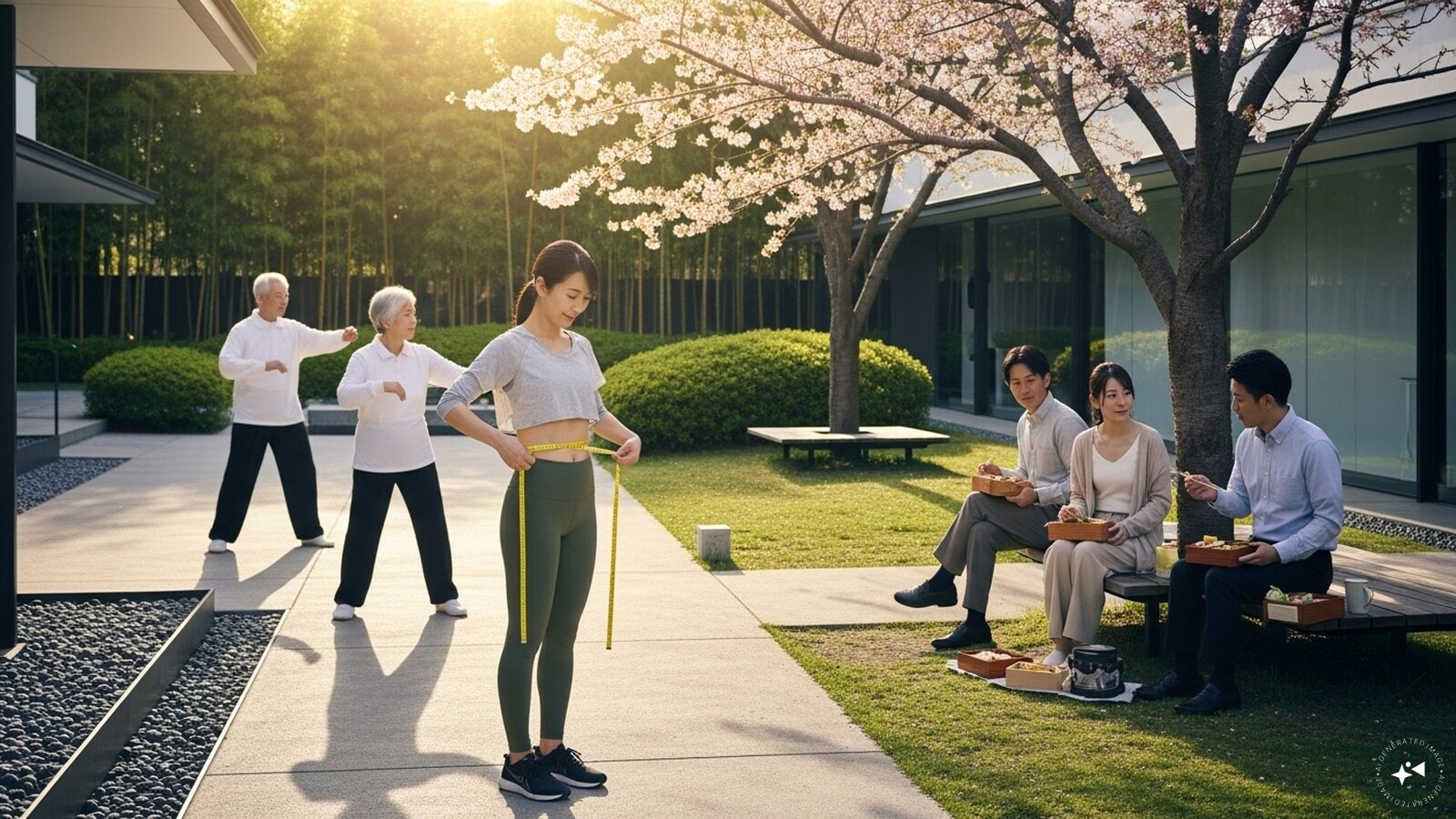
The Metabo Law reflects Japan’s cultural emphasis on prevention. Much like traditional Asian medicine, the focus is on addressing the root causes of illness rather than waiting for symptoms to worsen. By encouraging waistline monitoring, lifestyle changes, and workplace wellness, Japan has created a system where health is not just an individual responsibility but a shared societal goal. (Image: AI-Generated)
