


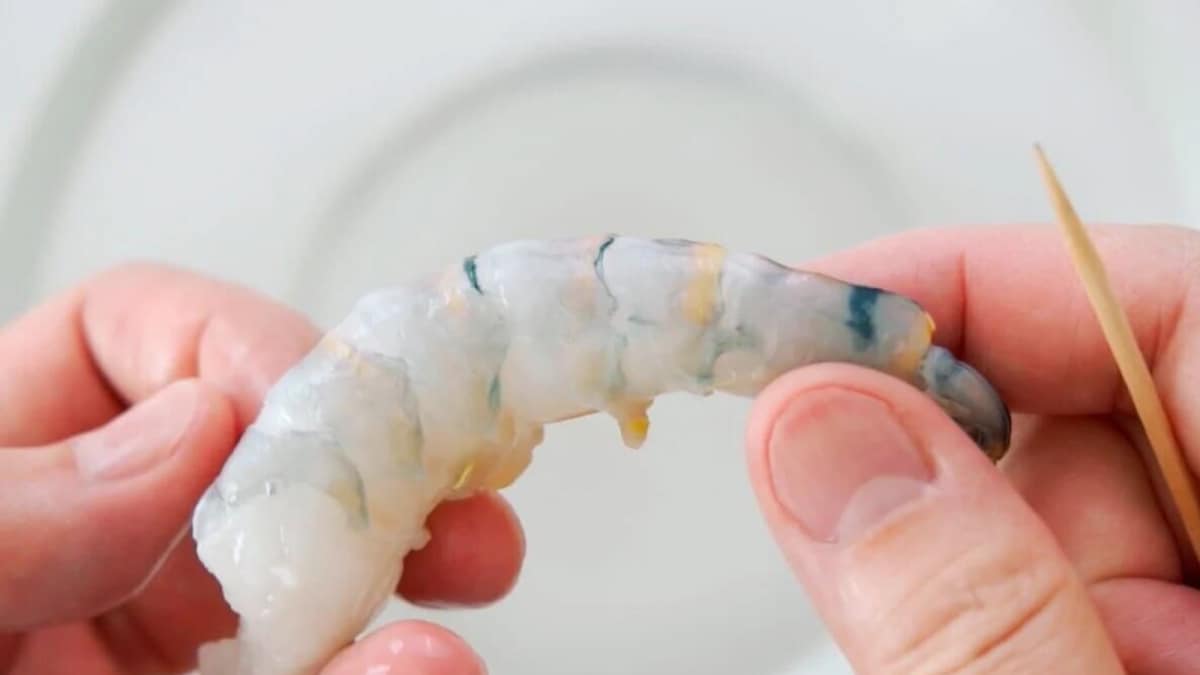
Shrimp is a favourite among seafood enthusiasts, loved for its delicate taste and flavour. However, whether dining out or cooking at home, one important step should never be overlooked: deveining. This involves removing the dark line that runs along the shrimp’s back. Often mistaken for a vein, this line is actually the shrimp’s digestive tract. But what happens if you cook shrimp without removing it? Are there any health implications? Let’s explore.

Is the Digestive Tract Important? Although commonly referred to as a vein, this black line is the shrimp’s digestive tract. It may contain undigested food, waste, and occasionally sand. Its colour can range from black to green, depending on what the shrimp has consumed. It may also contain minor toxins.

Cooking shrimp without removing the tract generally poses little immediate risk, as the heat will kill most bacteria. However, cleaning is crucial for taste, appearance, and even cooking quality. If left in place, it can affect how evenly the shrimp cooks and may cause breakage.

Digestive and Allergic Concerns: The digestive tract can impart a sandy or slightly bitter taste, affecting the overall flavour. For some, especially those with sensitive digestion or shellfish allergies, consuming this waste may cause digestive discomfort.
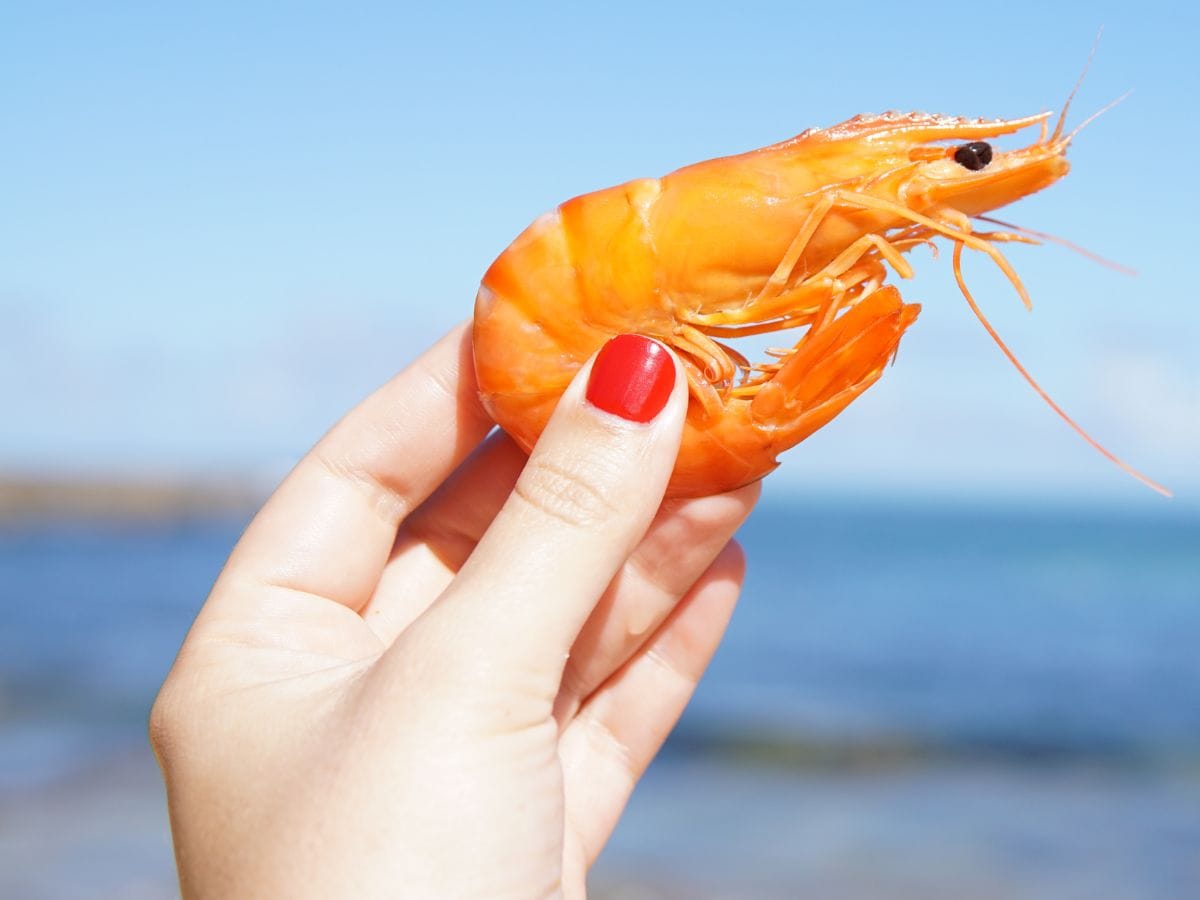
In rare cases, it can trigger allergic reactions such as hives, shortness of breath, throat tightness, or tingling sensations. For these reasons, removing the black line is recommended for both quality and safety. For larger shrimp, the abdominal blood vein should also be removed.
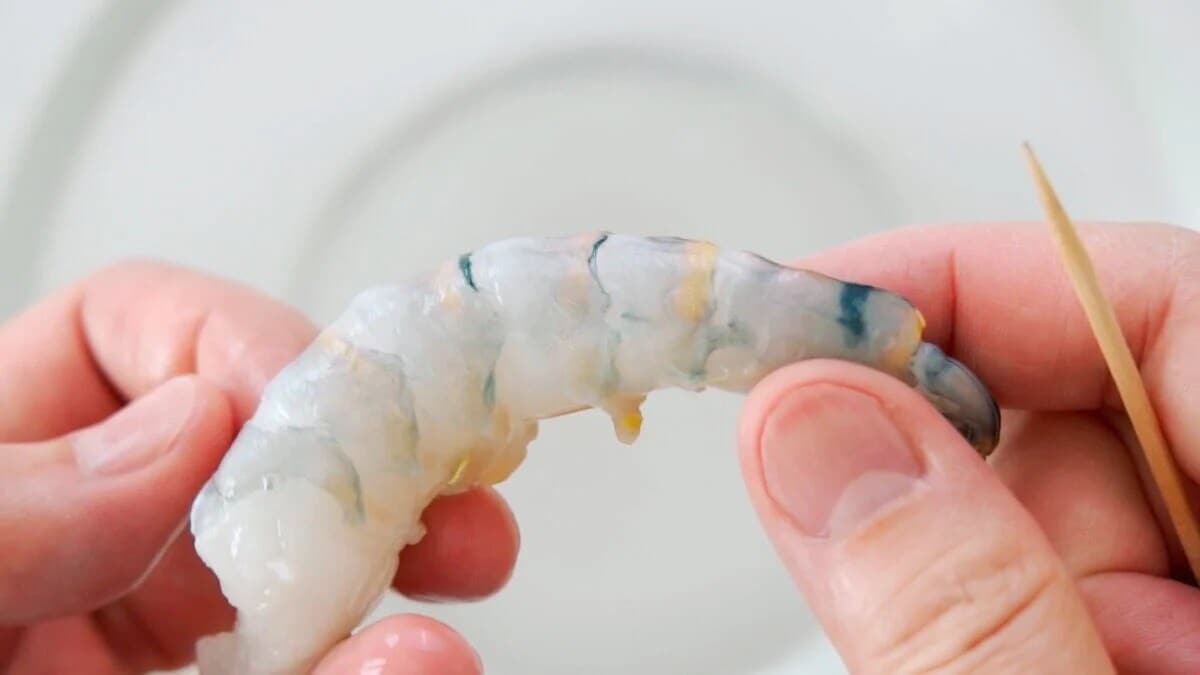
How to Devein Shrimp? Begin by removing the head and legs of the shrimp, but keep the tail intact for easier handling. Next, peel off the shell carefully to expose the flesh.

Using a sharp knife, make a shallow cut along the back of the shrimp to reveal the dark vein running through it. With the tip of the knife or a toothpick, gently lift and remove the vein.

Once done, rinse the shrimp thoroughly in cold water to remove any remaining residue. This will ensure the shrimp is clean, fresh, and ready for cooking.
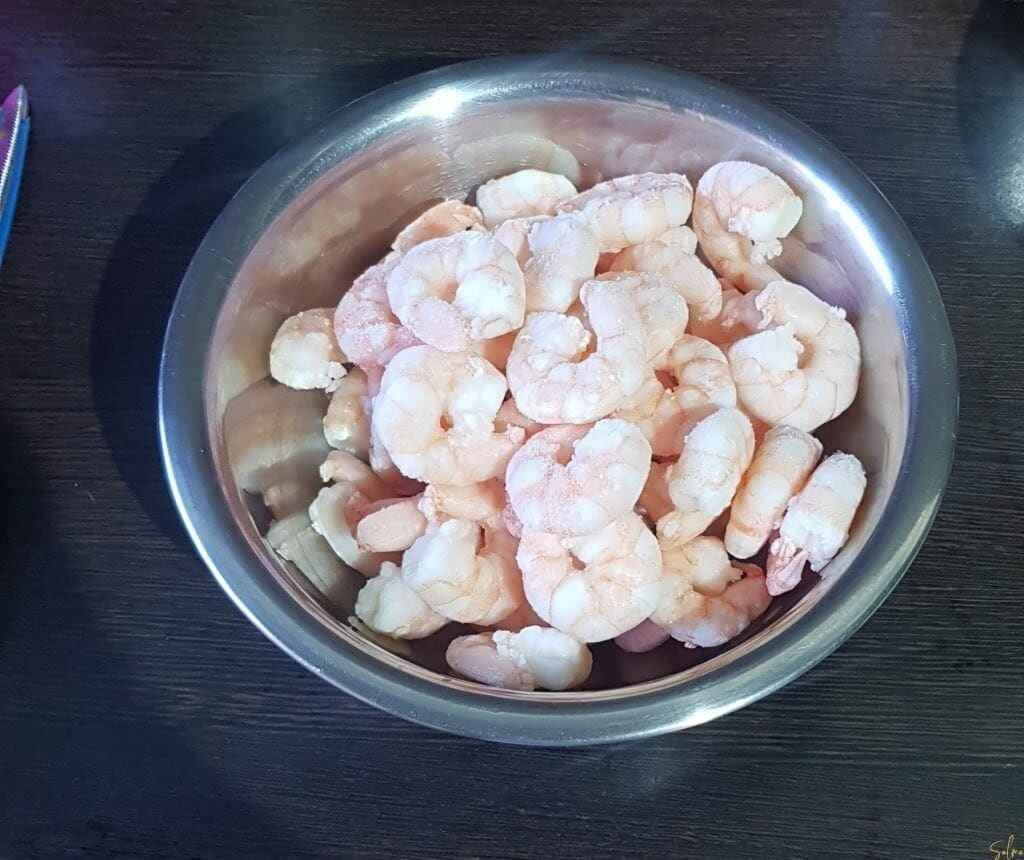
Nutritional Value: Shrimp is a low-fat seafood rich in healthy fats, particularly omega-3 fatty acids such as eicosapentaenoic acid (EPA) and docosahexaenoic acid (DHA). These nutrients support heart and brain health. Removing the vein does not affect the shrimp’s nutritional value.
