


Last Updated:
While most people are familiar with Hindi, Bengali, Tamil, or Marathi, many lesser-known languages thrive quietly across regions.
Tulu: Spoken mainly in coastal Karnataka and parts of Kerala, Tulu has a rich oral tradition of folk songs and ritual theatre like Bhoota Kola. Though it once had its own script, today it is mostly written in the Kannada script. (Image: Wikimedia Commons)
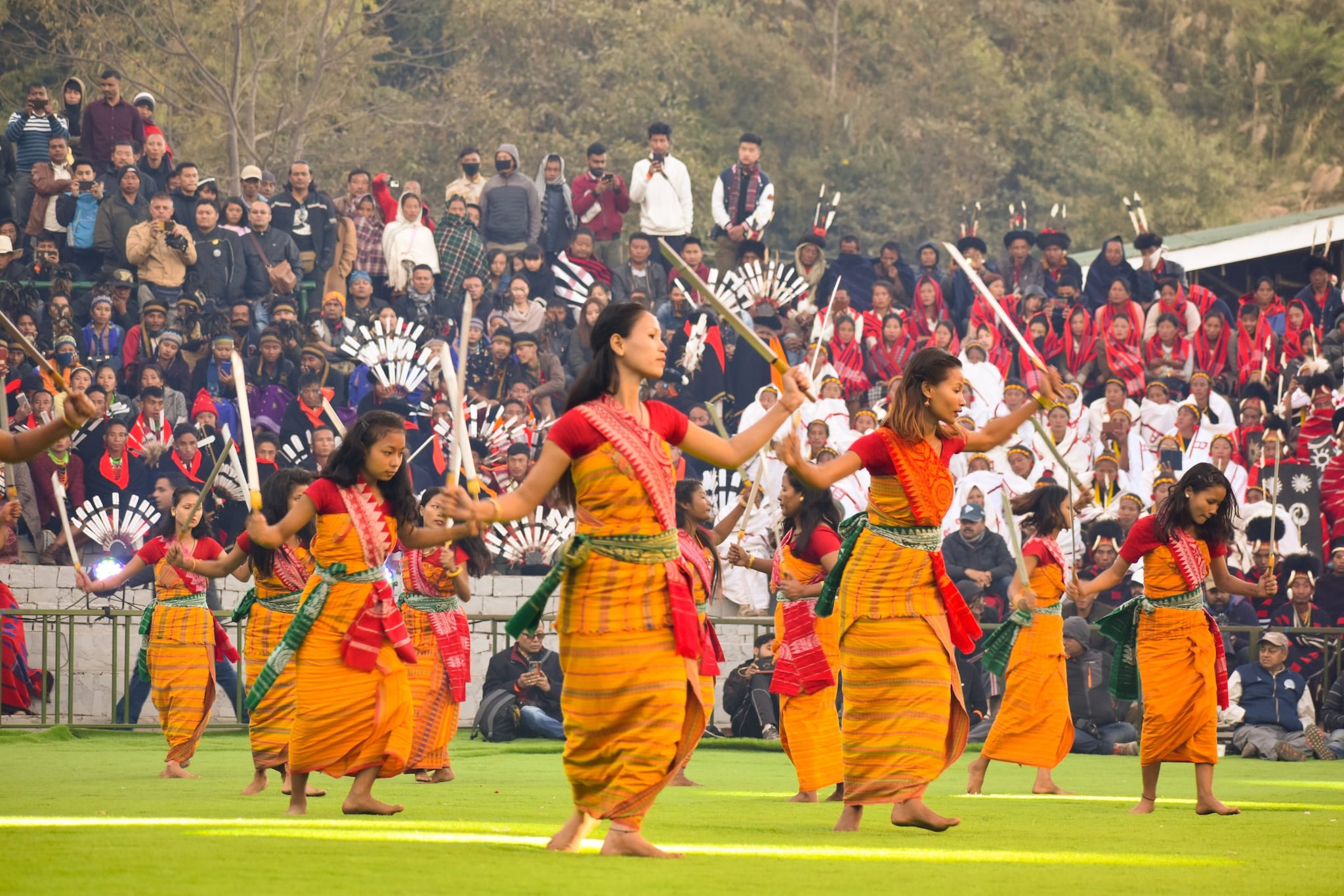
Bodo: Recognized in the Eighth Schedule of the Indian Constitution, Bodo is spoken primarily in Assam. It belongs to the Tibeto-Burman language family and has its own script called Deodhai. (Image: Wikimedia Commons)
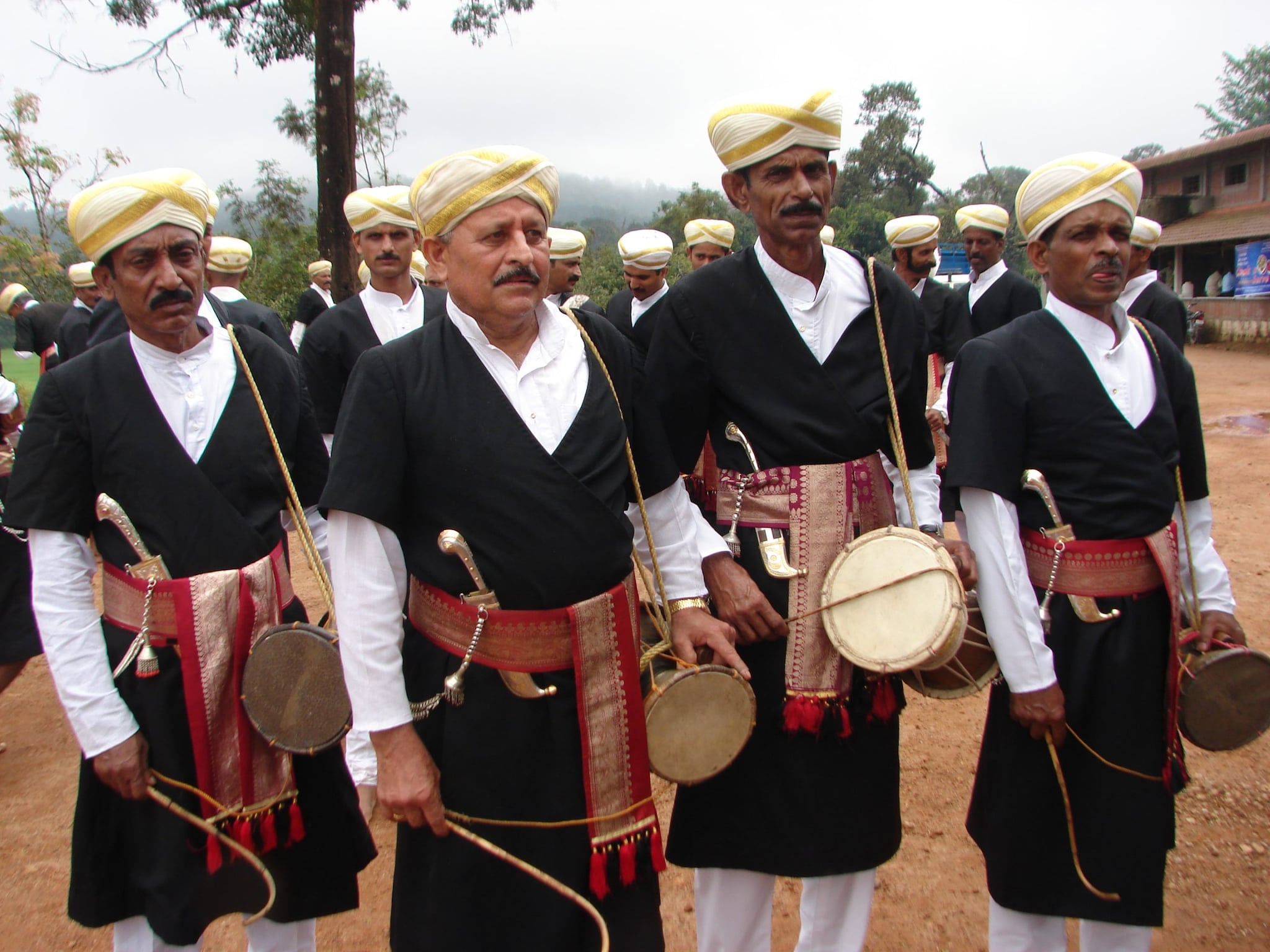
Kodava: Native to the Kodagu district of Karnataka, Kodava is spoken by the Kodava community. It has distinct cultural traditions and is typically written in the Kannada script. (Image: Wikimedia Commons)
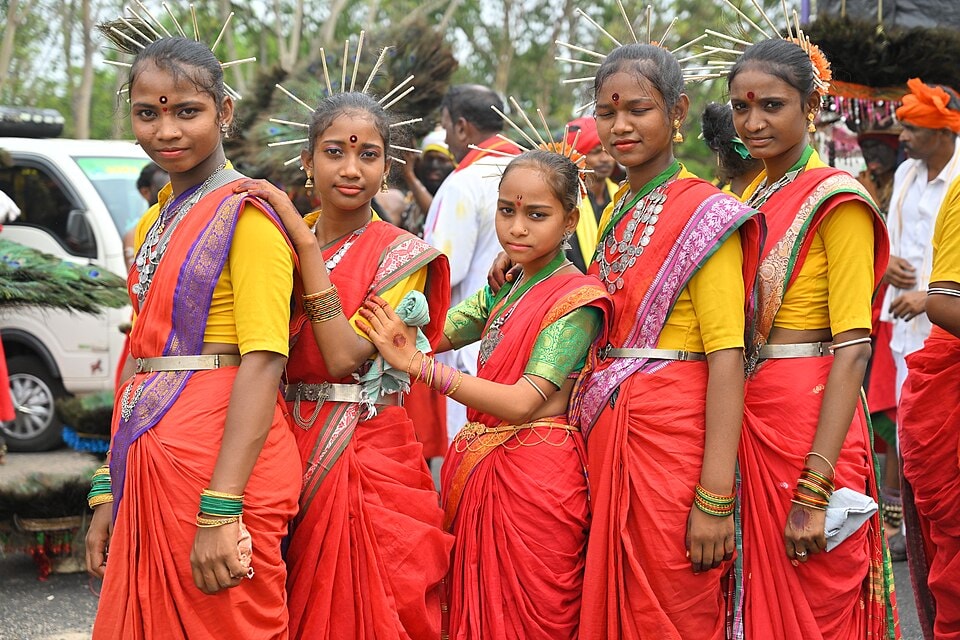
Gondi: Spoken by the Gond tribal communities across central India, Gondi is one of the largest tribal languages in India. Several scripts have been developed for it, though it is often written in regional scripts. (Image: Wikimedia Commons)
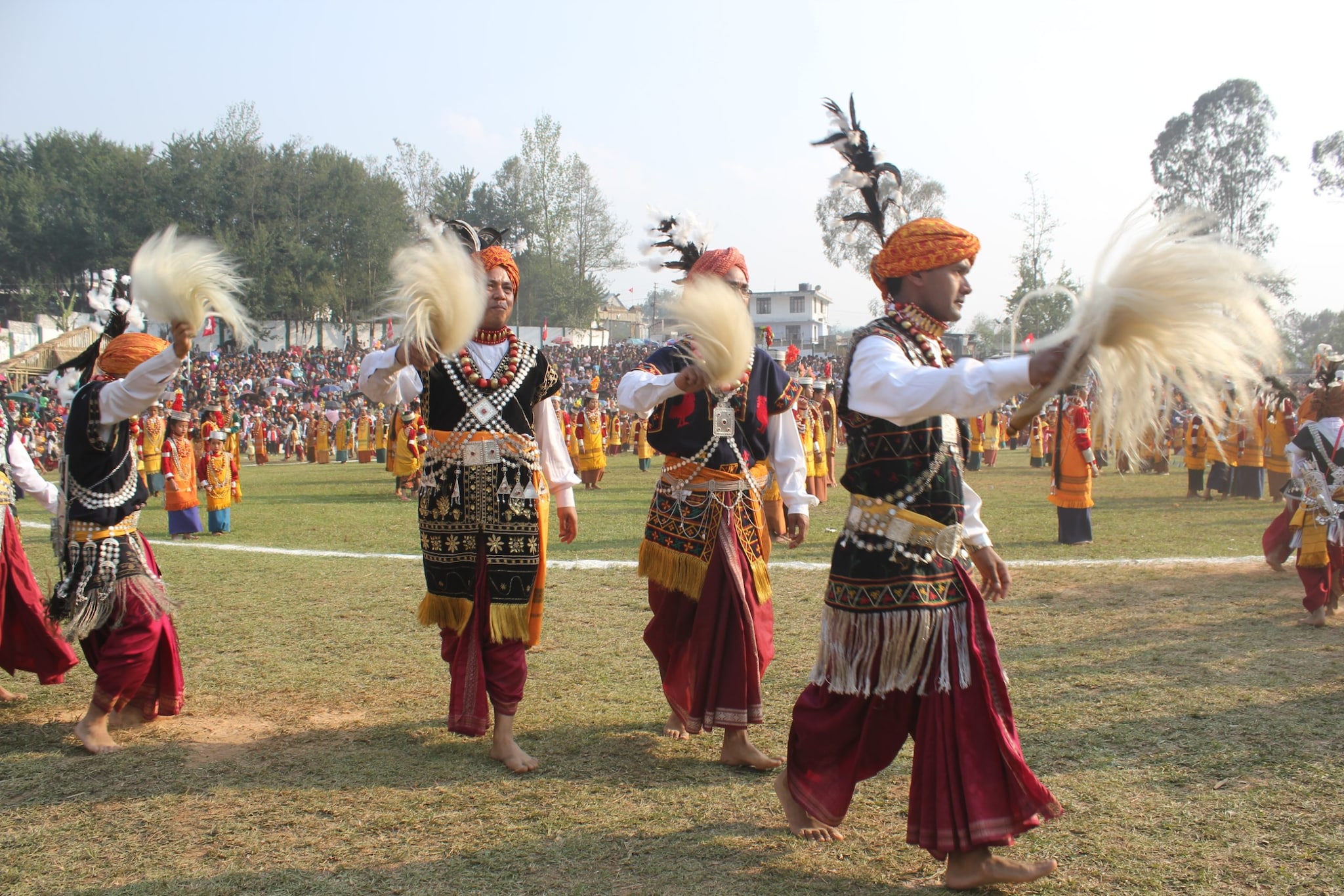
Khasi: Khasi is spoken in Meghalaya and belongs to the Austroasiatic language family — a rarity in India. It is written in the Roman script and has a strong oral storytelling tradition. (Image: Wikimedia Commons)
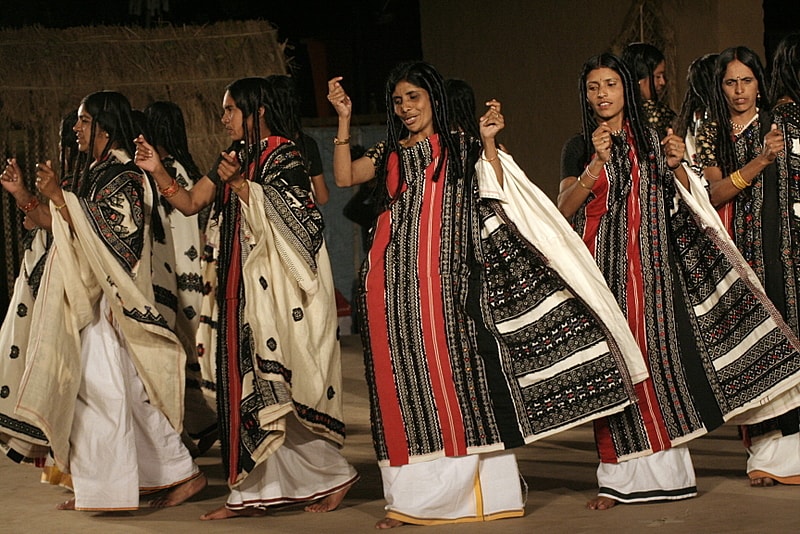
Toda: Spoken by the small Toda tribal community in the Nilgiri Hills of Tamil Nadu, Toda is an endangered Dravidian language with unique phonetics. (Image: Wikimedia Commons)
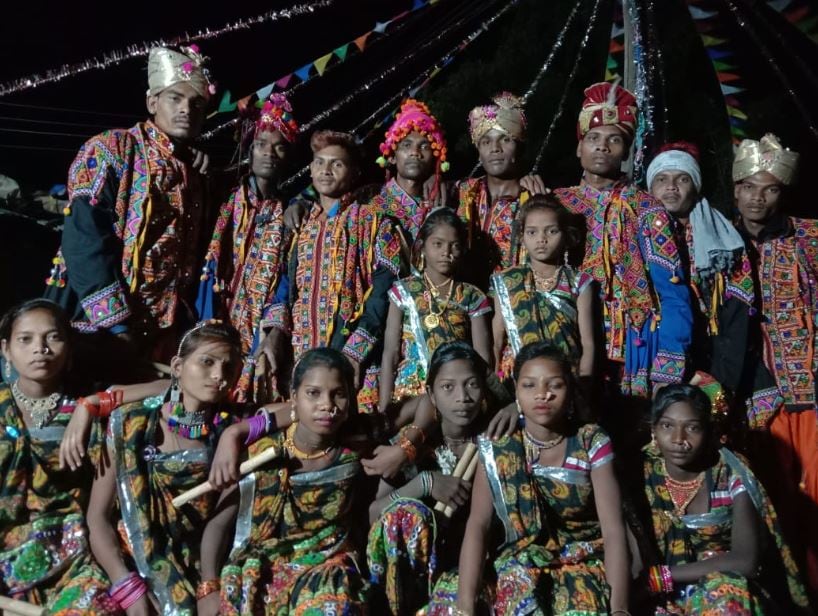
Nihali: One of India’s most mysterious languages, Nihali is spoken in parts of Maharashtra and Madhya Pradesh. Linguists consider it a language isolate, meaning it has no proven relation to other languages. (Image: Wikimedia Commons)
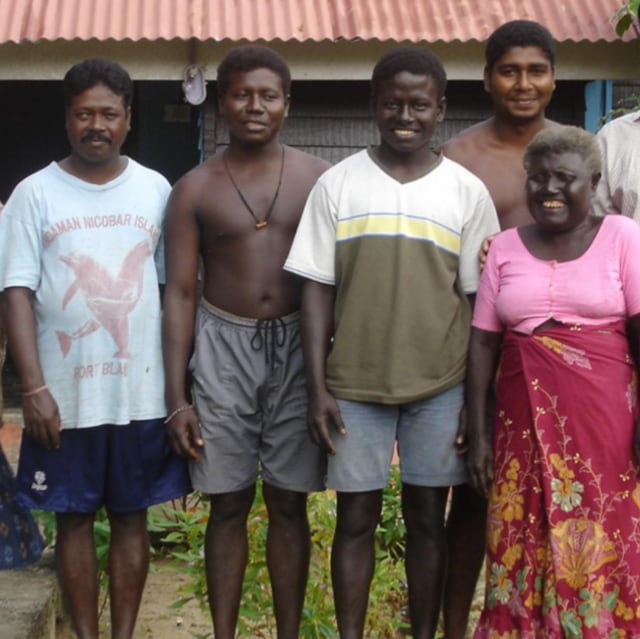
Great Andamanese: Spoken by the indigenous people of the Andaman Islands, Great Andamanese is critically endangered, with very few fluent speakers remaining. (Image: Wikimedia Commons)
