


Burans (Rhododendron): Found in the Himalayas, these crimson blooms are processed into juice. They are rich in phytochemicals that combat inflammation and aid heart health. Surprisingly, the petals contain unique antioxidants that help prevent skin aging and protect against UV-related cellular damage.

Karonda (Carissa Carandas): These tiny, pink-and-white berries are a staple in tribal diets. Extremely high in vitamin C and iron, they are a natural remedy for anemia. Their surprising benefit is their high pectin content, which significantly improves digestion and promotes gut health.

Phalsa (Indian Sherbet Berry): Growing on sprawling shrubs, these purple drupes are legendary for their cooling properties. Beyond hydration, they possess a low glycemic index, making them excellent for regulating blood sugar. They also act as a potent natural treatment for respiratory inflammation and fevers.

Jungli Jalebi (Kodukkapuli): Resembling the famous sweet in shape, these spiraled pods are packed with protein and dietary fiber. The fruit is surprisingly effective at treating intestinal ulcers and has antimicrobial properties that help keep the digestive tract clear of harmful, pathogenic bacteria.

Mahua (Madhuca Longifolia): Central India’s “Tree of Life” produces fleshy flowers and fruits that are high in energy and calcium. While famous for local spirits, the fruit’s secret benefit lies in its ability to improve lactation in nursing mothers and boost overall immunity.
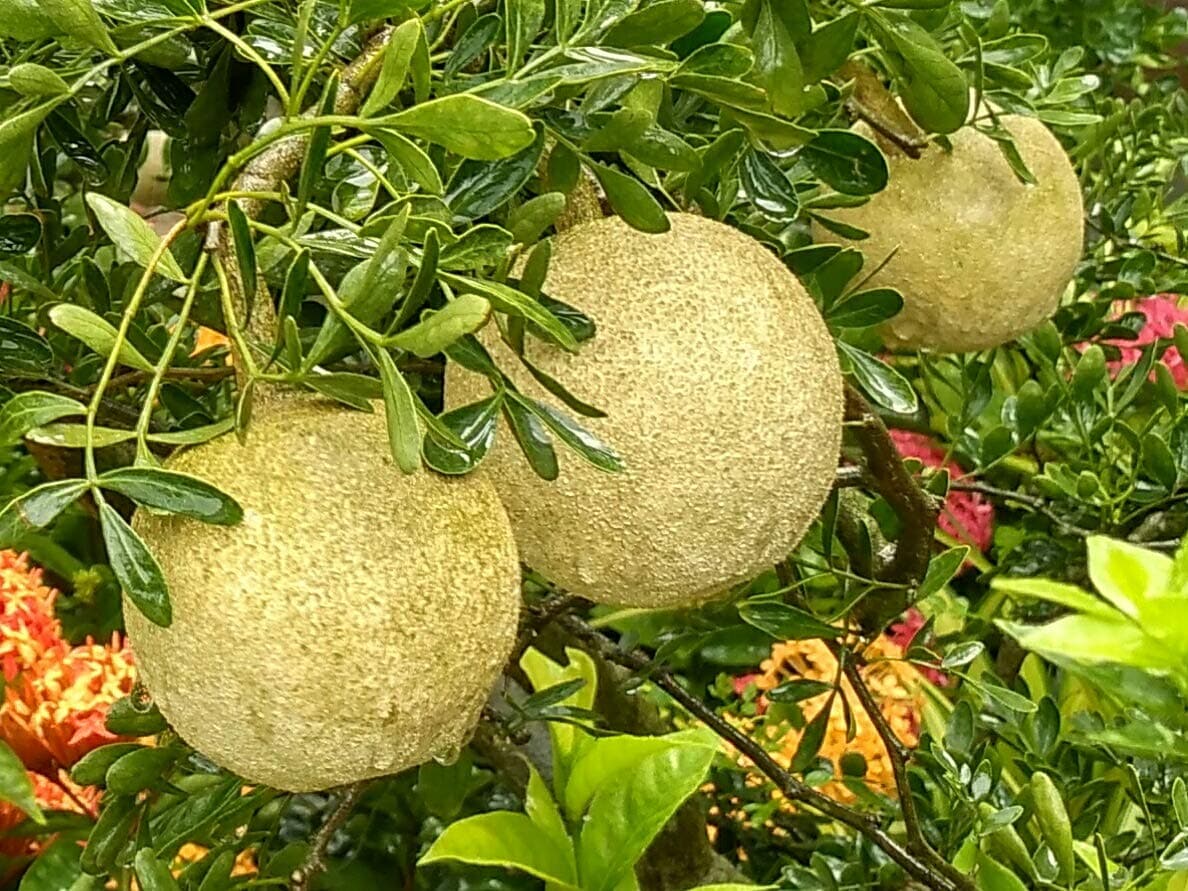
Wood Apple (Kaitha): Encased in a rock-hard shell, this pungent fruit is a powerhouse of oxalic and malic acids. It is a “miracle” for kidney health, helping to flush out toxins. Its high tannin content also makes it an effective natural remedy for chronic dysentery.

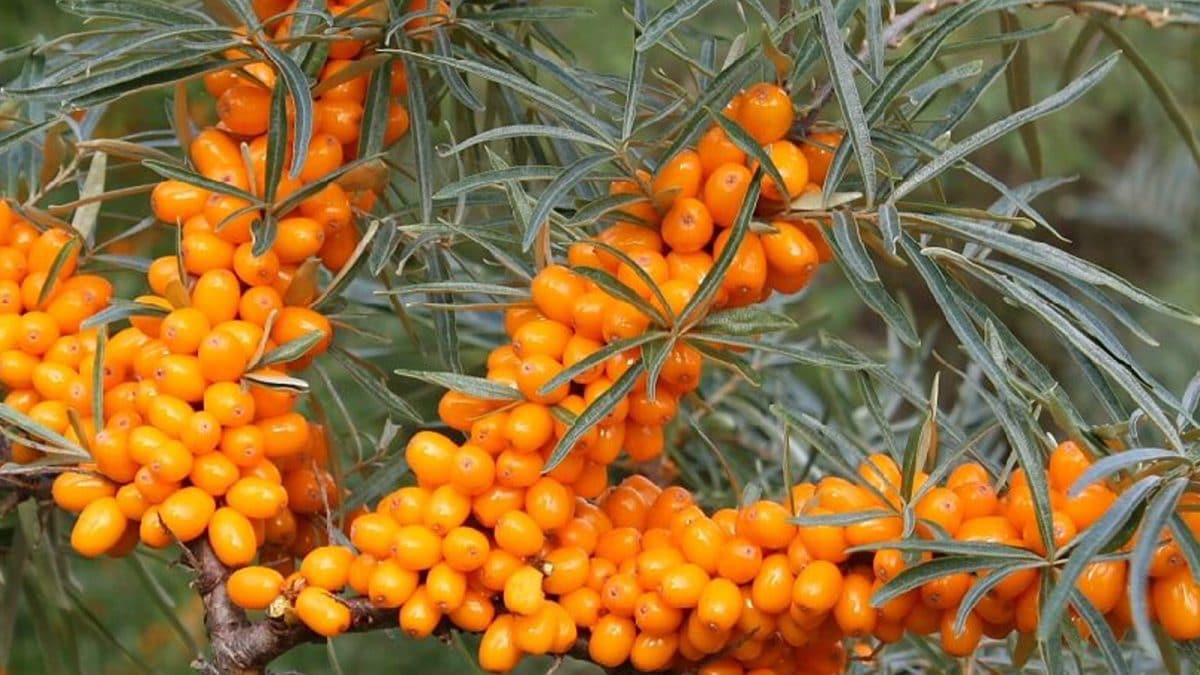
Sea Buckthorn (Leh Berry): Thriving in the cold deserts of Ladakh, these orange berries are one of the only plant sources of Omega-7 fatty acids. They are a “superfood” for skin regeneration and are used by locals to treat radiation damage and improve cardiovascular endurance.

Berberis (Kilmora): Commonly found in Uttarakhand, these tart blue berries are rich in berberine. This compound is a potent weapon against metabolic syndrome, helping to lower “bad” LDL cholesterol and improve insulin sensitivity, which is vital for preventing type 2 diabetes.
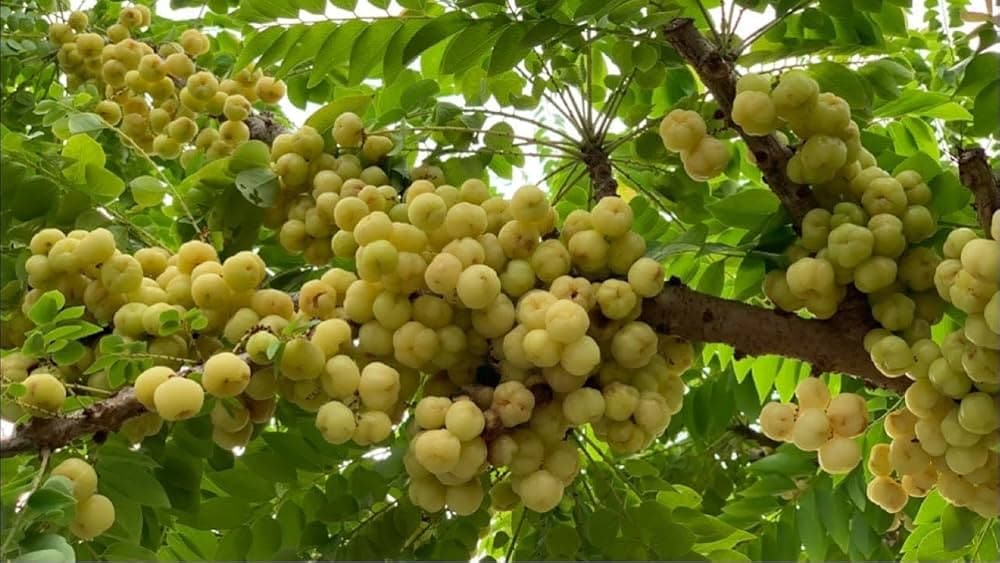
Star Gooseberry (Harfarauri): Often found in backyards and wild thickets, these ribbed, sour fruits are loaded with antioxidants and Vitamin C. They are surprisingly effective at purifying the blood and are traditionally used to strengthen the liver and improve overall vision and eye health.

Lasora (Indian Cherry): Common in arid regions, these sticky fruits are prized for their mucilaginous properties. This “sticky” nature makes them an incredible natural demulcent, coating the throat to soothe dry coughs and providing significant relief from joint pain and chronic internal inflammation.
