


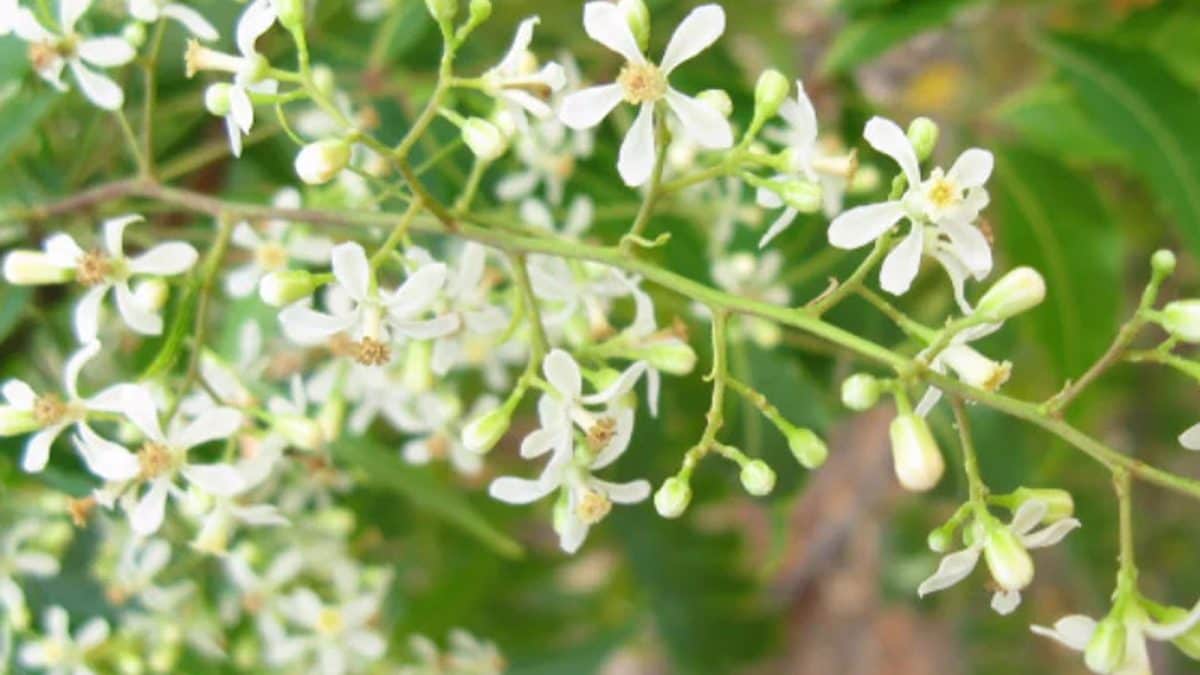
In India, spring (Vasant) is a fleeting bridge between the winter harvest and the searing summer heat. Today, many of these hyper-local blossoms and greens have faded from urban memory, leaving behind a rich, healthful heritage of seasonal foraging and ancestral wisdom.
Kachnar: Found across North India in early spring, these pink-to-purple buds are prized for their astringent properties. Usually sautéed into a dry sabzi or raita, they are believed to cleanse the blood.
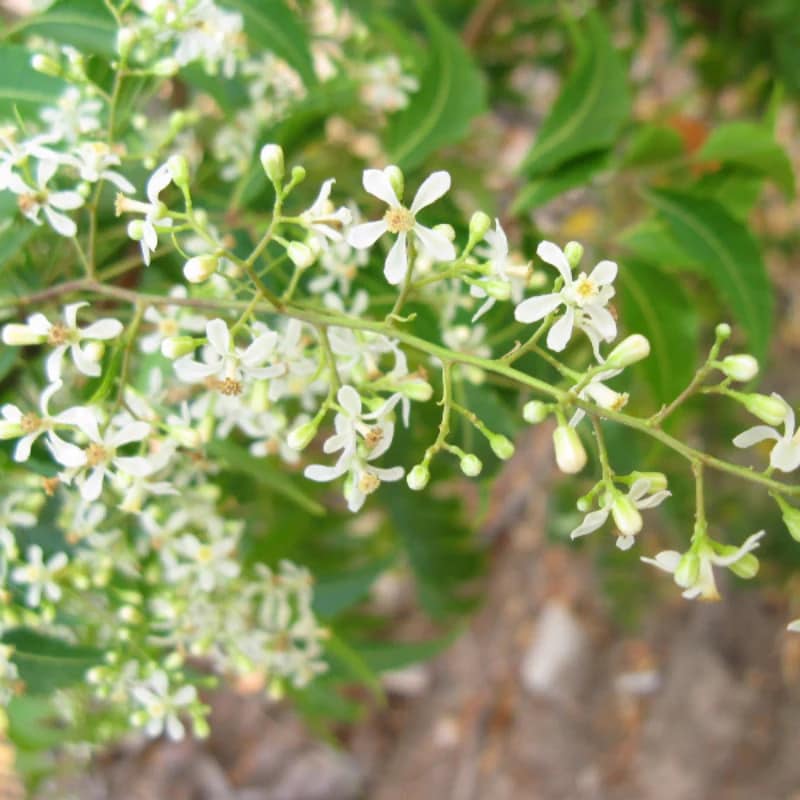
Neem Flowers: In South India, tiny white neem blossoms are harvested for Ugadi Pachadi. They offer a delicate bitterness that symbolizes life’s challenges and are historically used to eliminate seasonal parasites and toxins.
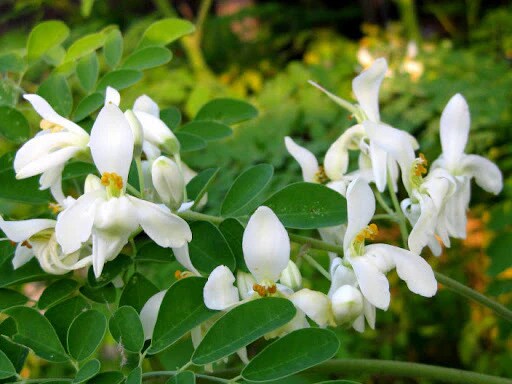
Moringa Flowers: While the pods are common, the delicate white flowers are a forgotten spring treat. Often fried into crispy pakoras or cooked with poppy seeds, they are incredibly rich in vitamins and antioxidants.
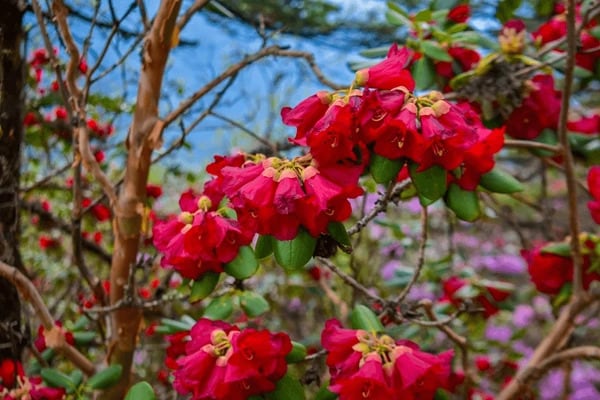
Burans: In the Himalayan foothills, the bright red blooms of the Rhododendron appear in late spring. These petals are used to make a refreshing, heart-healthy squash that acts as a natural cooling tonic.
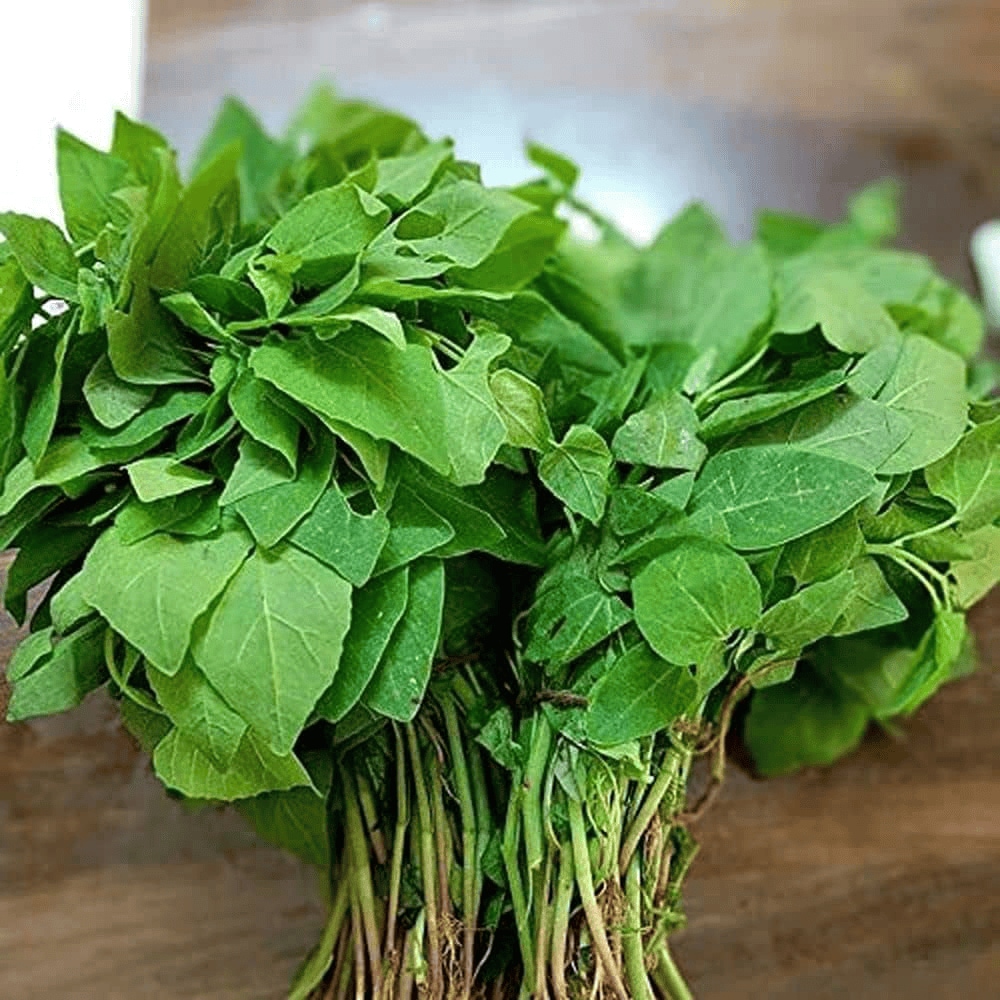
Bathua: As winter ends, the last of the wild Bathua greens are harvested. Often forgotten in favor of spinach, this earthy leaf is essential for its high fiber and mineral content during seasonal changes.
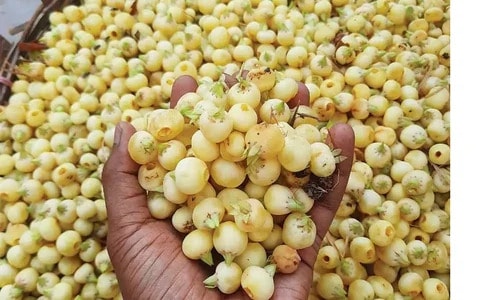
Mahua Flowers: In Central India’s tribal belts, these creamy, sweet blossoms are foraged as they fall from trees. Once dried, they provide a natural energy boost and are used in everything from porridges to traditional spirits.
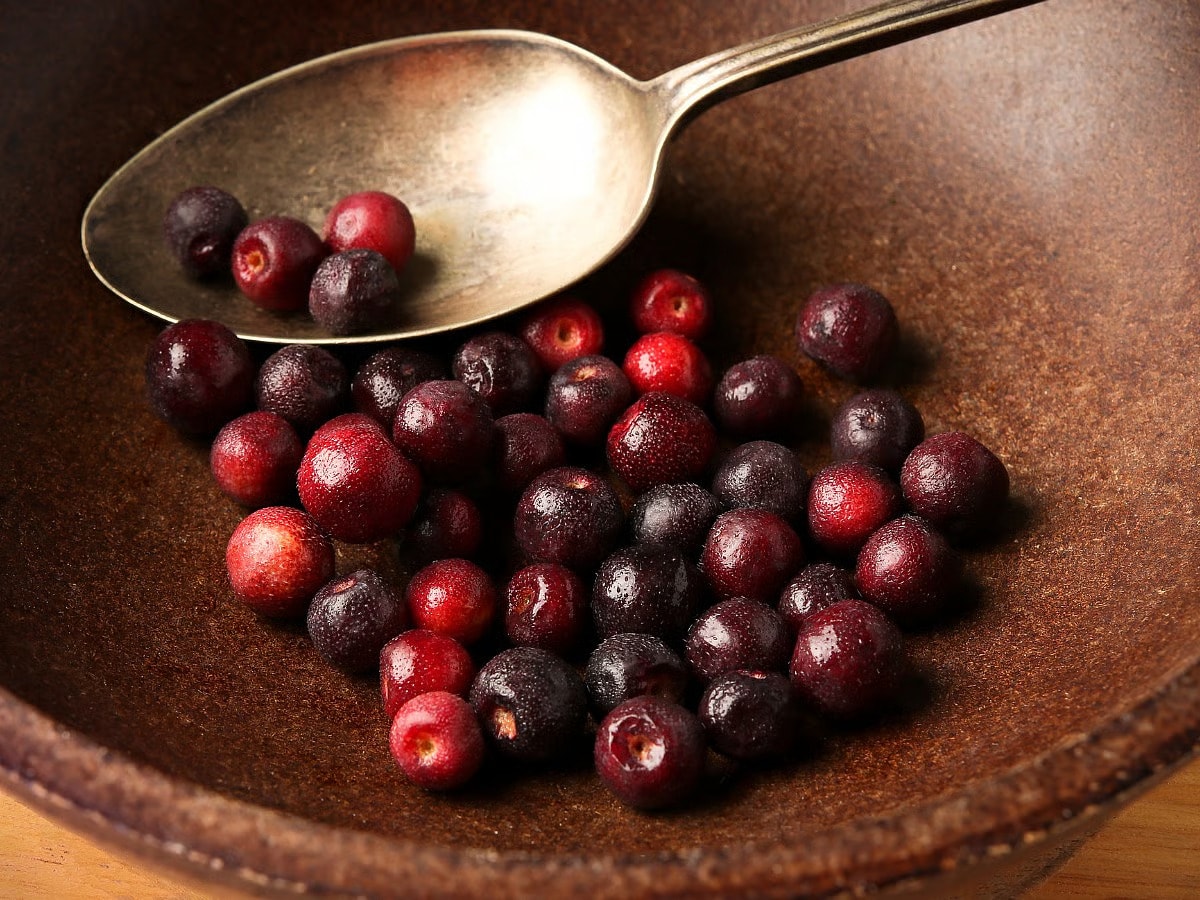
Phalsa: These tiny, dark purple berries appear briefly as spring turns to summer. They are a “forgotten” superfood, traditionally mashed into cooling drinks to regulate electrolytes and soothe the digestive system.
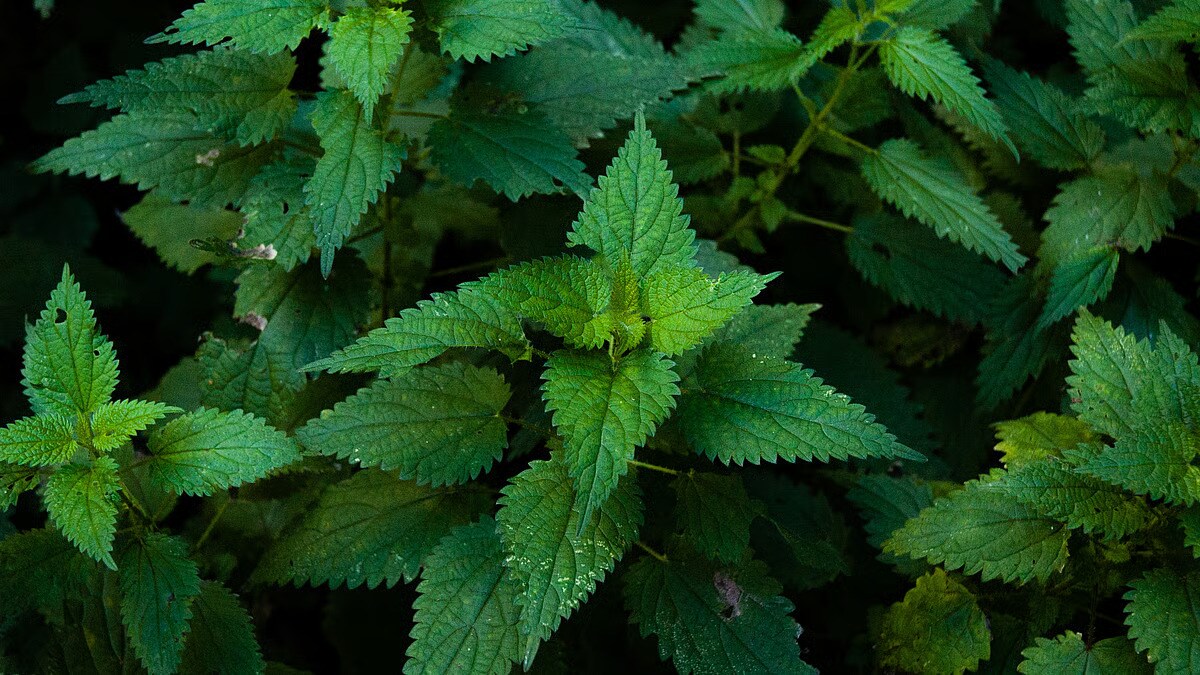
Bichu Buti: Growing wild in the mountains, young spring nettles are a nutritional powerhouse. Once the “sting” is cooked out, they yield a buttery green soup that has been used for centuries to boost vitality.
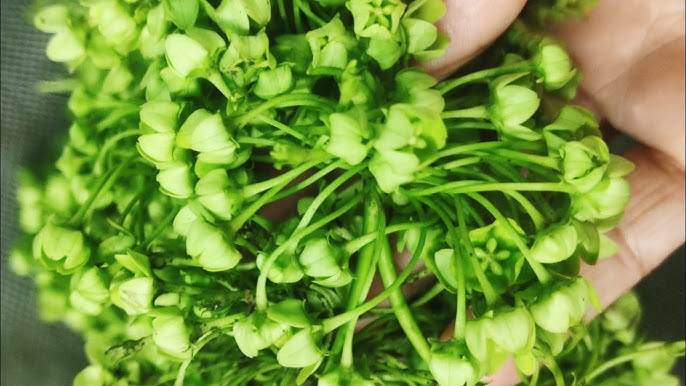
Juktiphool: A rare Bengali delicacy, these tiny green florets are used in the traditional bitter stew, Shukto. They are hard to find today but are celebrated for their medicinal and digestive benefits.
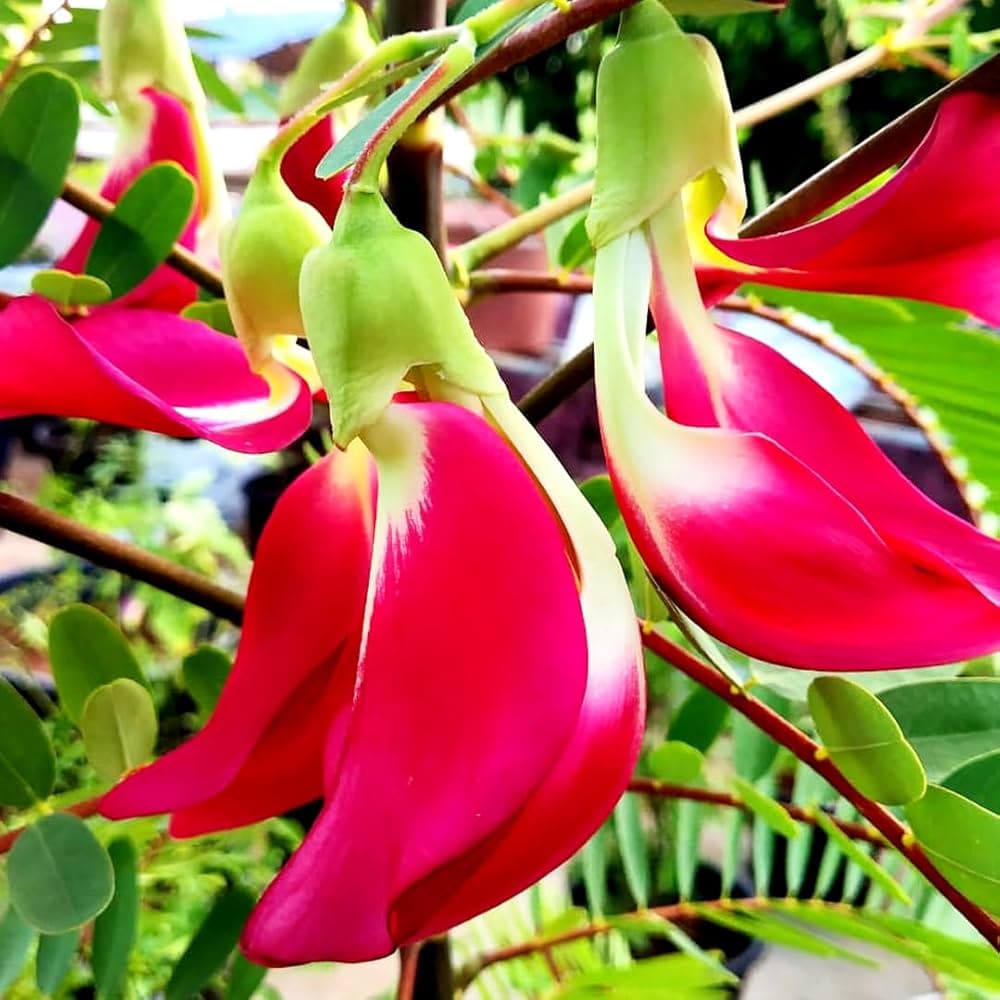
Agathi Poo: These large, crescent-shaped white flowers appear in early spring in the South. Usually bitter, they are carefully cleaned and stir-fried with coconut to help treat mouth ulcers and internal heat.
